


Overview
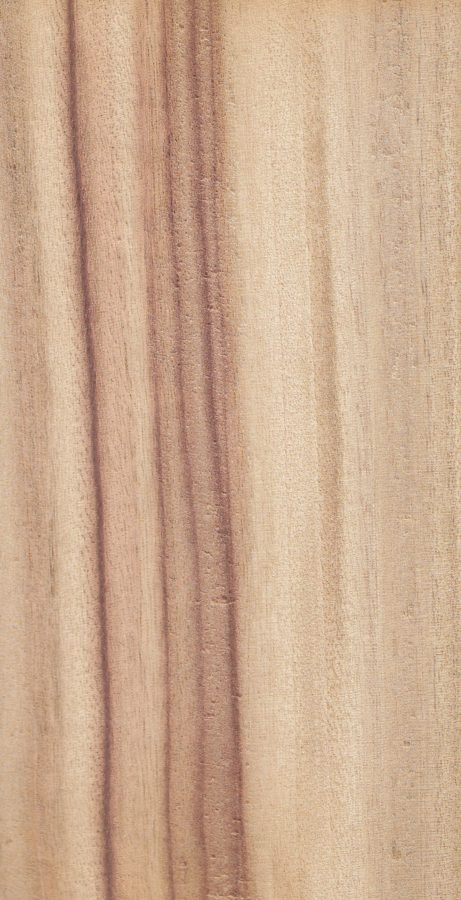
Camphor laurel is a large evergreen from East Asia best known for the aromatic oil in its leaves and wood. The timber is a light, lightly streaked brown and smells strongly of camphor, which is why it has long been used for chests and storage. In eastern Australia it is a weed, so locally milled camphor laurel is one of the few timbers that is both good to use and good to remove.
Pros
- Easy to shape and machine with minimal effort thanks to moderate density (Wood Database).
- Rated durable, with mixed resistance to insects.
- The aroma is distinctive and suits chests and drawer interiors.
- Burl and figured pieces are highly decorative.
- In Australia it is a noxious weed across Queensland and central to northern New South Wales (Wikipedia), so milling local trees is a sound sourcing story.
Cons
- Strong scent can irritate: Wood Database reports skin and respiratory irritation, headaches and asthma-like symptoms.
- Areas of interlocked grain may tear out.
- Rarely exported as lumber; most overseas trade is burl veneer, so US lumber availability is thin.
- Colour is variable, with grey and olive tones that some find drab.
Variants and subspecies
- Plain lumber: light brown with streaks; the standard.
- Burl: the most prized figure, sold mostly as veneer or slabs.
- Other "camphor" woods are sold under similar names; ask for the botanical name.
Working and finishing
Cuts, planes and sands easily. Watch interlocked areas. Glues and finishes well (Wood Database). Wear a dust mask and keep the shop ventilated, given the irritation reports.
Staining and finishing colour
Takes oil, shellac, lacquer and dye evenly in most boards; the pale sapwood and darker streaks mean you should test the stain on the same board.
Sustainability and handling
Not in the CITES Appendices (checked 2026-09 against the Appendices in force from 5 March 2026), though some related Cinnamomum species are listed as threatened by IUCN (Wood Database). GBIF reports Cinnamomum camphora as Least Concern (checked 2026-09), while Wood Database says the species is not on the Red List. The tree is a noxious weed in Queensland and northern New South Wales, and invasive in Florida (Wikipedia). The Lacey Act's 2008 amendment covers timber products (Wikipedia, Lacey Act), and the EU deforestation regulation applies to wood products from 30 December 2026 for large and medium operators.
Popular projects
Blanket and hope chests, wardrobe linings, cabinets, small boxes, turning and veneered panels.
Buying notes
Lumber, blanks and log sections appear mainly from sellers in places where the tree has been planted and harvested; one US seller listed it at about $8 per board foot in 2026-09. Prefer locally milled Australian or other regional stock over imports, and ask for the botanical name.
Typical projects
- blanket chests
- wardrobe linings
- cabinets
- turned objects
- veneered panels
- small boxes
Sources
Researched 2026-09-30. Prices, conservation status and CITES listings on this page are indicative and were checked on that date. They change: confirm them with your supplier, and with the relevant authority before importing or exporting.