


Overview
Kuri, Castanea crenata, is the Japanese chestnut, grown mainly for its nuts. As timber it is a minor wood outside Japan, and the sources I could open are thin on its properties, so this entry is short and does not give a Janka figure. Wikipedia's tansu article lists kuri among the woods used for Japanese chests, and Wikipedia's go equipment article says cheaper go bowls are made of chestnut. Choose it for traditional Japanese work where a brown, medium-weight hardwood suits.
Pros
- A recognised wood of Japanese furniture: kuri is on Wikipedia's list of tansu woods.
- Used for go bowls (cheaper than the premium options, per Wikipedia's go equipment article).
- Wikipedia describes the tree as blight-resistant, which keeps it common as a crop.
- Not under any CITES restriction I could find.
Cons
- No Janka, density or shrinkage figure from a source I could open, so do not assume it matches American or European chestnut.
- Rarely stocked outside Japan, and I found no US lumber price.
- Little woodworking data of any kind in the sources I could open.
Variants and subspecies
- Castanea crenata is the species covered here.
- Other chestnuts (American, European, Chinese) are different species; do not swap their properties for this one.
Working and finishing
I found no machining, gluing or finishing data for C. crenata. Treat it as a medium-density hardwood and test cuts, glue joints and finishes on offcuts before committing to a project.
Staining and finishing colour
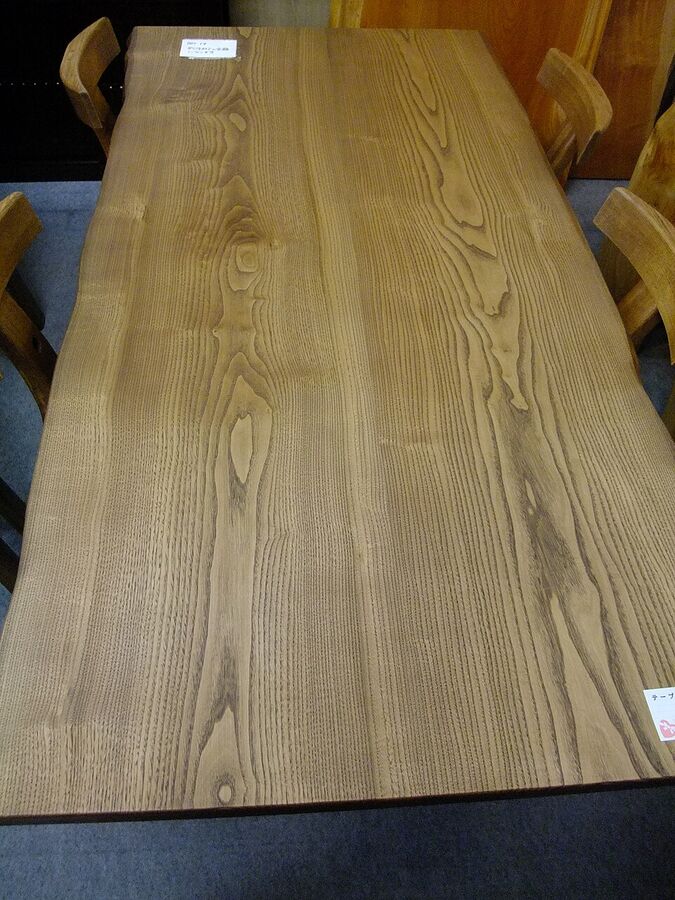
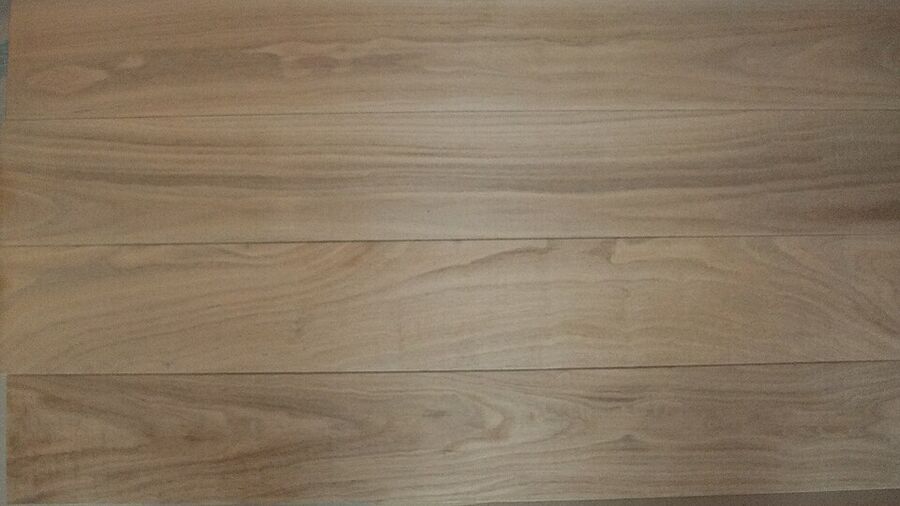
There is no species-specific stain data in the sources I opened. The photographs show a brown wood with visible grain. Test stain on offcuts before committing.
Sustainability and handling
Wikipedia lists Castanea crenata as Least Concern. I searched the Species+ database on 2026-09-30 and found no CITES listing. Imports into the US are covered by the Lacey Act, which since 2008 extends to timber and bars trade in plants taken in violation of law, including foreign law. EU buyers fall under the EU deforestation regulation for wood and furniture, from 30 December 2026 for large and medium operators. I found no sourced toxicity data; extract the dust as for any wood.
Popular projects
Tansu chests, tables, flooring and go bowls. The photographed table and flooring show it is sold as finished furniture and boards in Japan.
Buying notes
Expect to deal with Japanese importers, not US lumberyards. Ask for the Latin name so you are not sold American or European chestnut, and ask for kiln-dried stock.
Typical projects
- tansu
- tables
- go bowls
- flooring
More pictures

Sources
Researched 2026-09-30. Prices, conservation status and CITES listings on this page are indicative and were checked on that date. They change: confirm them with your supplier, and with the relevant authority before importing or exporting.