


Overview
Nyatoh is the trade name for a handful of Sapotaceae timbers from the genera Palaquium and Payena: pinkish to reddish-brown woods with a fine, even texture and moderate hardness. In Southeast Asia it is a utility timber for furniture, joinery and plywood. It is little seen in the US, so you are most likely to meet it inside imported furniture.
Pros
- Moderate hardness (1,070 lbf) at moderate weight (620 kg/m3).
- Straight to shallowly interlocked grain with a fairly fine texture.
- Those species without silica work fairly easily (Wood Database).
- Pleasant pink-brown colour that suits furniture.
Cons
- Non-durable and susceptible to insect attack; indoor use only.
- Some species contain enough silica to dull cutting edges quickly.
- Gum builds up on tools, and a sour smell comes off the wood when worked.
- Irritates the mucous membranes (Wood Database).
- Rarely sold in the US, and hard to identify by species.
Variants and subspecies
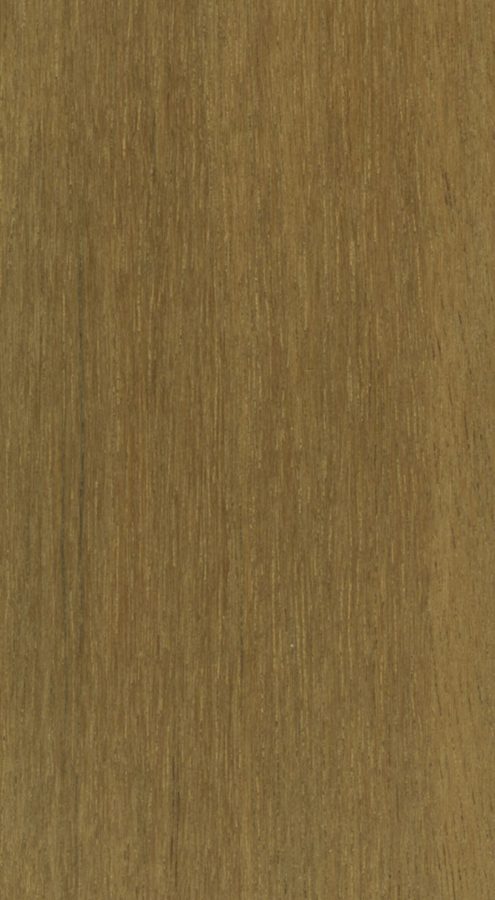
Two closely related genera, Palaquium and Payena, are sold together; Wood Database treats them as one wood with very similar characteristics, and the figures above are not for a single species. Colour and density vary by species and lot. The Cirad atlas plate used for the photo groups Madhuca with Palaquium in the same nyatoh class, so expect some mixing of Sapotaceae genera in a lot.
Working and finishing
Species without silica work fairly easily with hand and machine tools. Those with high silica dull edges rapidly, so use carbide and keep it sharp. Clean gum from cutters. Expect a sour odour while cutting. Test a glue joint first, as gum can interfere.
Staining and finishing colour
The natural pink-brown tone is usually enough, and I found no species-specific staining guidance. Reddish-brown gum deposits occur in the pores (Wood Database), so sample the finish first.
Sustainability and handling
Not listed in the CITES Appendices (Cirad Tropix sheet; statuses checked 2026-09). Wood Database says a number of Palaquium species are on the IUCN Red List, mostly Vulnerable, because of a decline in range and exploitation. Wikipedia pages citing IUCN give a mix: P. gutta Near Threatened, P. obovatum Least Concern. I could not open the Red List itself, so the badge here follows Wood Database. Lacey Act and EUDR duties were not researched for this entry; ask the supplier for species and legality documents. Working it can irritate mucous membranes, so extract dust.
Popular projects
Furniture, interior joinery, and plywood (the uses Wood Database lists).
Buying notes
You will rarely see nyatoh as lumber in the US and I found no retail list price. If it is on offer, ask which genus and species it is, and whether it is certified. Use it indoors only.
Typical projects
- furniture
- interior joinery
- plywood
Sources
Researched 2026-09-30. Prices, conservation status and CITES listings on this page are indicative and were checked on that date. They change: confirm them with your supplier, and with the relevant authority before importing or exporting.