

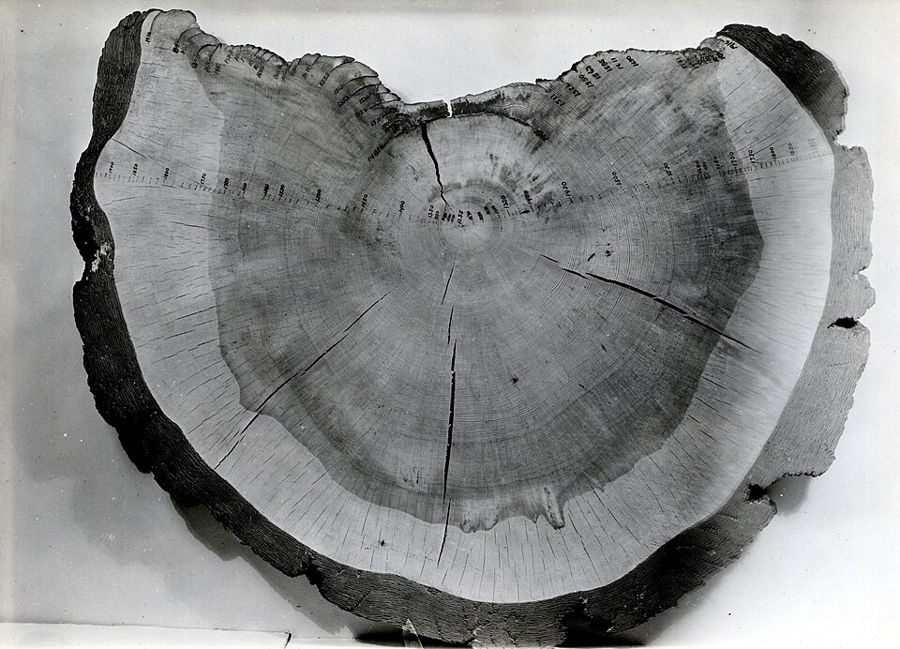

Overview
Ponderosa is the main western pine for millwork, cabinet stock and "pine" boards from home centres. It is a yellow pine by botany but light and soft like the white pines, with a cream-to-orange look and fewer knots than lodgepole. Choose it for paint-grade cabinets, shelving and rustic furniture on a budget.
Pros
- Works well with hand and machine tools; glues and finishes well (Wood Database).
- Wide, relatively knot-free boards are common; the major western cabinet and moulding pine.
- Light (about 450 kg/m3) and comparatively cheap.
- Stable and consistent when properly kiln-dried.
Cons
- Soft (Janka 460 lbf), so it dents easily.
- Heartwood has only moderate to low decay resistance (Wood Database).
- Stains unevenly, and resin pockets can ooze.
- Often sold mixed with lodgepole, so grain and quality vary.
Variants and subspecies
- PP/LP: trade stamp for ponderosa and Lodgepole pine sold mixed together (Wood Database).
- A soft white pine of similar weight is Western white pine.
- Knotty grades: see Knotty pine.
Working and finishing
A friendly wood: planes, routs and sands cleanly with sharp tools. Pre-drill near edges. Wipe pitch pockets with solvent before finishing and seal them with shellac to stop bleed-through. Glue joints hold well. It is easy to mill from rough stock but needs proper drying to avoid twist.
Staining and finishing colour
Pine's contrasty rings blotch with pigment stains: pre-condition, or use a gel stain or toned finish. Natural oil or clear coats give a warm yellow that darkens. Heartwood and sapwood take stain differently, so expect colour variation across a wide board unless dyed.
Sustainability and handling
Not CITES-listed (Wood Database; checked 2026-09-30); IUCN Least Concern as of 2026-09-30. The Wood Database reports that working with pine has caused allergic skin reactions and asthma-like symptoms in some people. Wear a dust mask, and note that resin can gum up blades and sandpaper.
Popular projects
Painted and clear cabinet boxes and doors, built-in shelving, interior trim, rustic and knotty-pine furniture, and mouldings. Light weight makes it a practical choice for large panels and doors.
Buying notes
Sold as boards and shop-grade stock across the western US, often labelled just "pine". No species-specific price listing was opened for this guide; expect pricing in line with other common softwoods such as white pine (listed at $3.75 per bf at thewoodyard.com, Sept 2026). Choose kiln-dried, straight stock and check the end grain for the lodgepole mix if you need clear wide boards.
Typical projects
- cabinets and doors
- interior trim and mouldings
- bookshelves
- knotty-pine panelling
- painted furniture
Sources
Researched 2026-09-30. Prices, conservation status and CITES listings on this page are indicative and were checked on that date. They change: confirm them with your supplier, and with the relevant authority before importing or exporting.