

Appalachian Post-and-Rung
History
Ladder-back chairs were built along the eastern seaboard from colonial times, and the tradition became especially strong through the Southern Appalachians — a region running roughly from Georgia north to Maryland and taking in the Carolinas, Tennessee, Kentucky, Virginia and West Virginia — where mountain chairmakers built settin' chairs for their neighbors for generations. England had its own parallel: Herefordshire chairmaker Philip Clissett worked in much the same post-and-rung manner using local ash and elm. The craft found a second life starting in 1978, when Jennie Alexander's book Make a Chair from a Tree set down the greenwood method for a new generation of makers, among them Brian Boggs.
Elements
The construction is the whole idea: round posts and rungs are riven (split, not sawn) from a green log along the grain, then shaped with a drawknife or spokeshave, which leaves them thin, light and strong. The joint itself needs no glue at all: rung tenons are dried hard while the posts are left wetter, and as the posts dry around them they shrink tight and lock the rungs permanently in place. The resulting chair is tall, open and light, with the front posts shorter than the back, the seat wider at front than back, and rungs bored into the posts at staggered heights so mortises on adjoining faces never meet. Thin, bent slats form a ladder-like back, and a woven seat of hickory bark, white-oak splint, rush or similar material takes the place of a solid board; decoration here amounts to little more than good proportion and the pattern of the weave.
Leaders in this style: historical designers and makers whose work inspired it (inspired by, not reproduced):
Designs
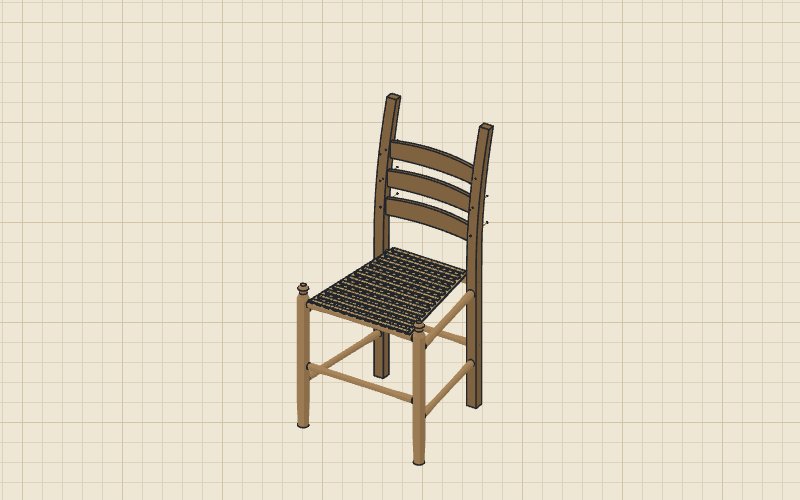
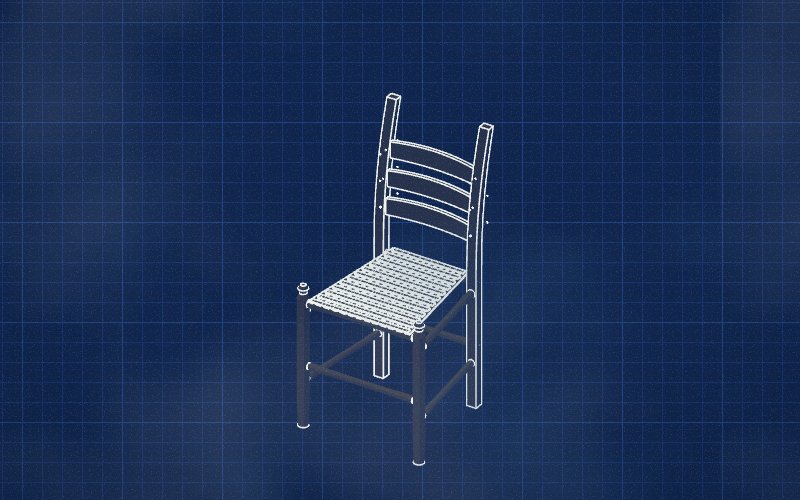
Appalachian Ladder-Back Side Chair
17.2 × 18.2 × 35.8 in (438 × 462 × 910 mm)
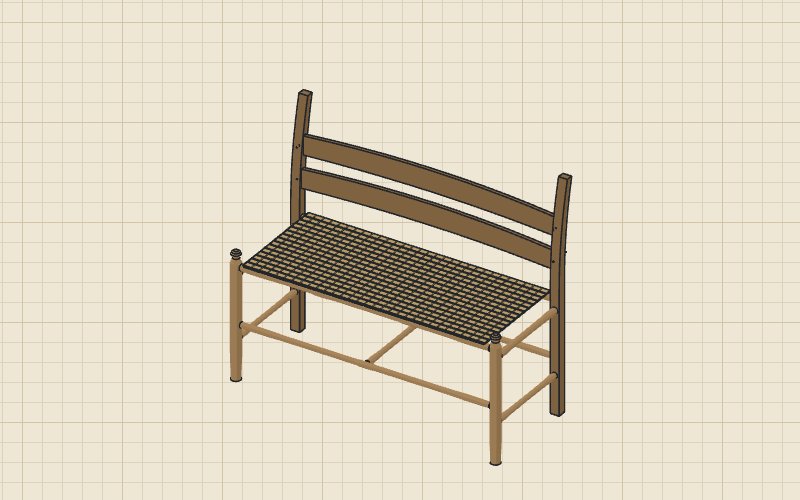
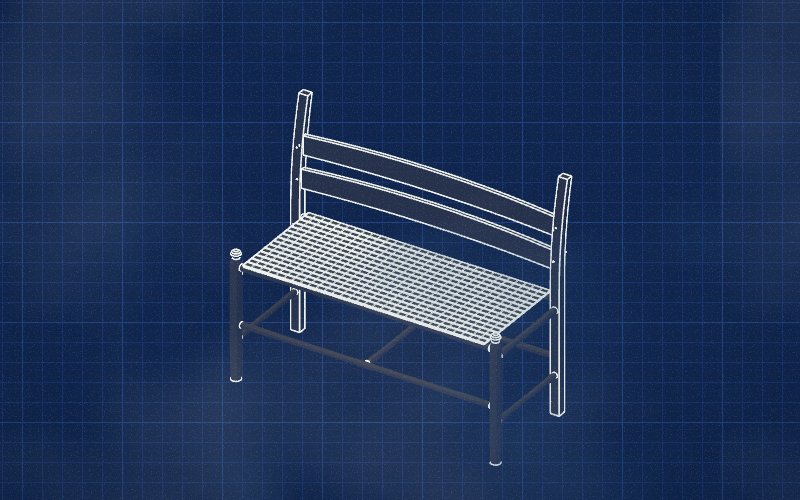
Appalachian Post-and-Rung Bench
40.9 × 18.0 × 34.3 in (1040 × 456 × 870 mm)
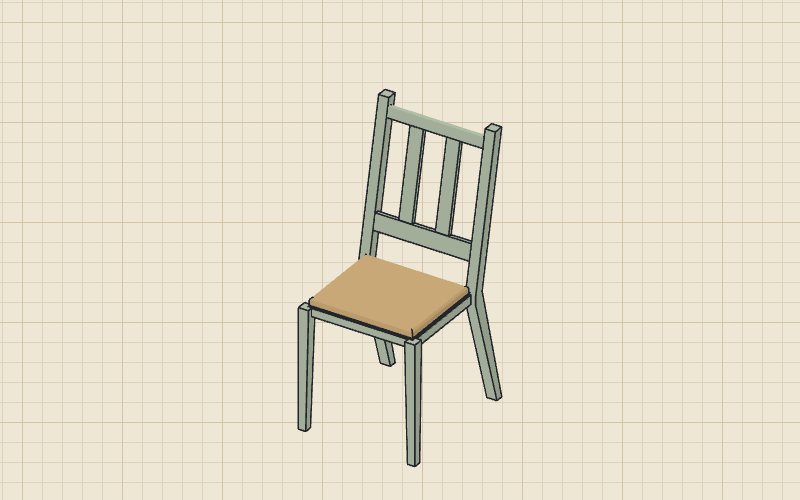
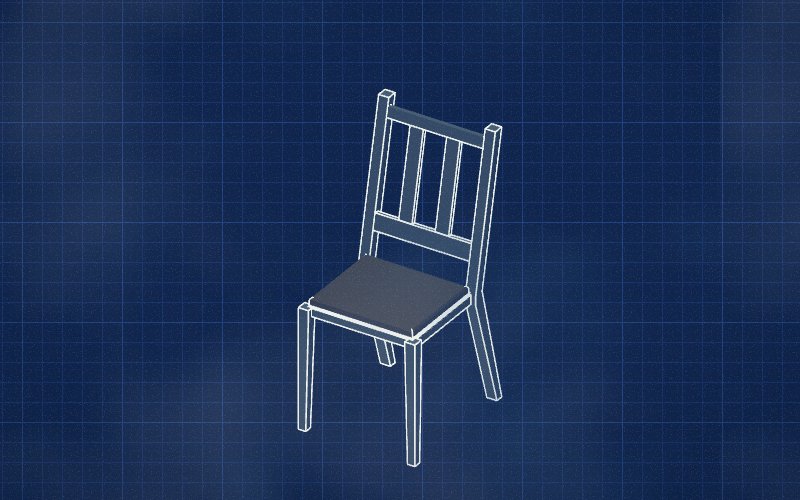
Dining Chair
17.3 × 20.4 × 39.4 in (440 × 517 × 1000 mm)
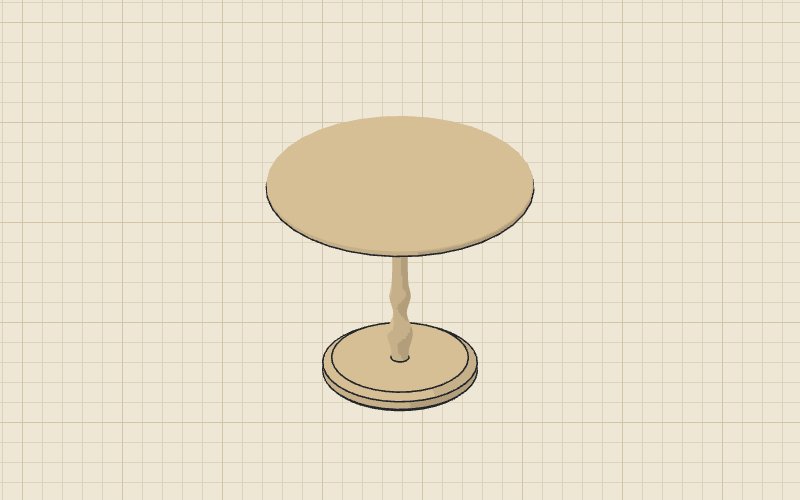

Pedestal Table
35.4 × 35.4 × 29.1 in (900 × 900 × 740 mm)
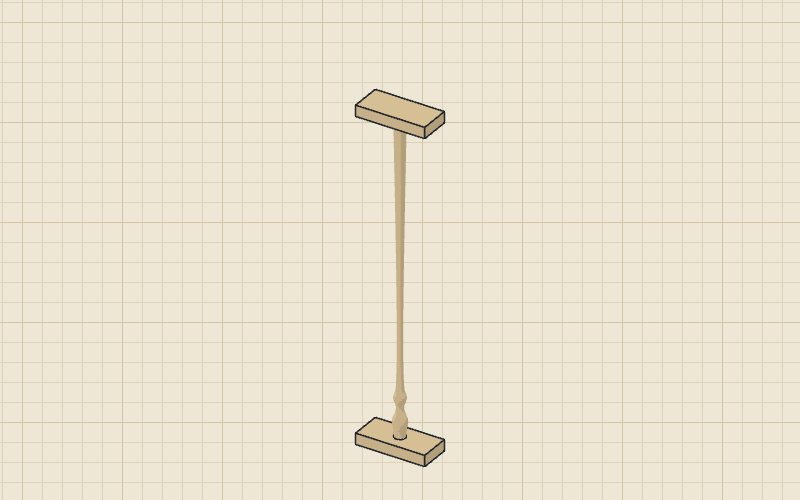
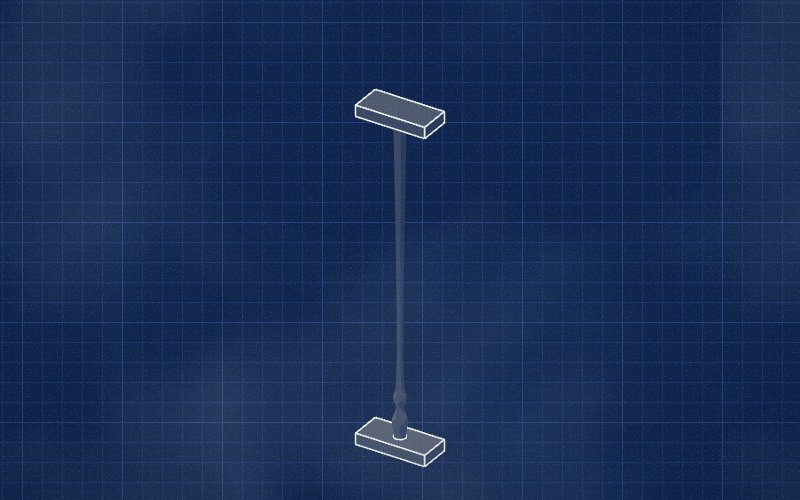
Stair Baluster
7.9 × 3.5 × 38.0 in (200 × 90 × 964 mm)
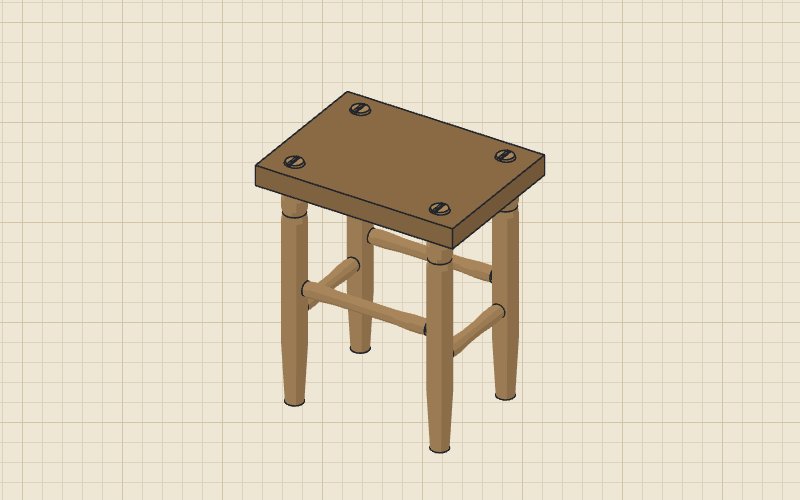
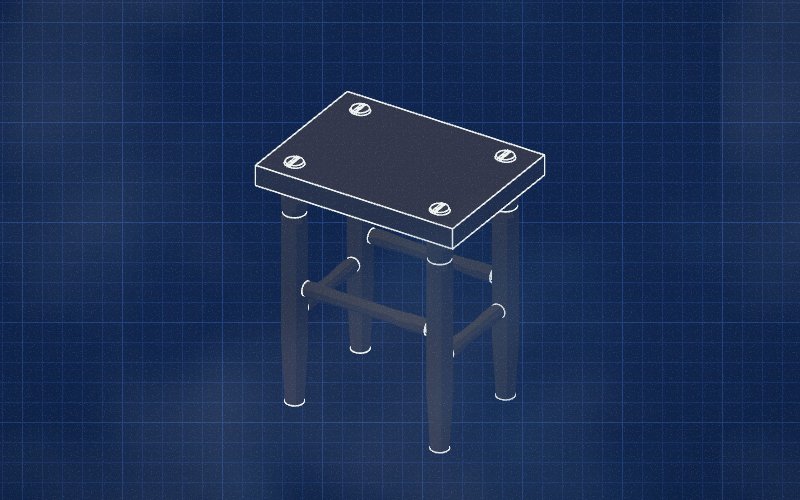
Wedged Post-and-Rung Stool
15.0 × 11.0 × 17.9 in (380 × 280 × 454 mm)