

Scandinavian Modern
History
Scandinavian modern furniture developed across Finland and Sweden from roughly 1930 to 1960, building on ideas about standard sections and plain joinery from earlier European modernism but applying them to a Nordic technique: bending thin birch veneers, laminated together, into curved structural shapes that need no separate frame. A Finnish architect pioneered the technique in the early 1930s, pressing laminated birch into L-shaped legs that could be screwed straight to a flat seat with no joint at all, and later bent whole seats and backs as single scrolled forms.
Elements
The style's structural idea is that thin laminated veneers, bent together over a mould, become stronger than solid wood cut to the same curve, so a chair's leg or a stool's frame can curve continuously with no glue-block or bracket anywhere. The signature L-leg bends through roughly a right angle in one continuous piece, screwed directly to the underside of a seat; later work bends a single scrolled strip into a cantilevered support with no separate legs at all. Seats are often moulded plywood shells, sometimes slotted with a single decorative slit, sitting on these bent-laminate bases.
Ornament is largely absent; the bend itself, and the birch's pale, straight grain left with a clear or light-toned finish, are the only visual interest. Construction is industrial rather than hand-joined: layers of birch veneer are glued and pressed in a heated mould under pressure, the bent piece is trimmed and drilled, and the whole assembly is screwed together rather than mortised or doweled, since the laminate itself provides the structural strength a traditional joint would otherwise supply.
Leaders in this style: historical designers and makers whose work inspired it (inspired by, not reproduced):
Designs
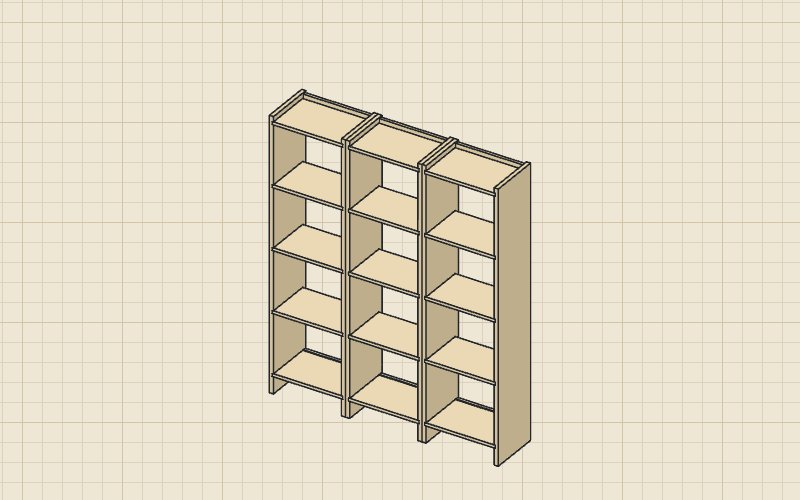
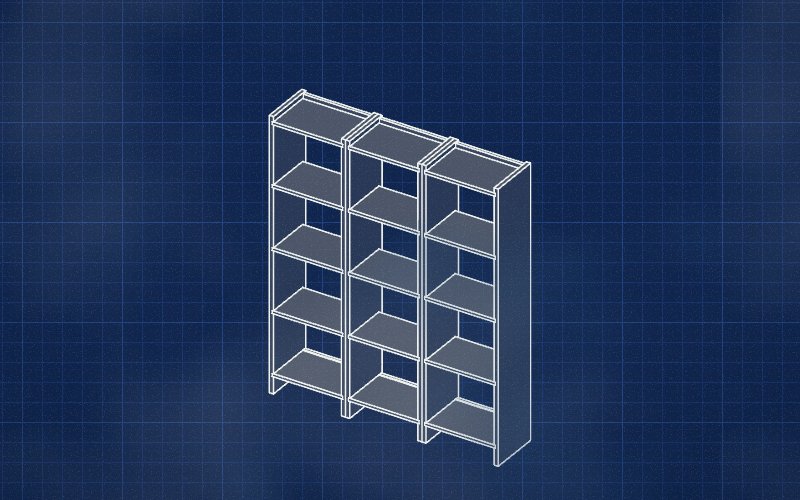
Scandinavian Birch Shelving Unit
52.9 × 11.8 × 63.0 in (1344 × 300 × 1600 mm)
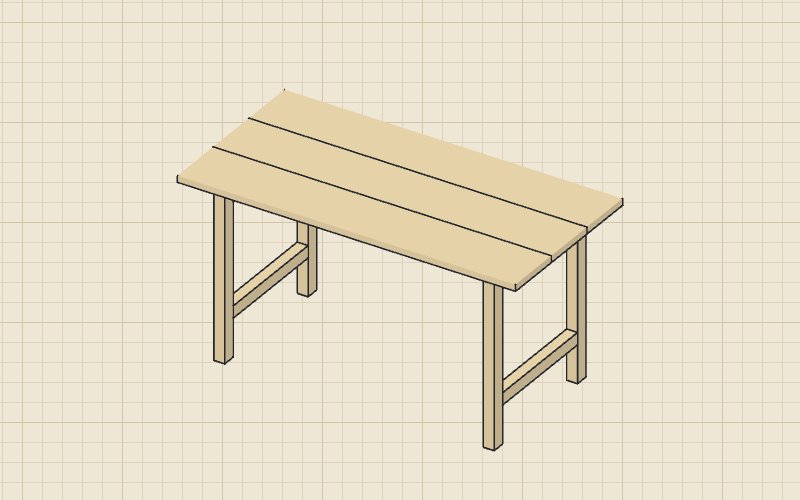
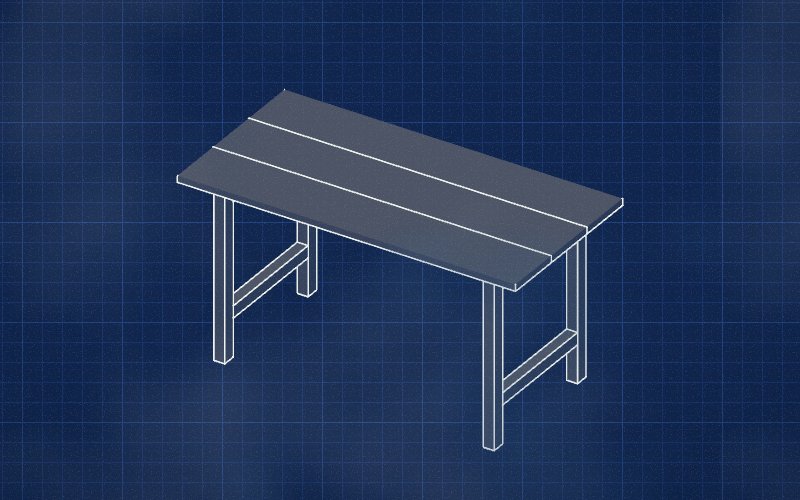
Scandinavian Birch Trestle Desk
55.1 × 27.6 × 29.1 in (1400 × 700 × 740 mm)
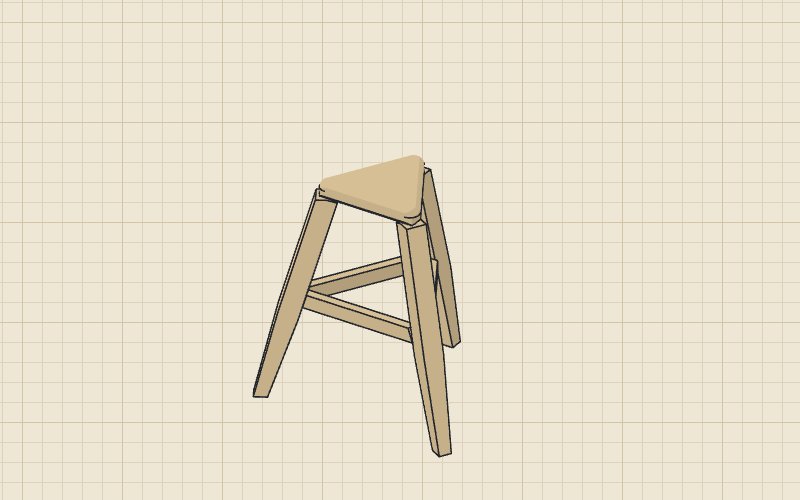
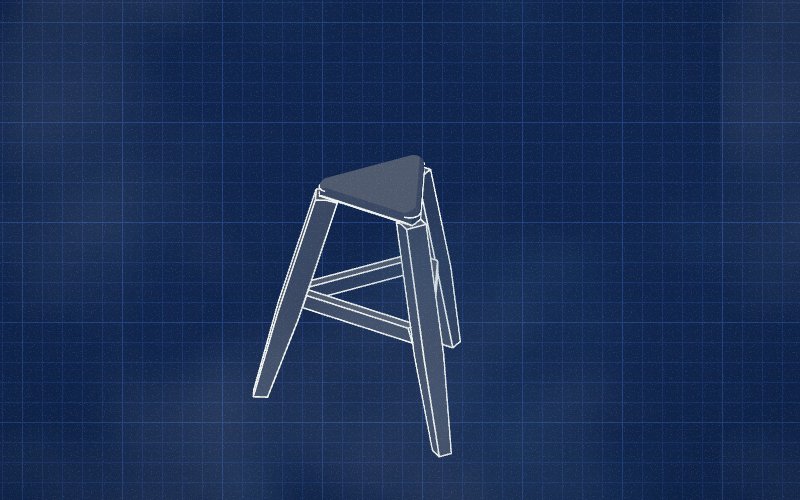
Three-Legged Milking Stool
17.7 × 15.3 × 18.9 in (448 × 388 × 480 mm)
Hardware for this style
Hinges, pulls, fasteners and other hardware that guides to this style name.
- Tabletop fasteners
- Z-clip