

Victorian
History
Victorian furniture spans the long reign of a nineteenth-century British monarch, roughly 1837 to 1901, and covers a sequence of historical revival styles in England and the United States rather than one single look — Gothic Revival, Rococo Revival, Renaissance Revival and Eastlake all fall under the Victorian umbrella in turn. What holds the era together is less a single look than a shared taste for revived historical ornament, mechanized production and, increasingly as the century wore on, deep buttoned upholstery over a sprung seat.
By the 1860s a reform strand pushed back against the excesses of the earlier revivals, arguing for simpler, more rectilinear furniture with visible construction — a current that would carry directly into the reform movements of the following decades.
Elements
Across its revival styles, Victorian furniture favors heavy, deeply carved forms — cabriole legs, turned and ring-carved legs, and after mid-century, casters fitted to legs so heavy case pieces and seating could be rolled rather than lifted. Backs and crests on Rococo Revival chairs and sofas curve into elaborate carved scrollwork, while Renaissance Revival case pieces stand more architectural, with pedimented tops and applied medallions. Upholstery becomes a structural element in its own right at mid-century, with the deep-buttoned, sprung seat turning a sofa or chair into a soft, padded silhouette very different from any earlier period's furniture.
Ornament is dense and eclectic: acanthus carving, scrolling foliage, applied carved medallions and cartouches, and inlaid or painted panels, executed in rosewood, walnut, mahogany and oak depending on the sub-style and decade. Construction increasingly leans on mechanization as the era progresses — steam-powered saws and carving machinery let makers produce elaborately shaped parts faster than hand tools alone, while coil springs, tied and tacked into a webbed seat frame, made the deep upholstered forms possible; frame joinery underneath the show wood stays conventional mortise-and-tenon and dowelled construction throughout.
Designs
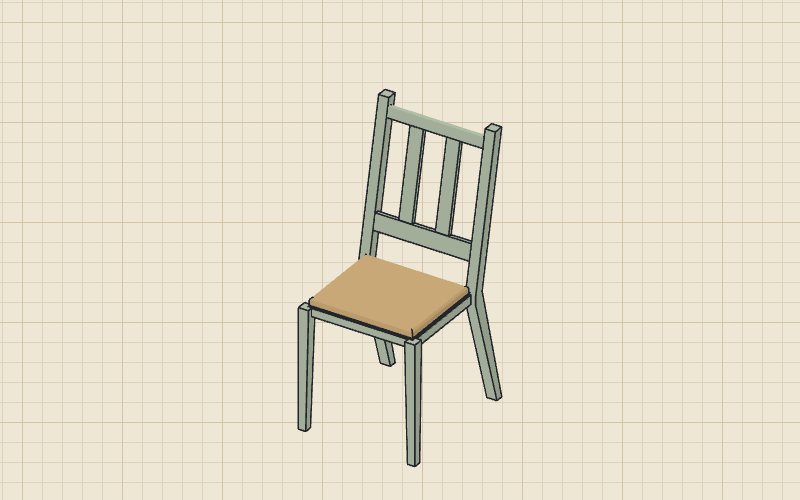
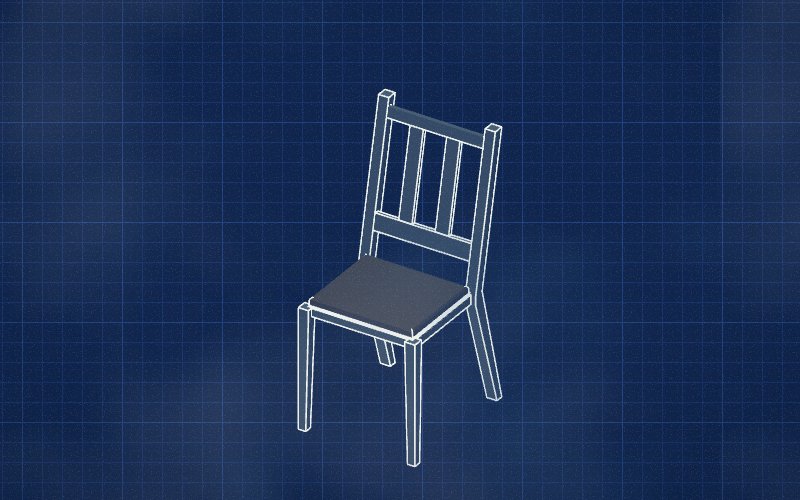
Dining Chair
17.3 × 20.4 × 39.4 in (440 × 517 × 1000 mm)
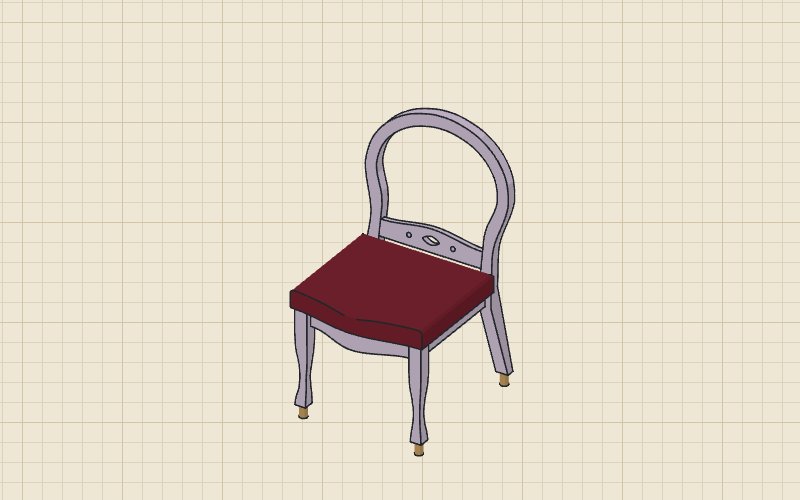
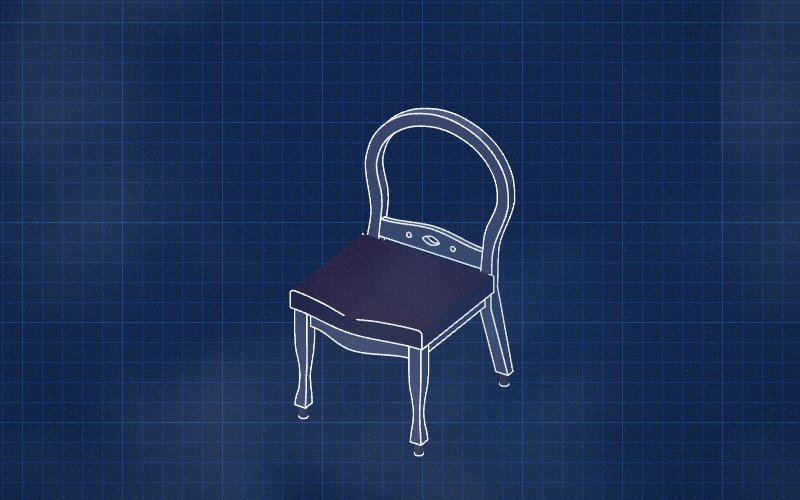
Victorian Balloon-Back Chair
20.5 × 22.6 × 35.4 in (520 × 573 × 900 mm)
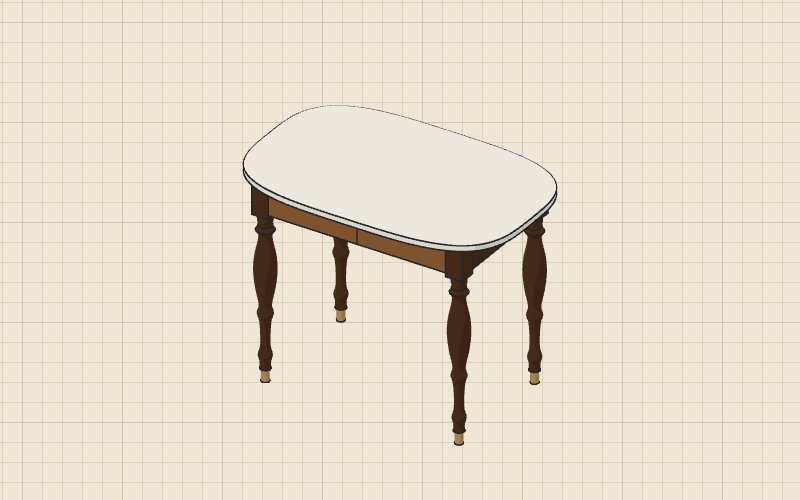
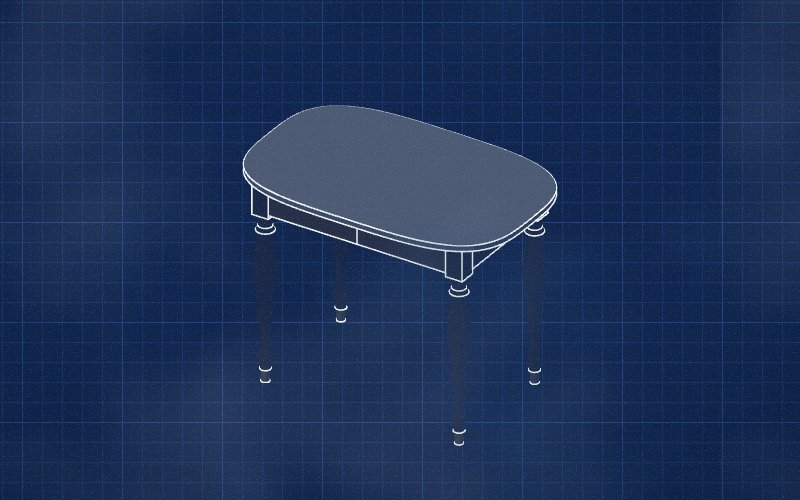
Victorian Parlour Table
37.8 × 24.4 × 29.1 in (960 × 620 × 740 mm)
Hardware for this style
Hinges, pulls, fasteners and other hardware that guides to this style name.
- Knock-down and bolts
- Bed rail fastener
- Casters
- Cup caster