


Overview
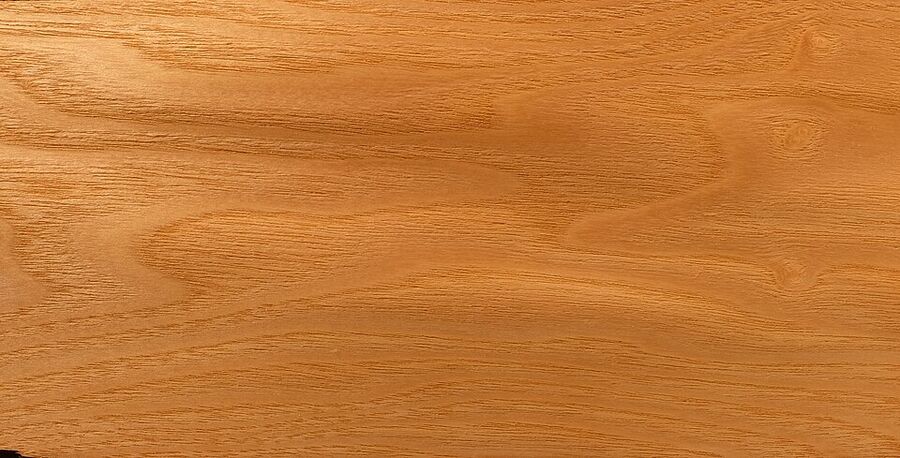
European ash is a pale, straight-grained, tough and shock-resistant hardwood, the European counterpart of white ash. It looks like oak without oak's conspicuous rays. Wood Database notes it has fairly good strength for its weight, which is why it has gone into tool handles, bent parts and chair spindles. Choose it for strength with a light colour; its supply is changing because of ash dieback.
Pros
- Fairly good strength for its weight and shock resistant (Wood Database).
- Good results with hand and machine tools; steam-bends well; glues, stains and finishes well.
- Straight, regular grain with medium to coarse texture, similar to oak.
- Wood Database says it should compare similarly to oak in price in its home range; the UK trade price I found is low.
Cons
- Rated perishable or only slightly durable for decay, and not resistant to insects: indoor use.
- Reported to cause skin irritation and a decrease in lung function.
- Gives off a distinct, moderately unpleasant smell when worked (Wood Database).
- Supply risk: ash dieback is killing trees across Europe.
Variants and subspecies
- Olive ash: boards with dark, olive to brown streaks in the heartwood, sold at a premium for the pattern.
- White (pale) ash: mostly sapwood, near white to beige; the usual furniture grade.
- Curly or figured ash: occasional, sold as veneer or boards.
- Other ashes are different timbers: American white ash and black ash are not covered here, and the Japanese ash tamo is a separate species.
Working and finishing
Easy to machine; ring-porous with large earlywood pores, tyloses common. Pores need filling for a smooth film finish. Bending parts from ash was the basis of much chair making: per Wikipedia's Windsor chair article, English Windsors use ash and oak for spindles and steam-bent parts.
Staining and finishing colour
Stains evenly but shows its pores strongly; when stained dark it can look like oak, although oaks have much wider rays. For a natural look use clear oil, hard wax or a water-white lacquer to keep it pale.
Sustainability and handling
Ash dieback, caused by the fungus Hymenoscyphus fraxineus, has spread across Europe and is the main reason ash is under pressure; Wikipedia's IUCN-based taxobox gives F. excelsior as Near Threatened (Khela and Oldfield, 2018). Wood Database says it is not on the IUCN list, which conflicts with this, so check the current assessment. Wood Database reports no CITES listing (checked 2026-09-30). EU traders should note the EU Deforestation Regulation (30 December 2026 for large and medium operators). US imports need a Lacey Act plant declaration (16 USC 3372(f)). Dust is a reported irritant; extract.
Popular projects
Chair spindles and bent parts (Windsor chairs), tool handles, table frames, flooring, millwork, boxes and crates, and turned objects. Wood Database lists flooring, millwork, boxes, baseball bats and tool handles.
Buying notes
Sold in Europe as kiln-dried waney-edged boards; I found no US yard list for it, and US yards stock American white ash, a different species. Say European ash if you need it. Olive ash costs more. Prefer kiln-dried stock from sound trees, and ask about the source if the board comes from a dieback-affected stand.
Typical projects
- Windsor and bentwood chairs
- tool handles
- flooring
- millwork
- workbench frames
- turned items
Finishes that suit this
Sources
Researched 2026-09-30. Prices, conservation status and CITES listings on this page are indicative and were checked on that date. They change: confirm them with your supplier, and with the relevant authority before importing or exporting.