


Overview
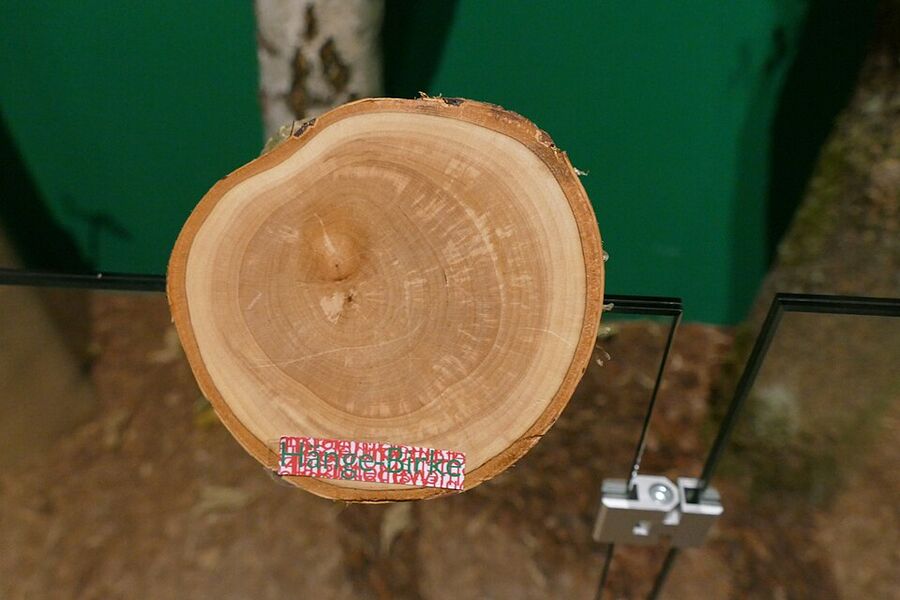
European birch means two species: silver birch (Betula pendula) and downy birch (B. pubescens). The wood is pale, fine-textured and easy to work, and it is one of the most widely used woods for veneer and plywood worldwide (Wood Database). A commenter on Wood Database calls solid birch the most popular hardwood in Finland and northern Scandinavia, used for furniture indoors. Choose it for plain, economical indoor furniture and joinery, or for masur birch where figure is the aim.
Pros
- Easy to work with hand and machine tools; turns, glues and finishes well.
- Fine, even texture, with straight or slightly wavy grain.
- Wood Database says plain birch lumber is likely to be rather economical, in the same price range as maple or oak.
- The masur (Karelian) figure is a distinctive, burl-like pattern for veneer, turning and knife handles.
- Silver birch is moderately hard (Janka 1,210 lbf, about 640 kg/m3).
Cons
- Perishable: it rots readily outdoors and is susceptible to insect attack, so indoor use only.
- Dull, uniform appearance with little distinction between growth rings.
- Downy birch is softer than silver (Janka 930 lbf, estimated, about 625 kg/m3), with shrinkage of 6.0% radial and 10.0% tangential.
- Wild-grain boards can tear out in machining.
- Reported as a sensitizer, usually causing skin and respiratory irritation.
Variants and subspecies
- Silver birch (B. pendula): Janka 1,210 lbf, 640 kg/m3.
- Downy birch (B. pubescens): Janka 930 lbf (an estimate based on specific gravity), 625 kg/m3.
- Masur or Karelian birch: not a species but a figure, most commonly in downy and silver birch; Wood Database gives Betula pendula var. carelica as the hereditary variant in Norway. Wood Database compares it to burl or birdseye maple.
- Related birches covered separately here: Yellow birch and Baltic birch plywood.
Working and finishing
Wood Database: generally easy to work, though wild grain can cause tear-out. It turns, glues and finishes well. Plain birch is a good base for paint and clear finishes alike.
Staining and finishing colour
Wood Database reports that birch finishes well and notes its dull, uniform appearance. Trial any stain on an offcut. Masur birch is usually finished clear to show its pattern.
Sustainability and handling
Wood Database reports European birch is not CITES-listed or on the IUCN Red List (checked 2026-09-30); the Wikipedia taxobox gives Least Concern. Birch in the Betula genus has been reported as a sensitizer; use dust extraction. EU traders should note the EU Deforestation Regulation (30 December 2026 for large and medium operators). US imports need a Lacey Act plant declaration (16 USC 3372(f)).
Popular projects
Wood Database lists plywood, boxes, crates, turned objects, interior trim and small specialty items; birch veneer is used for doors, furniture and panelling. Masur birch is used for turned objects, decorative veneer and knife handles.
Buying notes
I found no US price for plain European birch lumber. Masur is sold as veneer and small blanks, at the much higher price quoted above. Check which species you are getting if hardness matters.
Typical projects
- plywood and veneer
- furniture
- boxes and crates
- turned objects
- interior trim
- masur veneer and knife handles
Sources
- www.wood-database.com/silver-birch
- www.wood-database.com/downy-birch
- www.wood-database.com/masur-birch
- en.wikipedia.org/wiki/Betula_pendula
- en.wikipedia.org/wiki/Betula_pubescens
- www.hearnehardwoods.com/price-list
- environment.ec.europa.eu/topics/forests/deforestation/regulation-de...
- www.law.cornell.edu/uscode/text/16/3372
Researched 2026-09-30. Prices, conservation status and CITES listings on this page are indicative and were checked on that date. They change: confirm them with your supplier, and with the relevant authority before importing or exporting.