


Overview
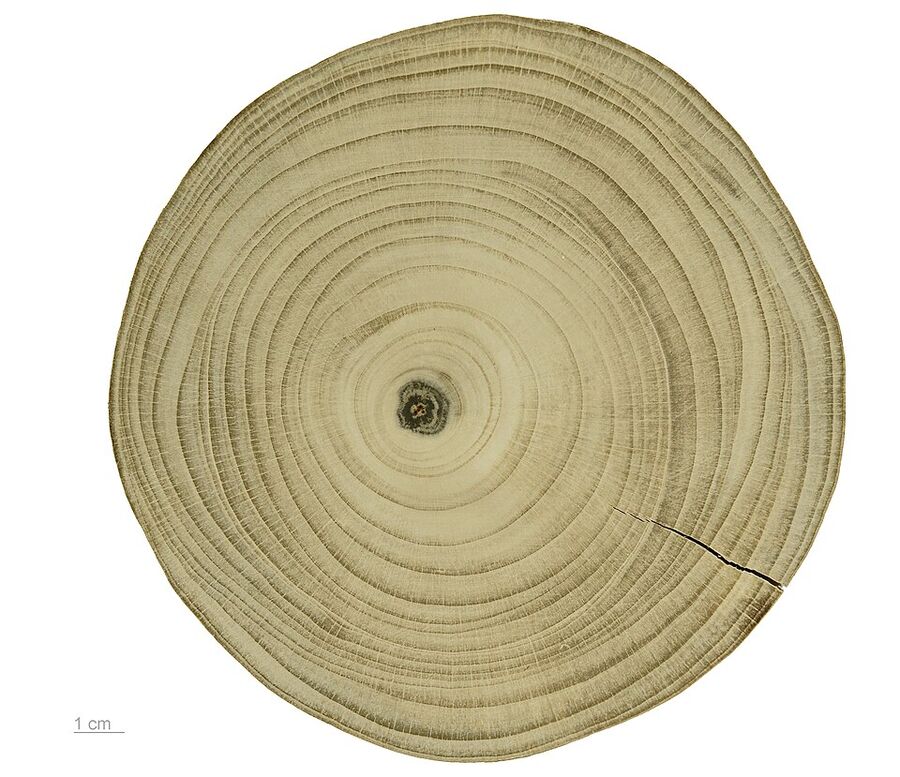
Ginkgo, Ginkgo biloba, is a living-fossil tree and technically a softwood (it is a gymnosperm), though the wood is unlike a typical conifer. Wood Database describes light orangish-brown to nearly white heartwood with straight, even grain. It is not a commercial timber: boards come from urban and specialty sawyers when street trees are felled. Wikipedia records use for furniture, chessboards, carving and sake casks. Pick it for carving, small boxes and board games.
Pros
- Moderate density and hardness for a softwood: 750 lbf Janka and about 465 kg/m3 (Wood Database).
- Straight, even grain that Wood Database says is good for carving and joinery.
- Fire-resistant and slow to decay (Wood Database).
Cons
- Not a commercial timber: supply is irregular and board sizes depend on the felled tree.
- The wild tree is endangered in China (Wood Database), so the wood you can buy comes from cultivated trees; ask where the tree stood.
- Pollen, fruit and leaves are allergenic, though Wood Database found no reports for the wood.
- No stable price or grade structure.
Variants and subspecies
- Ginkgo biloba is the only living species; there are no timber variants of note.
- Not the same as kaya (Torreya nucifera), the premium go-board wood; see Kaya. Wikipedia's go equipment article, not ginkgo, is the source for kaya's board use.
Working and finishing
Wood Database rates it good for carving and joinery. As a straight-grained, moderate-density wood it should plane cleanly, but I found no machining, glue or finish tests, so check with offcuts.
Staining and finishing colour
Wood Database describes the heartwood as light orangish brown to nearly white. I found no stain tests; try offcuts.
Sustainability and handling
Wood Database lists wild ginkgo as IUCN Endangered. Because the species is widely planted, lumber normally comes from cultivated trees, not wild stock. On 2026-09-30 I searched Species+ and found no CITES listing. The Lacey Act bars US trade in plants taken in violation of law, with timber covered since 2008; the EU deforestation regulation covers wood and furniture from 30 December 2026 for large and medium operators. Wood Database reports that ginkgo pollen, fruit and leaves are allergenic but found no reports for the wood; extract dust and wear a respirator when sanding anyway.
Popular projects
Chessboards, small furniture, carved objects and, per Wikipedia, sake casks. Wood Database singles out carving and joinery as good uses.
Buying notes
Look for urban-salvage sawyers and ask for the tree's origin and drying history. Expect irregular sizes and no price list; verify moisture content before buying.
Typical projects
- chessboards
- carved boxes
- small furniture
- sake casks
- carving
Sources
Researched 2026-09-30. Prices, conservation status and CITES listings on this page are indicative and were checked on that date. They change: confirm them with your supplier, and with the relevant authority before importing or exporting.