


Overview
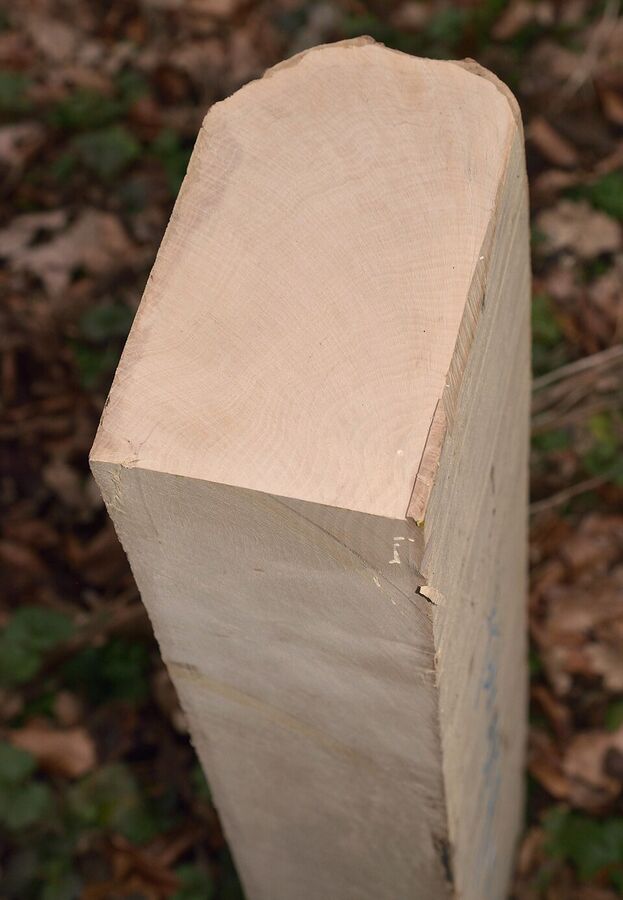
European hornbeam is a near-white, hard and tough wood, mostly sapwood, with a fine, even texture and excellent resistance to wear and abrasion (Wood Database). It is used where wear resistance matters more than looks: handles, flooring, wheels, shafts and percussion parts. Pick it for tough, plain, pale work.
Pros
- Very hard (Janka 1,630 lbf, about 735 kg/m3) and wear-resistant.
- Excellent resistance to wear and abrasion (Wood Database).
- Fine, even grain that, with its density, makes an excellent turning wood.
- Stains, glues and finishes well.
- Prices should be moderate throughout its natural range in Europe (Wood Database).
Cons
- Considered difficult to work because of its density and toughness (Wood Database).
- High shrinkage (6.8% radial, 11.5% tangential).
- Non-durable to perishable, and susceptible to insect attack: indoor use.
- Not commonly exported to the United States; the single US price I found was $30 per bf.
- Reported to cause skin irritation.
Variants and subspecies
- European hornbeam (Carpinus betulus), the species covered here.
- Wood Database describes a single species for the European timber; I found no named grades or subspecies in the trade.
- Gilmer sells its German hornbeam as a holly substitute, since both are pale and fine-textured.
- Wood Database says the name reflects either an ox yoke use or the wood being as hard and tough as horn.
Working and finishing
Wood Database: difficult to work on account of its density and toughness, but the same density and fine, even grain make an excellent turning wood. It stains, glues and finishes well.
Staining and finishing colour
Wood Database says hornbeam stains and finishes well. Its near-white sapwood is a neutral base for a clear finish or a stain.
Sustainability and handling
Wood Database reports hornbeam is not CITES-listed and not on the IUCN Red List (checked 2026-09-30); Wikipedia's taxobox gives Least Concern. Wood Database says severe reactions are uncommon but skin irritation has been reported, so use dust extraction. EU traders should note the EU Deforestation Regulation (30 December 2026 for large and medium operators). US imports need a Lacey Act plant declaration (16 USC 3372(f)).
Popular projects
Wood Database lists fuelwood, flooring, veneer, percussion instruments, wheels, handles, shafts, turned objects and other small wood parts.
Buying notes
Hornbeam is a regional European timber, moderately priced at home and hard to find in the US. Buy dry stock.
Typical projects
- handles
- flooring
- percussion instruments
- wheels and shafts
- turned objects
- small wood parts
Sources
Researched 2026-09-30. Prices, conservation status and CITES listings on this page are indicative and were checked on that date. They change: confirm them with your supplier, and with the relevant authority before importing or exporting.