

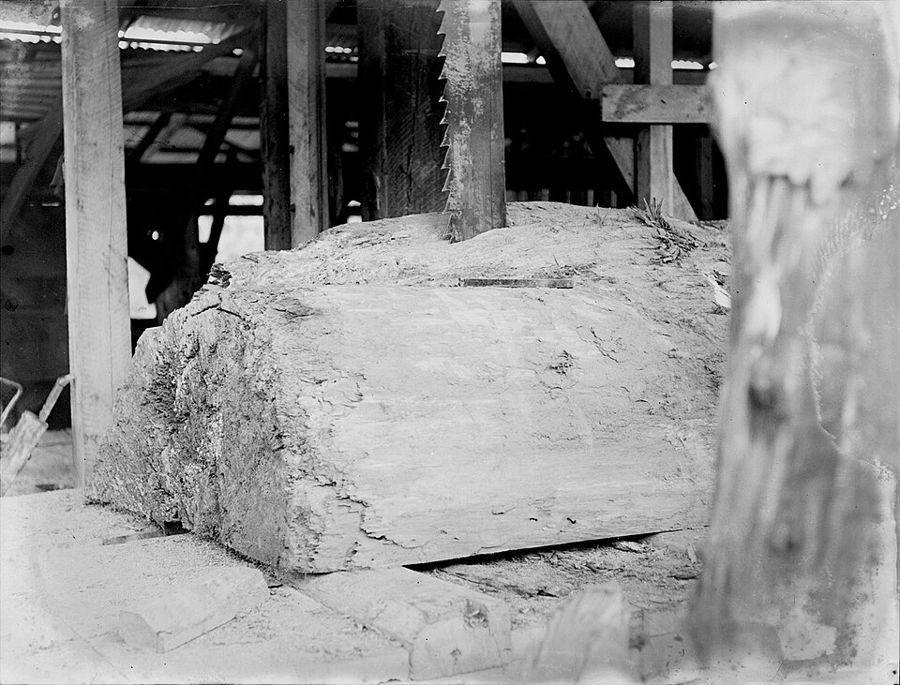

Overview
New Zealand's famous conifer: very large trees yield clear, knot-free boards in warm pale-yellow to golden brown with a shimmering figure called 'whitebait'. Standing harvest is strictly controlled, so most kauri on the market is ancient swamp kauri salvaged from bogs, often thousands of years old and expensive.
Pros
- Nearly always clear and knot-free, with little waste (Wood Database).
- Straight, fine, even grain with good workability.
- Durable (better than other Agathis species) and not susceptible to powder-post beetles.
- Beautiful 'whitebait' figure in some pieces.
Cons
- Standing-tree harvest is strictly controlled and lumber is seldom seen outside New Zealand (Wood Database).
- Ancient swamp kauri can be quite expensive.
- Moderately hard only (730 lbf).
- Hard to source with documented provenance.
Variants and subspecies
- Standing / plantation kauri: tightly controlled.
- Ancient (swamp) kauri: salvaged from bogs; darker, more figured and expensive.
- Related: Huon pine and Parana pine are other non-pine southern conifers.
Working and finishing
Moderate density and straight, consistent grain give good workability, and most machining is trouble-free. Glues and finishes well. It is a favourite for turning and instrument making.
Staining and finishing colour
Typically finished clear; fine texture means little blotching. Swamp kauri has deep golden to brown tones that are the draw. Light exposure deepens the colour over time.
Sustainability and handling
Not CITES-listed (Wood Database; checked 2026-09-30). The Wood Database says the IUCN reports it as conservation dependent, but I could not confirm a current IUCN category, so conservation is entered as n/a. Standing-tree harvest in New Zealand is strictly controlled, so use only legally salvaged ancient kauri. The Wood Database notes no health reactions beyond the standard risks of wood dust.
Popular projects
Fine furniture, cabinetry, guitar bodies and tops, boat building, turnings and veneers.
Buying notes
Ancient swamp kauri is sold by specialist New Zealand dealers by the board foot or by the slab, and it is expensive. No retail listing was opened for this guide, so the range shown is an estimate; ask for provenance and documentation.
Typical projects
- furniture
- cabinetry
- guitar tops
- boatbuilding
- turned pieces
- veneer
Sources
Researched 2026-09-30. Prices, conservation status and CITES listings on this page are indicative and were checked on that date. They change: confirm them with your supplier, and with the relevant authority before importing or exporting.