

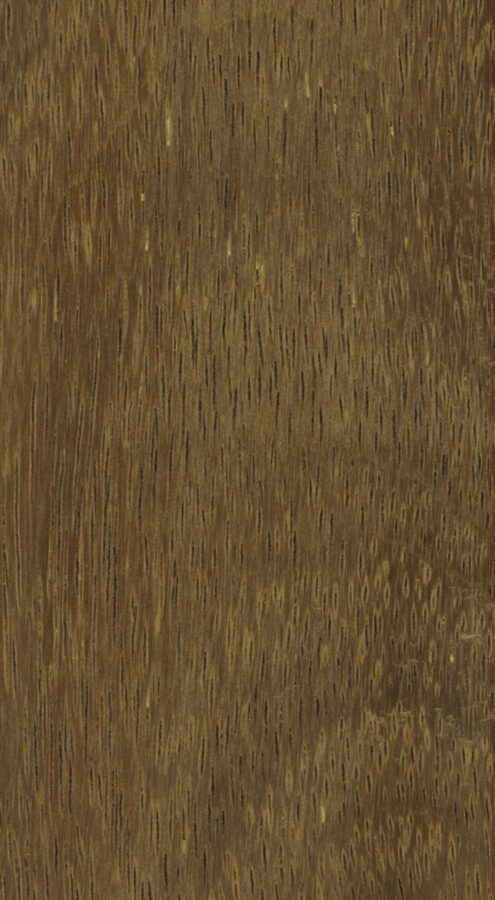

Overview
Merbau, sold in Australia, New Zealand and the Pacific as kwila, is a heavy, durable orange-brown hardwood with excellent strength and stability. It is used mostly for decking, flooring and outdoor furniture. It looks rich and weathers well, but it is also one of the more troubled tropical timbers on legality grounds, so where it comes from matters more than usual.
Pros
- Very hard (1,840 lbf) and strong, with good stability (Wood Database).
- Very durable against rot and insects; Cirad rates it durability class 1-2.
- Long, wide boards are usually available when it is on offer.
- Glues and finishes well.
Cons
- Dulls saw teeth and gums up; hard to saw and machine.
- Yellow, water-soluble mineral deposits leach out in wet weather and stain light surfaces, so seal or expect streaks.
- Colour varies widely between boards.
- Dust and the smell of sawing can irritate and cause sneezing; mild skin and nose reactions are reported.
- Legality and sustainability concerns (see below).
Variants and subspecies
- Intsia bijuga: the main species, from East Africa across Southeast Asia to the Pacific and Australia.
- Intsia palembanica: the Malaysian and Indonesian species.
- Trade names: merbau in Indonesia and Malaysia; kwila (also iban, mboan, bon, menau) in Papua New Guinea; ipil or Moluccan ironwood in the Philippines; Borneo teak in the UK (TRAFFIC 2009). "Teak" and "ironwood" here are trade names only; merbau is not true teak (Tectona).
Working and finishing
Hard and gummy: use sharp carbide, slow feeds and plenty of dust extraction. Pre-drill for screws and nails. Glues and finishes well once surfaces are clean. Expect yellow bleed from the mineral deposits when it first gets wet, and test any light surface beneath it.
Staining and finishing colour
The natural orange-brown deepens to a dark reddish brown with age. Dark wood hides most stain, so a clear finish is the usual route. The yellow deposits are water-soluble, so rain or washing can carry colour onto neighbouring stone, concrete or paint.
Sustainability and handling
Not listed in the CITES Appendices (Cirad Tropix, 2023 sheet; statuses checked 2026-09). The conservation status is disputed. Wood Database says Vulnerable, which matches the 1998 IUCN assessments reported by TRAFFIC in 2009. Wikipedia, citing newer IUCN assessments, gives Near Threatened for both Intsia bijuga and I. palembanica. I could not open the Red List directly, so the NT badge follows the more recent source.
The bigger problem is legality. The TRAFFIC review of merbau trade (2009) reports that NGOs raised concerns about illegal trade, calls allegations of illegal logging in Indonesia, especially Papua, a major cause for concern, and says Papua New Guinea needs stronger laws and compliance. That report is old; I did not find a current verification. I did not research Lacey Act or EUDR duties for this entry. Treat merbau as a poor choice unless the seller can document legal harvest and chain of custody (FSC or equivalent). For outdoor use, an FSC-certified decking wood from a better-documented source is the safer buy; see Jarrah for a durable Australian alternative and check its own sourcing notes.
Popular projects
Decking and flooring, outdoor tables and benches, stair treads, turned objects and some musical instruments.
Buying notes
Sold as decking, flooring and lumber, often in ample widths. I found no US retail list price, so none is stated here. Ask for the species, country of harvest and chain-of-custody paperwork. Avoid undocumented stock, and avoid it entirely when a certified alternative will do.
Typical projects
- decking
- flooring
- outdoor furniture
- stair treads
- turned objects
- musical instruments
Sources
Researched 2026-09-30. Prices, conservation status and CITES listings on this page are indicative and were checked on that date. They change: confirm them with your supplier, and with the relevant authority before importing or exporting.