

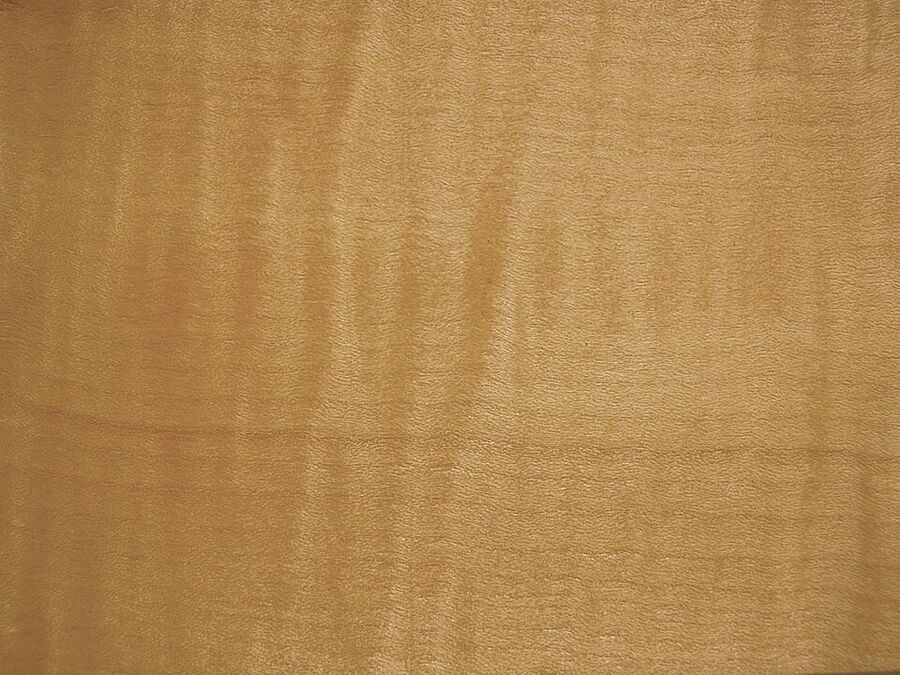

Overview
Sycamore maple (Acer pseudoplatanus) is Europe's pale, fine-grained maple, softer and lighter than American Hard maple but much like it in look. Plain boards are creamy and clean; the same tree gives the curly "fiddleback" figure used on violin backs and furniture veneer. Choose it for a light, quiet European look, or for figure; it is not an outdoor timber.
Pros
- Near-white, clean sapwood, with a plain face that suits modern, light furniture.
- Fairly easy to work with hand and machine tools; turns, glues and finishes well (Wood Database).
- Softer than hard maple (Janka 1,050 lbf, 615 kg/m3), so easier to plane and carve.
- Figured fiddleback, curly and quilted boards are widely available for decorative work.
Cons
- Non-durable to perishable for decay (Wood Database); use indoors.
- Burns when routed or machined with high-speed cutters, so use sharp cutters and a fast feed.
- Stains blotchy; Wood Database says blotches can occur when stained.
- Maples are reported to cause skin irritation, runny nose and asthma-like effects.
- Figured stock is much more expensive than plain; the single US price range here spans $9-50 per bf.
Variants and subspecies
- Plain sycamore: near-white, cheapest.
- Fiddleback / Riegelahorn / quilted: Wood Database notes figured curly or quilted pieces are likely to be much more expensive; fiddleback sycamore is used in musical instruments (listed uses: veneer, musical instruments, turned objects).
- Field maple (Acer campestre, also hedge maple): one of the hardest and heaviest maples (Janka 1,150 lbf, about 690 kg/m3). Wood Database says it grows slowly and seldom gets large, so it is uncommon as lumber; its uses include flooring, furniture, violins, turned objects and veneer, and it notes that Stradivari used it for violins. I found no verified price, so it has no entry of its own here.
- For the North American species see Hard maple.
Working and finishing
Wood Database: fairly easy to work, but maple tends to burn under high-speed cutters. Turns, glues and finishes well. Plane figured boards with a sharp, finely set blade or a scraper to limit tear-out.
Staining and finishing colour
The even, fine grain is prone to blotching under pigment stain. Use a pre-stain conditioner, gel stain or a toned lacquer for colour, or leave it natural; a water-based clear finish keeps it palest, while oil-based finishes add a warmer, yellower cast.
Sustainability and handling
Wood Database reports sycamore maple as not CITES-listed; its IUCN status is Least Concern (Wikipedia taxobox, Crowley and others 2017; checked 2026-09-30). For field maple, Wood Database reports no IUCN listing, and I did not find an assessment. EU traders should note the EU Deforestation Regulation (30 December 2026 for large and medium operators, 30 June 2027 for micro and small). US imports need a Lacey Act plant declaration (16 USC 3372(f)). Maples are reported to cause skin irritation and asthma-like effects, so extract dust.
Popular projects
Violin backs, necks and ribs; fiddleback veneer panels; kitchen boards and worktops; turned bowls; boxes. Biedermeier furniture (1815-1848) used local woods and maple and fruitwood veneers where earlier styles used imported mahogany (Wikipedia).
Buying notes
Sold as European flitch (boards sawn from the log in sequence) in the US from specialty importers; ask for plain or figured and for kiln-dried stock. A figured board can cost several times a plain one. UK yards sell plain sycamore for far less.
Typical projects
- violin backs and necks
- fiddleback veneer panels
- kitchen worktops and boards
- turned bowls
- boxes
- light cabinetry
Sources
- www.wood-database.com/sycamore-maple
- www.wood-database.com/field-maple
- en.wikipedia.org/wiki/Acer_pseudoplatanus
- en.wikipedia.org/wiki/Acer_campestre
- en.wikipedia.org/wiki/Biedermeier
- www.hearnehardwoods.com/price-list
- www.hearnehardwoods.com/sycamore-english-lumber-2
- www.suttontimber.co.uk/trade/prices
- environment.ec.europa.eu/topics/forests/deforestation/regulation-de...
- www.law.cornell.edu/uscode/text/16/3372
Researched 2026-09-30. Prices, conservation status and CITES listings on this page are indicative and were checked on that date. They change: confirm them with your supplier, and with the relevant authority before importing or exporting.