

Biedermeier
History
Biedermeier furniture emerged in German-speaking Europe in the years after the Congress of Vienna, roughly 1815 to 1848, as the middle class of Vienna, the German states and Bohemia furnished homes in the peace that followed the Napoleonic wars. It took the grand forms of Empire furniture and stripped them of imperial bronze mounts and formality, remaking them in native light woods and scaling them down for comfortable domestic rooms rather than palaces. Viennese workshops, notably a Danhauser furniture factory, produced it in quantity from pattern books, which is part of why the style looks so consistent today.
A 2006 Milwaukee Art Museum exhibition, titled "The Invention of Simplicity," made the case that this quiet, geometric furniture anticipated Modernism by decades; its clarity of form and plain use of material read, in hindsight, as a forerunner of twentieth-century design movements that prized the same qualities.
Elements
The style favors simple geometric volumes — rectangles, cylinders, cones and spheres — composed with careful proportion and the occasional bold, soft curve. Case pieces read as clean, self-contained prisms: secretaries, chests of drawers, glass-fronted vitrines. Tables typically rest on a central pedestal, whether a turned column, a lyre form or a vase shape, over a flat base on small feet. Chairs are built on sabre-curved rear legs, often paired with straight tapered or sabre front legs, and their backs carry broad shaped crest boards or pierced lyre, fan and urn splats.
The primary ornament is the figure of the wood itself, veneer leaves book-matched across a drawer front or door so the grain mirrors around a center seam, with flame or crotch figure especially prized. Ebonised accents — columns, capitals, stringing lines — painted black provide contrast against the pale veneer, and drawers are left free of visible pulls, closed instead by simple keyhole escutcheons. Underneath the veneer sits a stable softwood carcase, dovetailed and faced with thick, hand-sawn veneer laid in hide glue, a construction method known as Blindholz.
Leaders in this style: historical designers and makers whose work inspired it (inspired by, not reproduced):
Designs
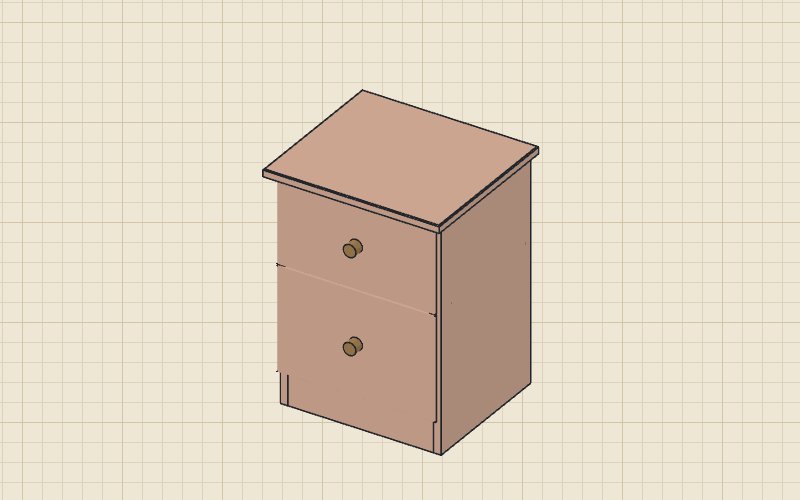
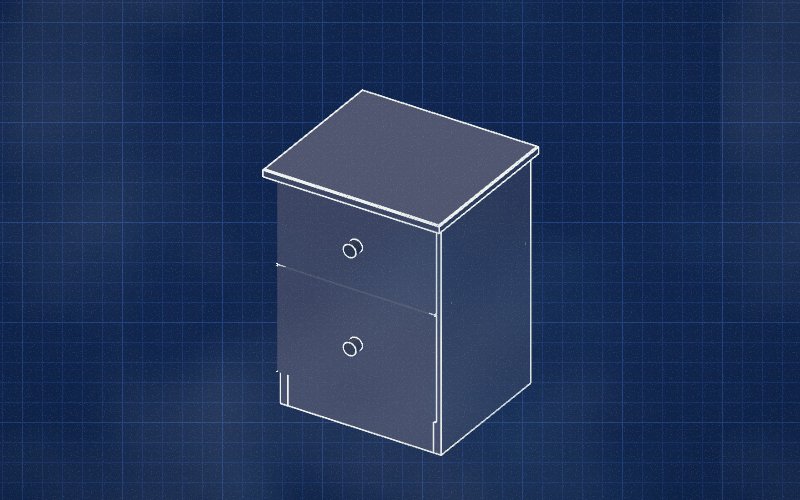
Bedside Cabinet
17.7 × 16.0 × 23.6 in (450 × 406 × 600 mm)
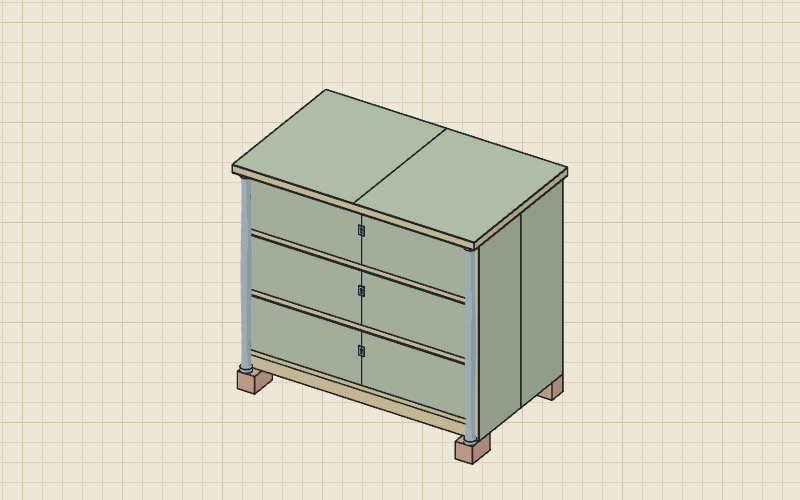
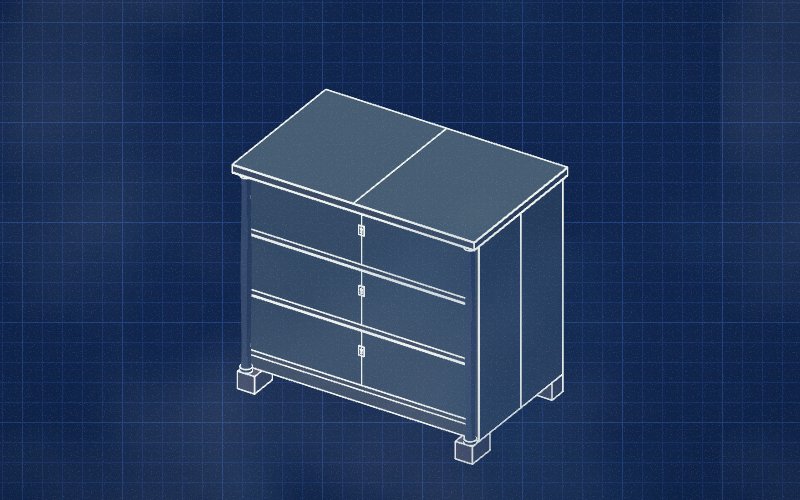
Biedermeier Chest of Drawers
38.9 × 23.7 × 35.4 in (988 × 602 × 900 mm)
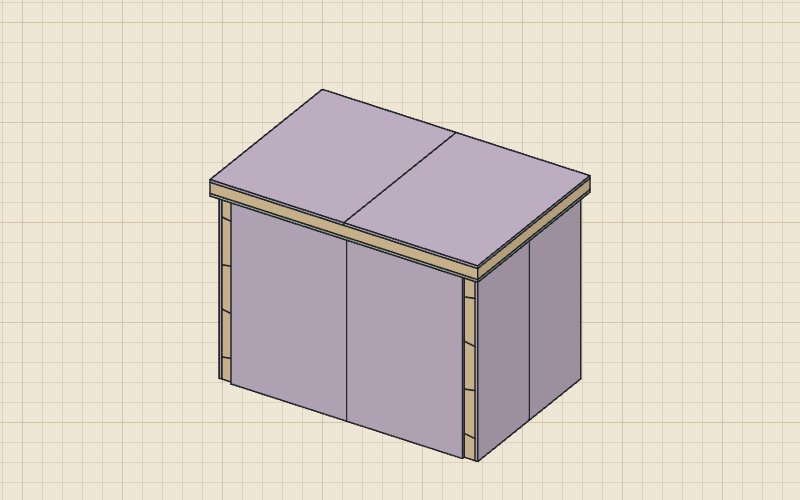
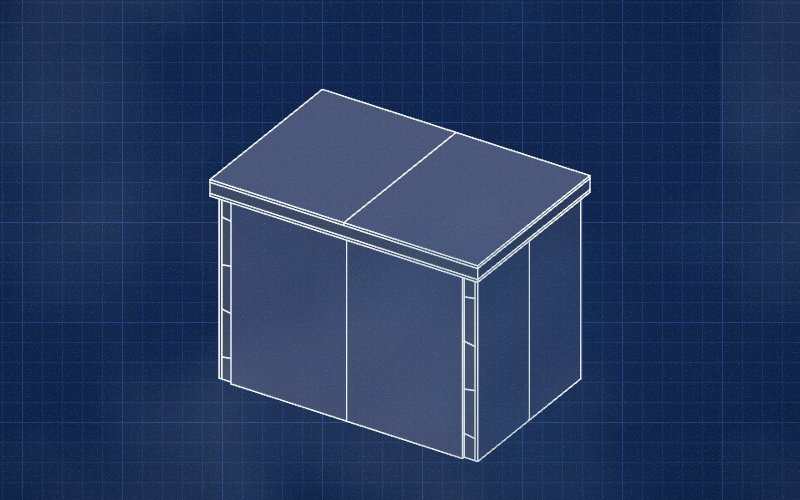
Biedermeier Document Box
11.7 × 7.7 × 8.6 in (296 × 196 × 218 mm)
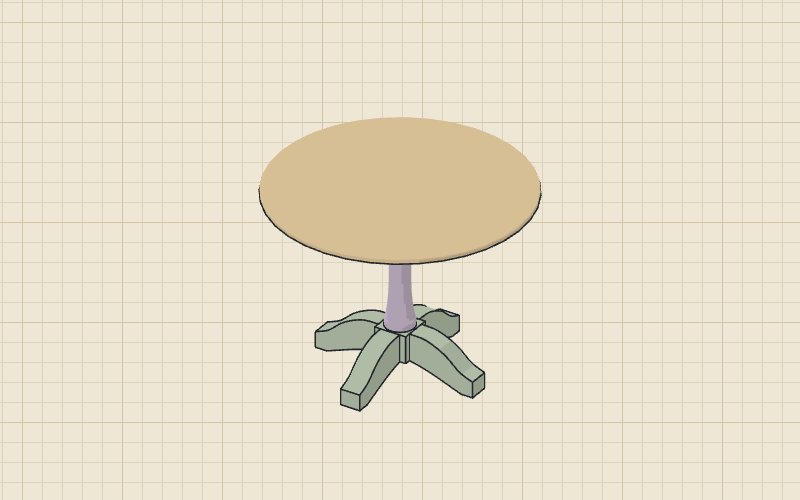
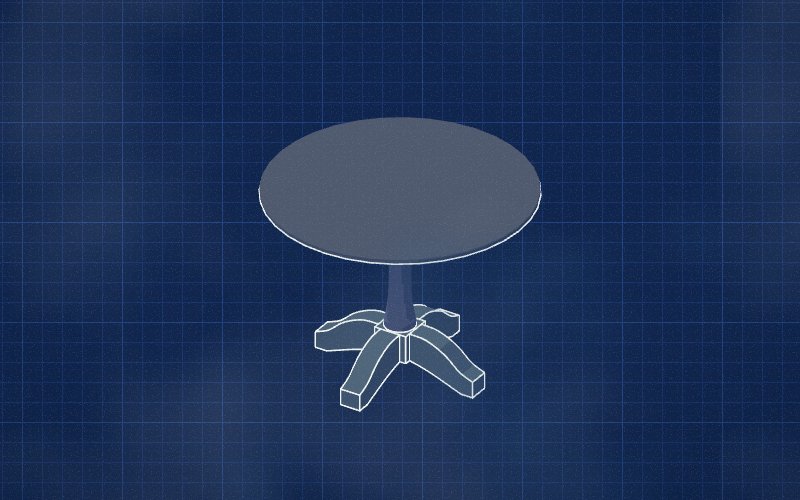
Biedermeier Pedestal Table
39.4 × 39.4 × 29.1 in (1000 × 1000 × 740 mm)
Hardware for this style
Hinges, pulls, fasteners and other hardware that guides to this style name.
- Pulls and escutcheons
- Escutcheon (keyhole plate)
- Locks
- Cabinet and chest lock