

Chinese Ming
History
Ming-style furniture developed in China during the late Ming dynasty, roughly the sixteenth and seventeenth centuries, continuing into the early Qing, and it remained influential long after as "Ming style" persisted as a recognized manner. It was made for scholar-officials and merchants, built from dense tropical hardwoods traded into China, and it stood apart from ordinary vernacular work through the quality of its timber and the precision of its joinery. Western scholarship on the style is comparatively recent: a 1944 book was the first in any language devoted to the subject, followed decades later by a 1985 study, both of which shaped how the West came to understand and collect it.
The style's reach extended well into twentieth-century design. A Chinese chair acquired by a Danish museum in 1937 gave a Danish furniture designer of the period the starting point for his own series of Chinese-influenced chairs, making Ming furniture a direct ancestor of Danish modern design.
Elements
Ming furniture is linear, restrained and architectural: a frame of straight and gently curved members with only a few curved elements — an arm, a splat, a stretcher — set against otherwise straight lines. Tables fall into two families, waisted pieces with a recessed section between top and apron and legs often ending in an inward-turned horse-hoof foot, and waistless pieces with round or straight legs set at the corners or recessed from the ends. Distinctive stretchers arch upward in the middle, and S-shaped braces link the legs to the stretchers beneath the top. The signature chair form, the horseshoe-back armchair, sweeps its crest rail in one continuous line down into the arms, ending in outward-curling grips.
Ornament is sparse and concentrated rather than applied broadly — a small carved panel on a splat, beaded edges, shaped aprons — with the polished wood itself, sometimes given a thin lacquer coat, doing most of the visual work. Construction relies almost entirely on joinery rather than fasteners: mortise-and-tenon variants, often combined with mitres so a corner reads as one continuous line, hold mitred frames with floating panels for tops and cabinet doors, while curved crest rails are built up from several segments joined by pegged scarf joints, a method that echoes the form's origins in bent bamboo.
Leaders in this style: historical designers and makers whose work inspired it (inspired by, not reproduced):
Designs
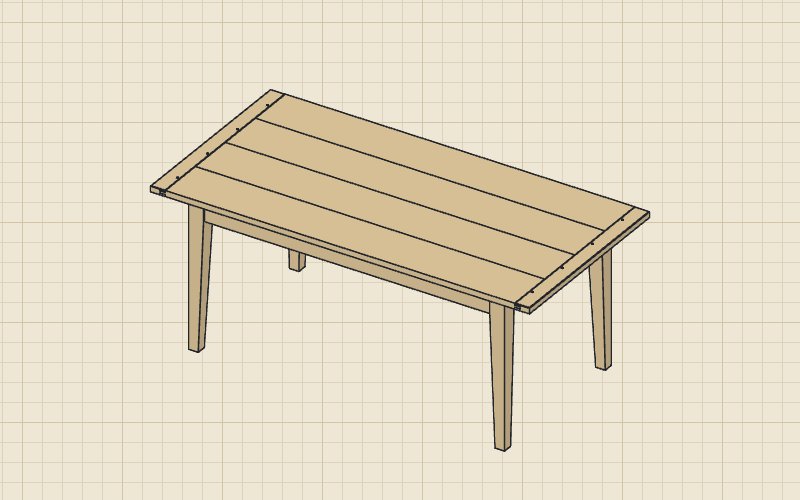
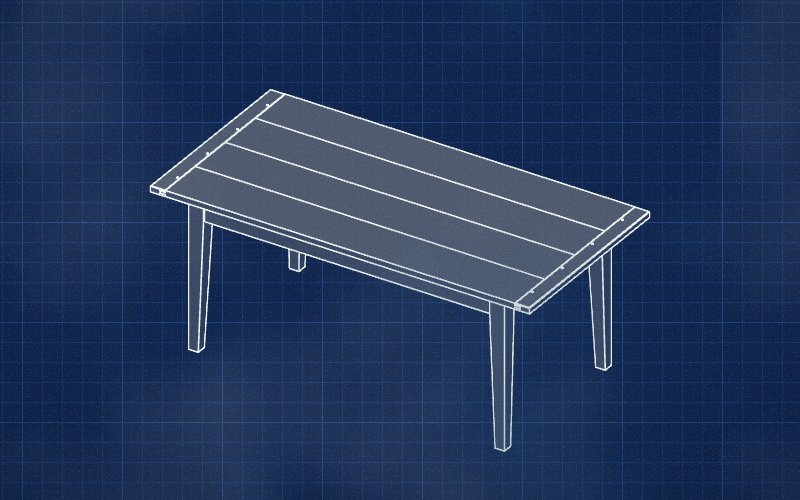
Dining Table for Six
70.9 × 35.4 × 29.1 in (1800 × 900 × 740 mm)
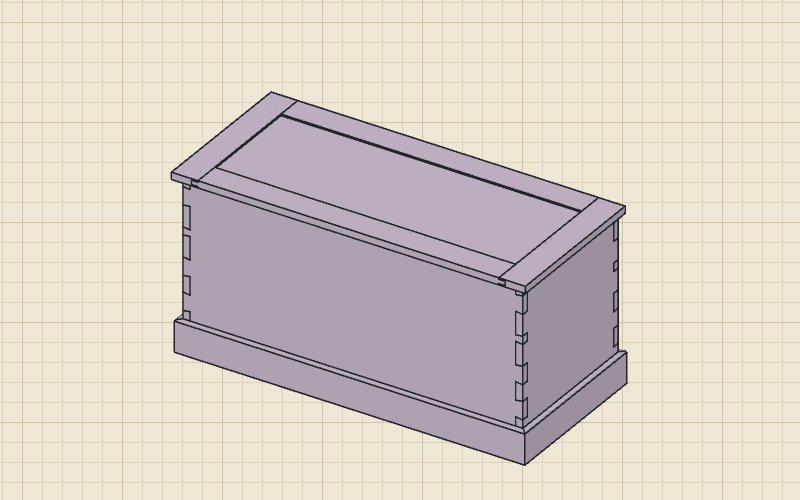
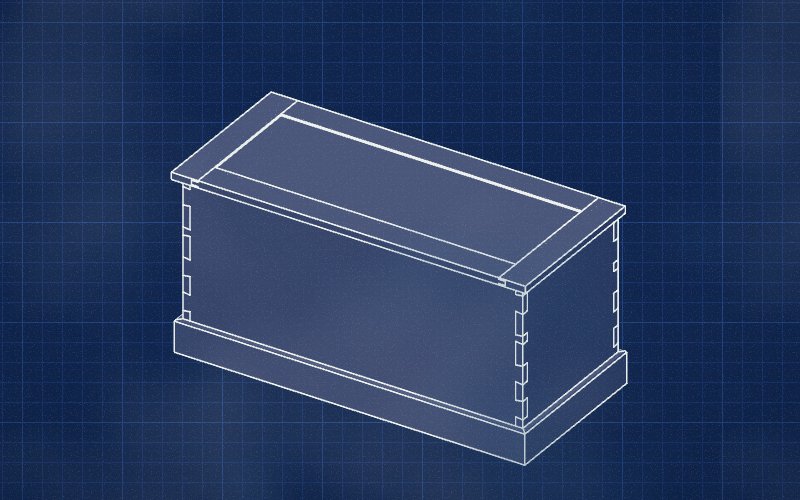
Dovetailed Blanket Chest
39.4 × 18.1 × 19.7 in (1000 × 460 × 500 mm)
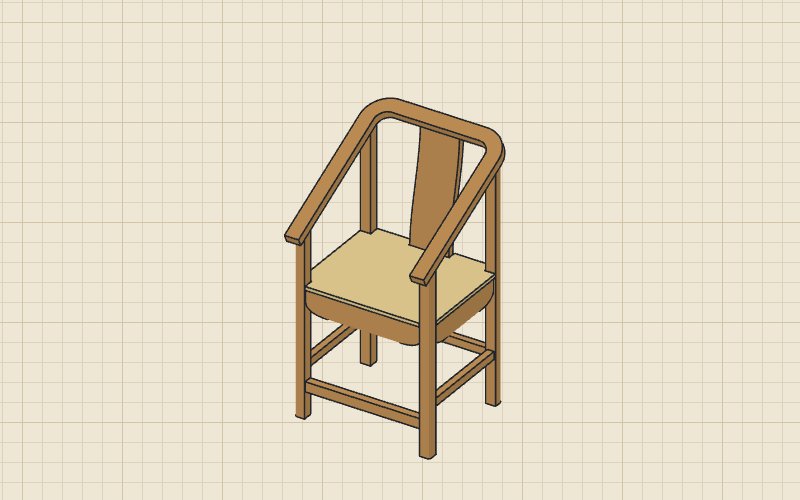
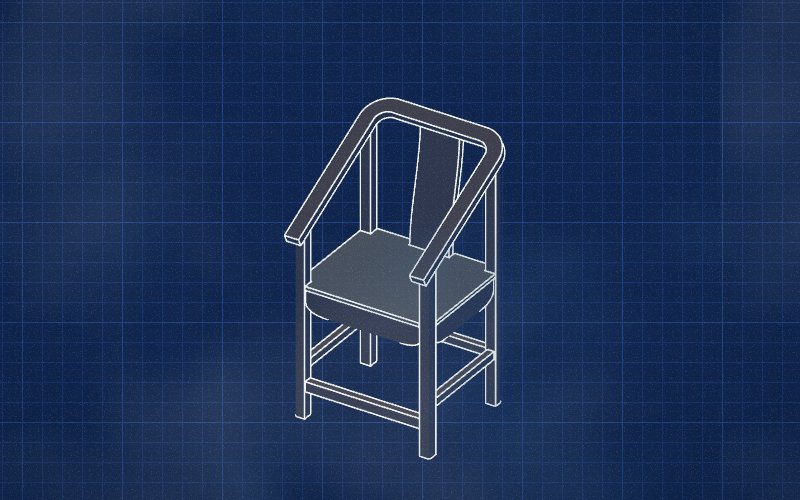
Ming Horseshoe Armchair
21.0 × 21.9 × 38.3 in (534 × 557 × 973 mm)
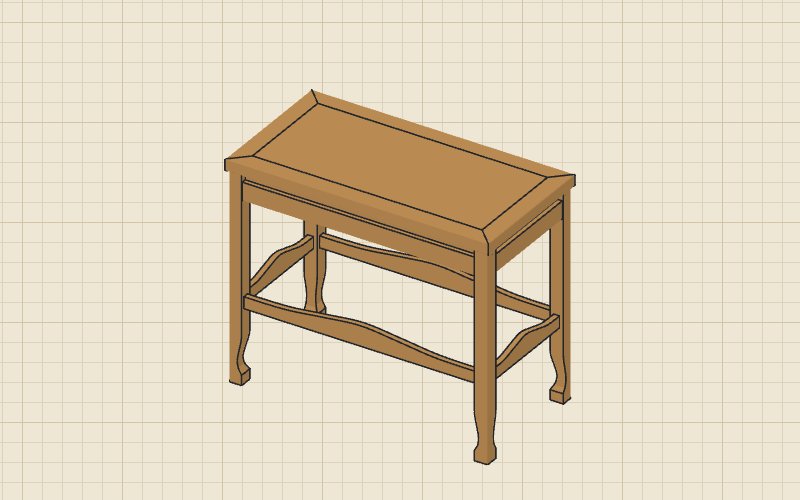
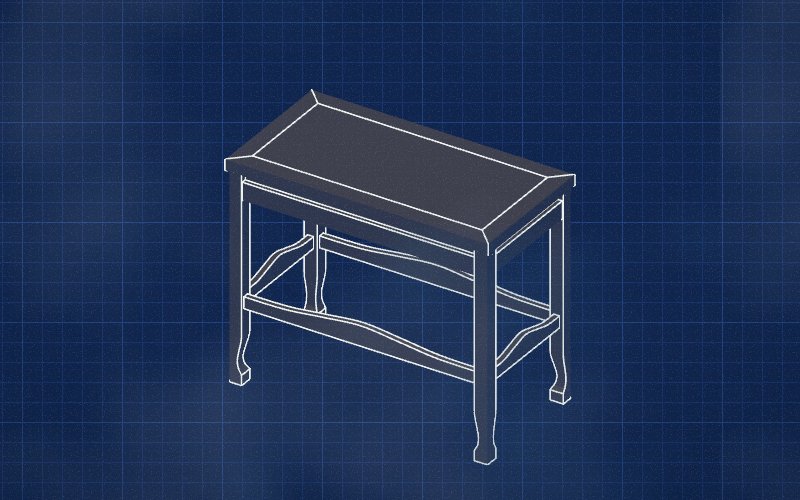
Ming Waisted Corner-Leg Table
39.4 × 20.5 × 32.7 in (1000 × 520 × 830 mm)