

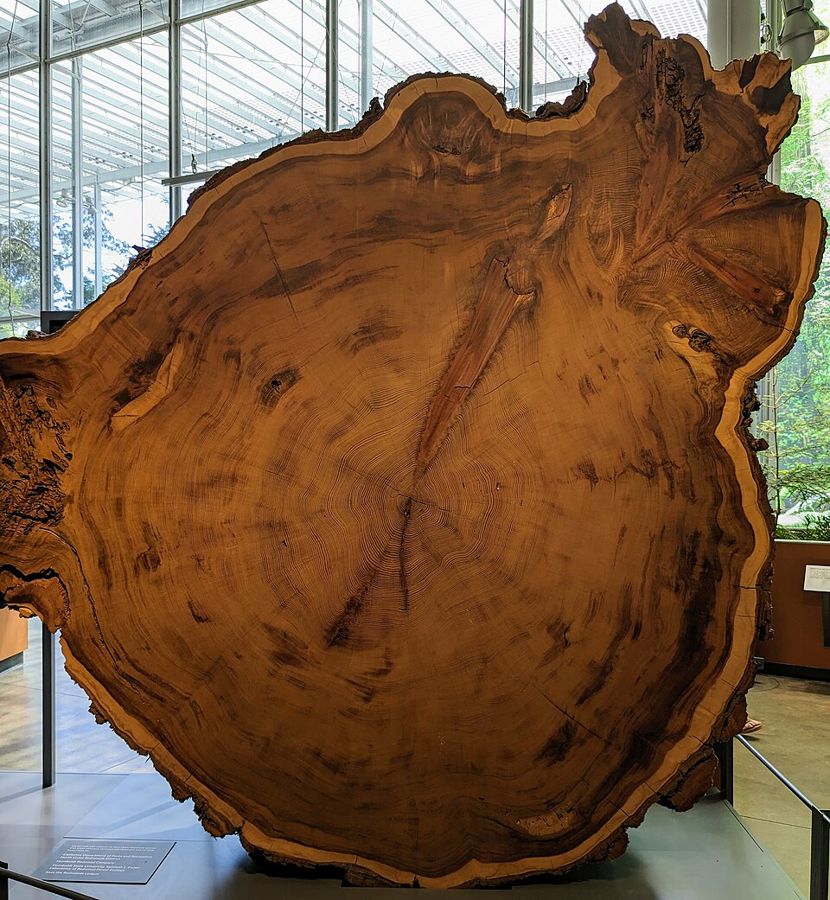

Overview
A light, red-brown, remarkably stable wood that resists rot and has long been the Californian choice for decks, fences and outdoor furniture. Clear, straight boards look elegant, and rare burl and curly figure is prized by turners and cabinetmakers.
Pros
- Moderately to very durable, with old growth more durable than second growth (Wood Database).
- Typically easy to work with hand and machine tools; glues and finishes well.
- Light (about 415 kg/m3) and very stable once dry.
- Striking colour and, in burl, spectacular figure.
Cons
- Soft (450 lbf): dents and scratches.
- Planer tear-out can occur on figured pieces (Wood Database).
- Reported as a sensitizer, with eye, skin and respiratory irritation.
- Mid to upper price for construction grades; clear and figured lumber costs much more.
Variants and subspecies
- Old growth vs second growth: old growth is denser and more durable, but scarce.
- Heart grades: all-heartwood boards are more durable; sapwood is pale.
- Burl (vavona) and redwood lace: figured pieces for turning, tables and veneer.
- Giant sequoia is a related but different tree, and brittle by comparison (Wood Database).
- Compare Bald cypress and Western red cedar.
Working and finishing
Planes and sands readily, but planer tear-out can occur on curly or irregular grain, so take light passes. Glues well. Use stainless steel or coated fasteners to avoid iron stains in tannin-rich wood. It is easy to finish.
Staining and finishing colour
Penetrating oils and UV-resistant finishes keep the red colour; left bare it weathers to silver grey. Tannins and extractives can bleed through light paints, so use a stain-blocking primer.
Sustainability and handling
Not CITES-listed (Wood Database; checked 2026-09-30). IUCN status as of 2026-09-30 is Endangered (Wood Database and Wikipedia agree), reflecting a population reduction of about 50 percent in three generations. Choose second-growth, certified or reclaimed lumber. The Wood Database reports it as a sensitizer with eye, skin and respiratory irritation, so use dust protection.
Popular projects
Decks, outdoor tables and benches, planters, fence and gate parts, panelling, turned and veneered burl pieces.
Buying notes
Sold as construction and clear heart grades. One 4/4 listing found, at $9.35 per bf (Doug White Hardwoods, accessed 2026-09); clear, figured and old-growth lumber is much more expensive. Look for kiln-dried, certified or reclaimed stock.
Typical projects
- outdoor furniture
- decks
- fencing
- planters
- turned burl pieces
- veneer panels
Finishes that suit this
Sources
Researched 2026-09-30. Prices, conservation status and CITES listings on this page are indicative and were checked on that date. They change: confirm them with your supplier, and with the relevant authority before importing or exporting.