


Overview
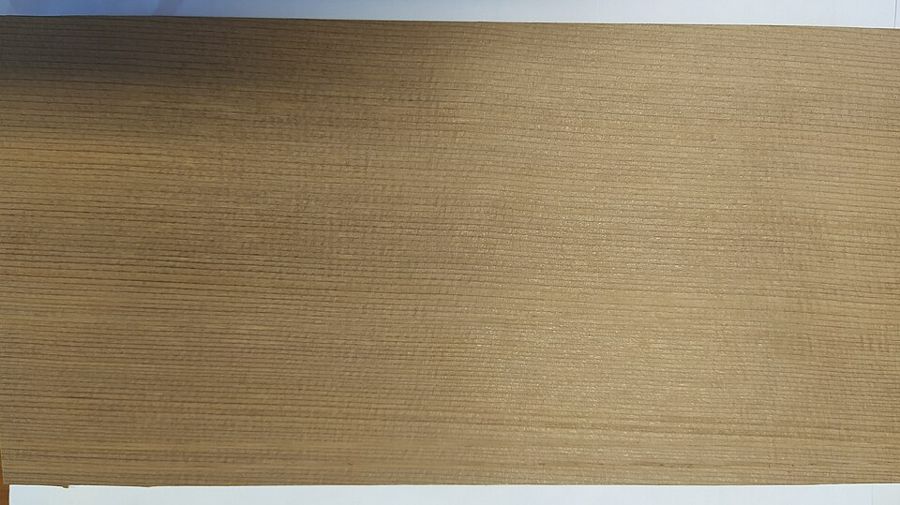
A light, fragrant, rot-resistant softwood with a warm red-brown colour and a straight, coarse grain. It is the default for cedar siding, shingles, fences, planters and outdoor furniture, and it is also a favourite for guitar soundboards. Pick it for any piece that will live outdoors and should weather gracefully.
Pros
- Durable to very durable against decay (Wood Database).
- Very light (about 370 kg/m3) and easy to work.
- Stable, with a pleasant smell and a handsome colour.
- Glues and finishes well.
Cons
- Very soft (350 lbf): dents and scratches very easily.
- Sands unevenly because earlywood and latewood differ in density (Wood Database).
- Iron-based fasteners stain and discolour it, especially in damp conditions (Wood Database).
- Contains plicatic acid, linked to allergic reactions and asthma.
Variants and subspecies
- Clear vertical grain: the premium stock for furniture, decking and instruments.
- Knotty: common for siding and fencing, cheaper.
- Heartwood vs sapwood: sapwood is paler and less durable.
- Compare Incense cedar, Northern white cedar and Alaska yellow cedar, which are other 'cedars' from different genera or the same family.
Working and finishing
Easy to cut and plane, but its softness means tear-out and crushed edges; keep tools very sharp and use backing boards. Use stainless or hot-dip galvanised fasteners; iron-based ones stain it. Cedar glues well, though oily boards benefit from a solvent wipe. Pre-drill to avoid splits.
Staining and finishing colour
Stains well and holds finish well, although the soft earlywood can absorb more than the latewood. For outdoor use, penetrating oils or semi-transparent stains work better than film finishes; left unfinished it weathers to a silvery grey. The red colour fades in sunlight unless protected by a UV-blocking finish.
Sustainability and handling
Not CITES-listed (Wood Database; checked 2026-09-30); IUCN Least Concern as of 2026-09-30. The Wood Database reports the wood and sawdust contain plicatic acid among other compounds, and these help explain a higher rate and severity of allergic reactions than other commercial woods. Use dust extraction and a respirator, particularly in production work.
Popular projects
Garden furniture, planters, raised beds, fences, siding and shingles, decks, boatbuilding, chests and guitar soundboards.
Buying notes
Sold in dimension sizes and as boards, with grades from knotty to clear vertical grain. Retail evidence: thewoodyard.com listed western cedar LNF 1x6 at $3.60 and 2x6 at $8.75 (unit not stated); Advantage Lumber priced select knotty 2x4 S4S at $3.30 per linear foot and 2x12 at $20.04. Higher grades of clear, vertical-grain stock cost more. For furniture choose kiln-dried; for outdoor use choose clear heartwood.
Typical projects
- outdoor furniture
- fences and planters
- siding and shingles
- decks
- chests
- guitar tops
Finishes that suit this
Sources
Researched 2026-09-30. Prices, conservation status and CITES listings on this page are indicative and were checked on that date. They change: confirm them with your supplier, and with the relevant authority before importing or exporting.