


Overview
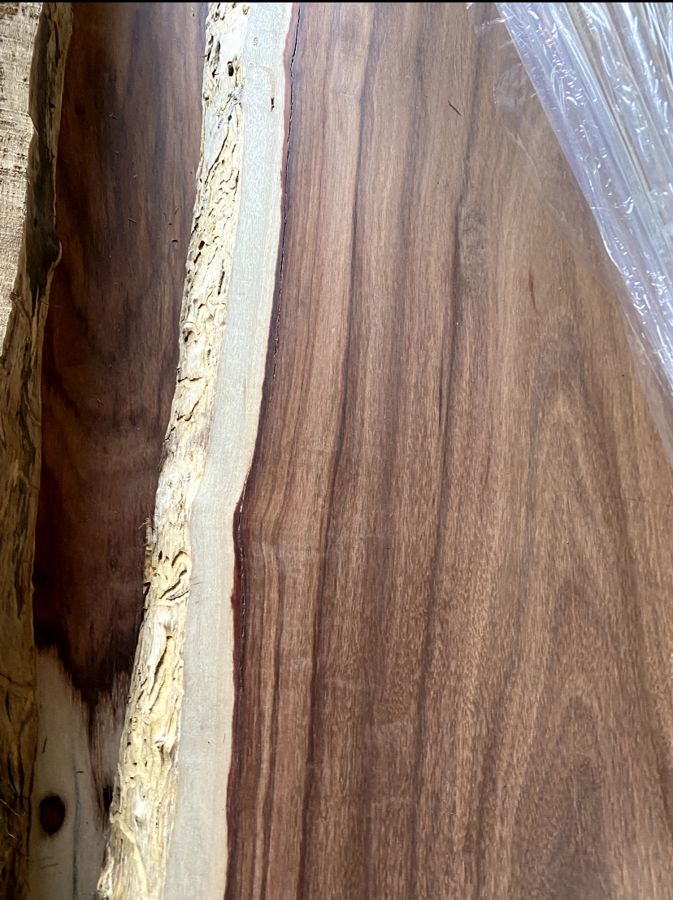
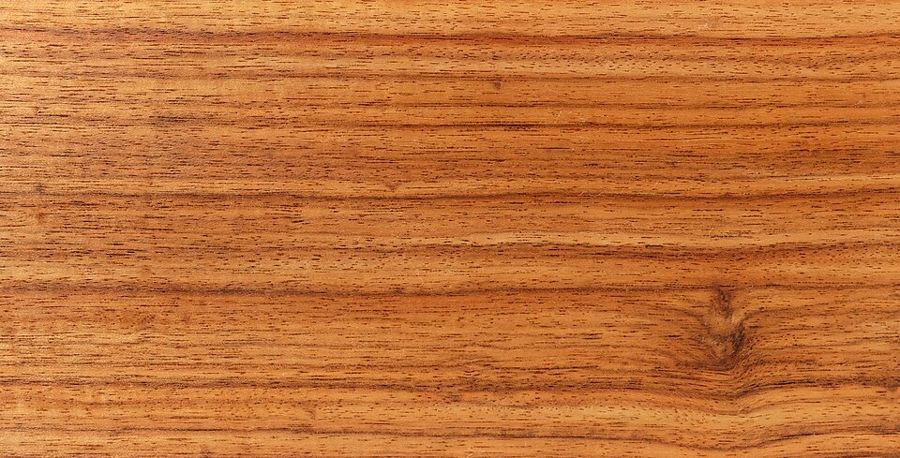
Granadillo here means Platymiscium, sold as macacauba, macawood, hormigo or orange agate: a bright red to purplish brown, often striped, hard, with a high natural polish. Wood Database notes the name 'granadillo' is applied to dozens of other species, so check the botanical name.
Pros
- Striking red-to-purple-brown colour, often with darker stripes.
- Janka 2,700 lbf, about 950 kg/m3.
- Durable to very durable with good insect resistance.
- Good working properties for its density; turns, glues and takes a very high polish.
- No health reactions reported beyond ordinary dust risks.
Cons
- Interlocked grain tears out if not approached with care.
- Platymiscium pleiostachyum is a CITES Appendix II species and Endangered (fewer than 2,500 mature individuals).
- Many dealers sell it under vague names, so identification is hard.
- Moderate to higher price.
- Colour varies from bright red to dark purple-brown.
Variants and subspecies
- Platymiscium spp.: macacauba or macawood (lumber), hormigo (turning and instruments), with 'hormigo negro' for darker and 'hormigo rojo' for orange pieces.
- Platymiscium yucatanum: what Bell sells as granadillo.
- Other 'granadillo': the name is also used for unrelated woods; see Bolivian rosewood (pau ferro) for a different, separately named wood.
Working and finishing
Care on interlocked grain; sharp tools and light cuts. It turns and glues well. It takes a very high natural polish, so a simple oil or wax finish is enough.
Staining and finishing colour
No stain needed. The red-to-purple colour deepens with oil. Clear finishes bring out the stripes.
Sustainability and handling
CITES: Platymiscium pleiostachyum only is in Appendix II, covering all parts including finished products (APHIS CITES Timber Manual; checked 2026-09-30). Wood Database reports the rest of the genus not listed. IUCN: P. pleiostachyum is Endangered with an estimated fewer than 2,500 mature individuals; the remaining species are unassessed. FSC availability is not verified here. The US Lacey Act makes it unlawful to trade wood taken or exported in breach of the source country's laws (fws.gov/law/lacey-act), so buy from dealers who can name the country and species. If a piece will be exported to or sold in the EU, Regulation (EU) 2023/1115 (the EUDR) requires due-diligence evidence that wood products are deforestation-free and legally produced; check its current application date with your buyer.
Ethical call: acceptable if the species is named and is not P. pleiostachyum. For comparable colour with fewer unknowns see Bolivian rosewood (pau ferro) or Bloodwood (satine). The US National Cancer Institute reports strong, consistent associations between wood-dust exposure and cancers of the nasal cavity and sinuses, so use extraction and a respirator when sanding.
Popular projects
Furniture, cabinetry, veneer, guitars and other instruments, turned objects and small specialty items.
Buying notes
Two retailers list 4/4 at $14.99 and $20.00 per board foot (September 2026), though the cheaper one does not name the species. Ask for the Latin name, and reject 'granadillo' offers that cannot supply it.
Typical projects
- furniture
- cabinetry
- veneer
- musical instruments
- turned objects
More pictures

Sources
- www.wood-database.com/macacauba
- www.bellforestproducts.com/exotic-lumber/prices
- www.woodworkerssource.com/lumber/exotic/Granadillo.html
- www.aphis.usda.gov/sites/default/files/cites.pdf
- www.fws.gov/sites/default/files/documents/CoP19%20timber%20outcomes...
- www.fws.gov/sites/default/files/documents/2026-01/ole-public-bullet...
- www.fws.gov/law/lacey-act
- eur-lex.europa.eu/eli/reg/2023/1115/oj
Researched 2026-09-30. Prices, conservation status and CITES listings on this page are indicative and were checked on that date. They change: confirm them with your supplier, and with the relevant authority before importing or exporting.