


Overview
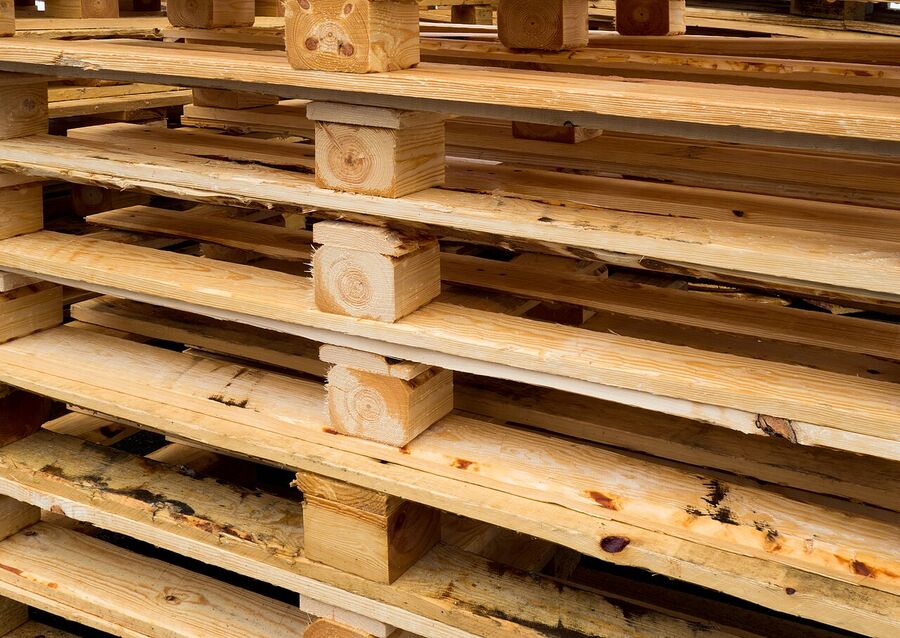
Pallet wood is the boards and blocks of shipping pallets, taken apart and reused for furniture and decor. It is free or nearly so, comes in odd short lengths, and gives the rough, weathered look of Reclaimed lumber without the dealer markup. It is a hobbyist and upcycling material rather than a furniture timber: quality, species and history vary board to board, and some pallets should not be used at all.
Pros
- Free or very cheap, and plentiful.
- Often hardwood: Wikipedia says pallet production accounts for 43 percent of US hardwood use.
- Rustic character; suits shelves, planters and outdoor-style pieces.
- Low guilt: a waste stream turned into something useful.
Cons
- Contamination risk: pallets can carry spilled chemicals, food residue and bacteria.
- Treatment is not always visible; some are fumigated with methyl bromide.
- Hidden nails and staples, and stubborn, brittle, split boards from dismantling.
- Small pieces, mixed species and rough faces make work slow and wasteful.
Variants and subspecies
- Block and stringer pallets: block pallets are sturdier and made for heavier loads; stringer pallets are lighter (Penn State Extension).
- Species: pine from the South and oak from Pennsylvania, plus other hardwoods and the odd tropical wood (Penn State).
- New single-use pallets: unused pallets for one-off shipments are the cleanest source, per 1001pallets.
- Stamped versus unstamped: stamped ISPM 15 pallets can be checked; unmarked ones cannot.
Working and finishing
Dismantle with a pry bar or reciprocating saw cut through the nails rather than hammering boards apart, and metal-detect before milling. Expect to sand heavily, joint or plane only after cleaning grit off, and to discard split ends. Boards are thin and short, so edge-glue into panels or use them for cladding. Pine and oak machine like their regular counterparts.
Staining and finishing colour
Stains and weathering are uneven, so surfaces vary. Sand to clean wood, then use oil, wax or paint. Dark stains hide the mix of species. Any residue of oil or chemicals can bleed through finishes; if a board smells or looks oily or discoloured, throw it out rather than finish it.
Sustainability and handling
The treatment stamp matters. Under ISPM 15, HT means heat treated to at least 56 C (133 F) for at least 30 minutes; MB means methyl bromide fumigation (Wikipedia). Earth911 advises using pallets with an HT stamp and avoiding unmarked ones or those stamped MB. Penn State Extension says relatively few pallets are chemically treated, but that pallets crossing borders need a stamp even when no chemical was used. 1001pallets adds that if there are any spills of oil, food or unknown substances, you should not use the pallet. Wikipedia and Earth911 both note risks of bacterial and chemical contamination. Use dust extraction and gloves.
Popular projects
Garden planters and compost bins, wall shelves, benches, coffee tables, headboards and clad feature walls: projects where the roughness is the look and the stakes are low.
Buying notes
Usually sourced rather than bought: ask businesses, garden centres and appliance or motorcycle dealers, whose single-use crates can be clean and new. Choose HT or DB stamped pallets (heat treated or debarked) with no stains or odour. Avoid MB, unmarked pallets, anything that carried chemicals or food, and pallets from unknown sources for indoor furniture or anything that touches food.
Typical projects
- shelves
- planter boxes
- benches
- headboards
- pallet-wall cladding
- rustic tables
Sources
Researched 2026-09-30. Prices, conservation status and CITES listings on this page are indicative and were checked on that date. They change: confirm them with your supplier, and with the relevant authority before importing or exporting.