


Overview
Teak is the benchmark outdoor furniture wood: golden brown, oily, stable and very durable. It is moderate in hardness and easy to live with, and it is why the word "teak" is stamped on a great deal of garden furniture. Almost all of what is sold today is plantation-grown. Its history of overexploitation in Myanmar is the main thing to understand before buying.
Pros
- Rated very durable by the Wood Database, with a high natural oil content; a standard wood for decking, boats and garden furniture.
- Plantation teak performs on par with old-growth on stability, according to Wikipedia, although it shows more colour change in UV light.
- Grain is generally straight, and Janka hardness is a modest 1,070 lbf, so it is not punishing to handle.
- Needs no finish outdoors; it weathers to silver grey.
Cons
- Silica content of up to 1.4% (Wood Database) blunts cutters quickly. Use carbide and expect to sharpen often.
- Oils resist glue and finish unless you wipe the surface with solvent immediately beforehand.
- Wood Database lists it as a reported sensitizer; dust can irritate skin and eyes.
- Expensive: $18.75 to $32 per board foot for plantation 4/4, and more for wide or long boards.
- Natural-forest teak, especially from Myanmar, carries real legal and ethical risk (below).
Variants and subspecies
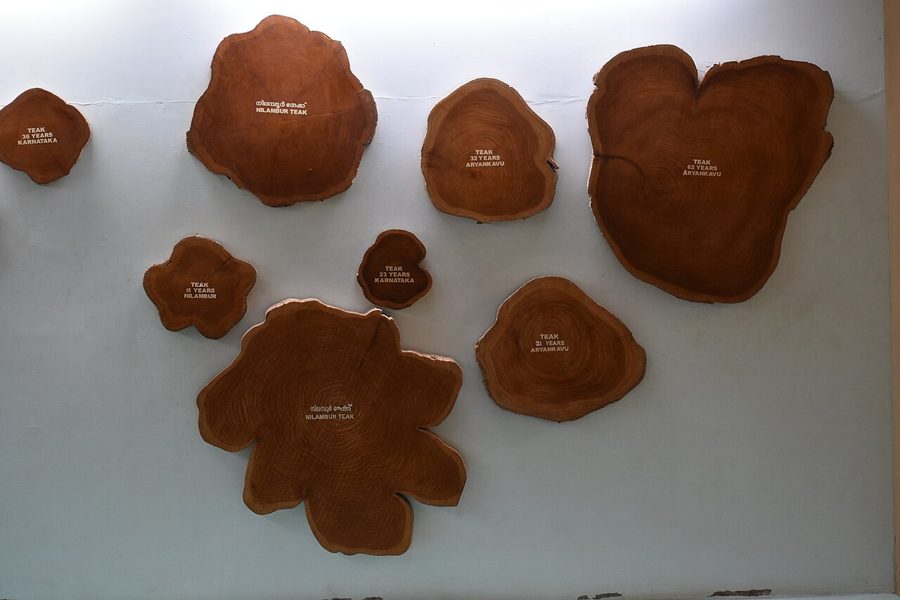
- Plantation teak: the bulk of the market, from Indonesia (including the state forestry company Perum Perhutani), India (Nilambur, Kerala, has the world's oldest plantation) and tropical plantations elsewhere. This is the grade the price above reflects.
- Natural-forest or "Burma" teak: the traditional premium grade. Myanmar banned exports of wild-grown teak logs in 2014 (Wikipedia). See sustainability, and treat any offer of "old-growth Burma teak" with suspicion.
Working and finishing
Teak cuts cleanly but wears tools: carbide-tipped blades are worth it. Grain is straight and the texture coarse, with an oily feel. Wipe the surface with a solvent such as acetone immediately before gluing, to remove surface oil. The Wood Database notes a leather-like scent when worked. Wear a dust mask.
Staining and finishing colour
Teak is rarely stained. The oils block penetration and heartwood colour varies from golden to dark brown, with darker streaks; left outdoors it weathers to silver grey. A teak oil or UV-blocking sealer slows the change but needs re-coating. Plantation teak can change colour more than old-growth under UV.
Sustainability and handling
IUCN Red List: Endangered (assessment published 2022; the Wood Database page still says it is not on the Red List, so that page is out of date). Not listed in the CITES Appendices (text valid from 5 March 2026; checked 2026-09). Wikipedia reports that Myanmar banned export of wild-grown teak logs in 2014, that illegal logging has surged since the 2021 coup, and that the US, EU, Canada, Switzerland and the UK banned the government-owned Myanma Timber Enterprise in April 2021, with the sanctions evaded through brokers. About 95% of Myanmar's teak enters China overland. Under the US Lacey Act (16 U.S.C. 3372), it is unlawful to trade plants taken in violation of foreign law, which can apply to illegally logged teak. The EU deforestation regulation covers wood and furniture, applying from 30 December 2026 for large and medium operators (EC, checked 2026-09). Buy plantation teak with FSC certification and a named country of origin; Wikipedia notes that FSC certifies teak products. Plantation teak is a good ethical choice; Myanmar natural-forest teak is a poor one.
Popular projects
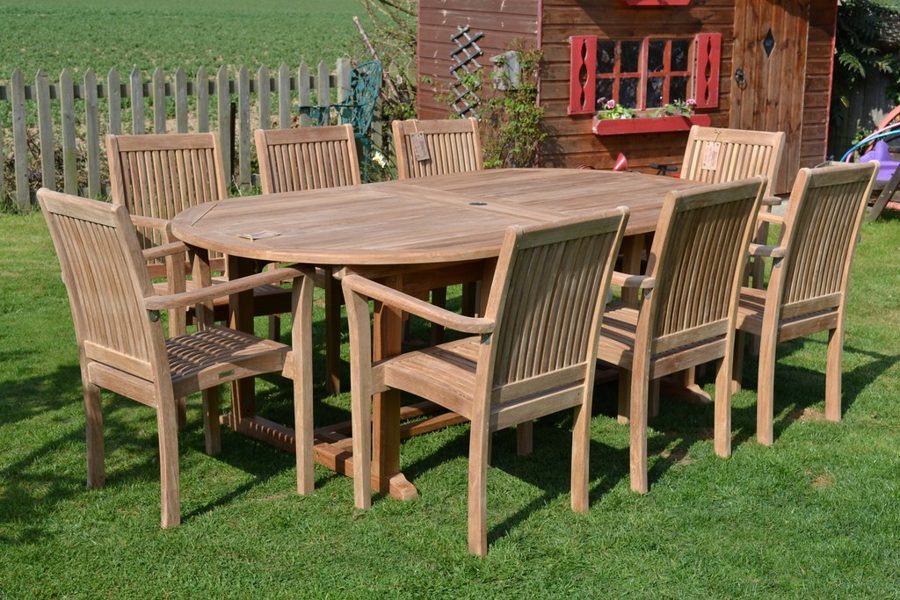
Outdoor tables and benches, boat decks and trim, shower seats, bathroom slatted mats, kitchen worktops and cutting boards. These are places where water resistance and low maintenance justify the price.
Buying notes
Sold as 4/4 to 8/4, usually rough and sometimes surfaced; shorts and narrow boards are cheaper. Ask for the country of origin and the grower or certification, and pass on anything described as Burma teak without paperwork. For another South Asian timber with a very different, darker character, see Sheesham. Teak sold as "teak-faced" plywood or veneer is a different product.
Typical projects
- outdoor furniture
- boat decking
- shower benches and bath mats
- workbench and kitchen counters
- cutting boards
Finishes that suit this
- Teak oil
- Degreasing oily woods
- Marine and boat finishing
- Outdoor finishing
- Teak and oily wood outdoor care
- Finishing schedules by species
Finishes to avoid
More pictures

Sources
- www.wood-database.com/teak
- en.wikipedia.org/wiki/Tectona_grandis
- en.wikipedia.org/wiki/Myanma_Timber_Enterprise
- doi.org/10.2305/IUCN.UK.2022-2.RLTS.T62019830A62019832.en
- cites.org/eng/app/appendices.php
- www.law.cornell.edu/uscode/text/16/3372
- environment.ec.europa.eu/topics/forests/deforestation/regulation-de...
- www.bellforestproducts.com/exotic-lumber/prices
- goosebaylumber.net/wood/teak
- www.thewoodvault.com/products/4-4-rough-cut-plantation-teak-lumber
Researched 2026-09-30. Prices, conservation status and CITES listings on this page are indicative and were checked on that date. They change: confirm them with your supplier, and with the relevant authority before importing or exporting.