

Sheraton
History
The Sheraton style takes its name from Thomas Sheraton (1751–1806), a designer whose influence came not through furniture he built but through a book: The Cabinet-Maker and Upholsterer's Drawing-Book, issued in parts starting in 1791 and reaching a first complete edition by 1793, which attracted around six hundred subscribers within the trade. The style flourished in England from about 1790 into the 1810s, and crossed to America as a strand of the Federal style from roughly 1795 to 1820, taking hold in cabinetmaking centers such as Boston, Salem, New York, Baltimore and Philadelphia.
Sheraton furniture continues the neoclassical style established by Hepplewhite but pulls it in a more vertical, linear direction, preferring the square chair back to Hepplewhite's shield and oval shapes, and the turned, reeded leg to the plainer square taper. The style was also known for its ingenuity: dressing tables, work tables and writing desks built with hidden fittings and mechanical conveniences were very much part of its character, reflecting Sheraton's own interest in furniture as clever design as much as decorated object.
Elements
Sheraton furniture reads as crisp, vertical and delicate. Its forms are built from rectangles with rounded or canted corners, outset turret corners rising over the legs of card tables, sideboards and chests, and bow or serpentine fronts carried over from earlier neoclassical work. Legs are turned, reeded or fluted, tapering down to a small turned foot and typically finished near the top with rings, beads and a collar below a square block where the apron joins — on chairs, the front legs are usually turned and reeded while the rear legs stay square and raked. Chair backs are square in outline, with a straight or gently broken crest rail often carrying a raised central tablet above an urn-shaped splat, vertical colonnettes, lattice or banister work.
Ornament centers on reeding — the style's signature carved detail, a row of convex parallel beads running down legs, posts and edges — with concave fluting used as its alternative. Surfaces are built from contrasting veneers: satinwood, mahogany, rosewood and figured maple panels set off with cross-banding and stringing, sometimes carrying marquetry of shells, urns or musical trophies. Carving stays shallow and is reserved mainly for crest tablets and the reeded details themselves, finished off with brass rosette or lion-mask pulls and casters, and a French-polished surface.
Construction technique follows the visual logic closely. Legs are turned between centers with a square block deliberately left at the top to take the apron mortises, and their reeds are cut by hand or with a scratch stock or router guided by an indexing jig while the lathe is locked at regular divisions. Card tables use a hinged top leaf riding on a fly or pivoting rear leg, with aprons sometimes laminated or built up in layers to achieve a serpentine curve before veneering. Chairs are joined throughout with mortise and tenon, their square backs assembled from crest, stiles and cross rail with splat members tenoned in between, while case pieces rely on dovetailed carcasses, veneered faces and cockbeaded drawer edges.
Leaders in this style: historical designers and makers whose work inspired it (inspired by, not reproduced):
Designs
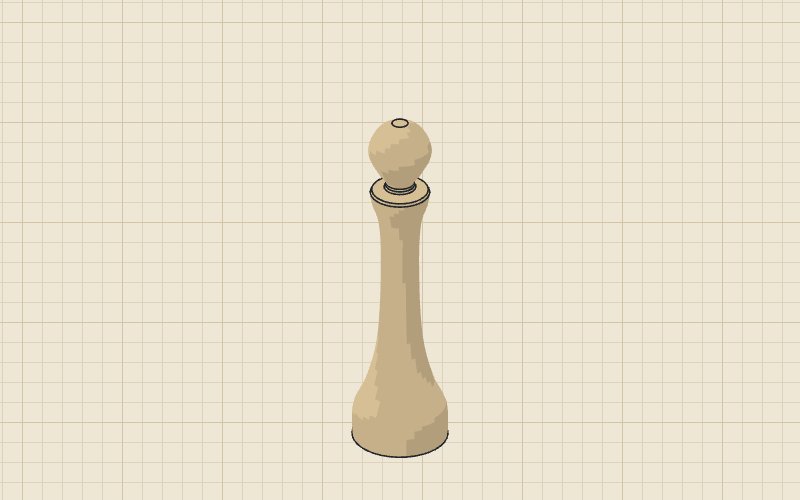

Chess Pawn
0.5 × 0.5 × 1.8 in (12 × 12 × 45 mm)
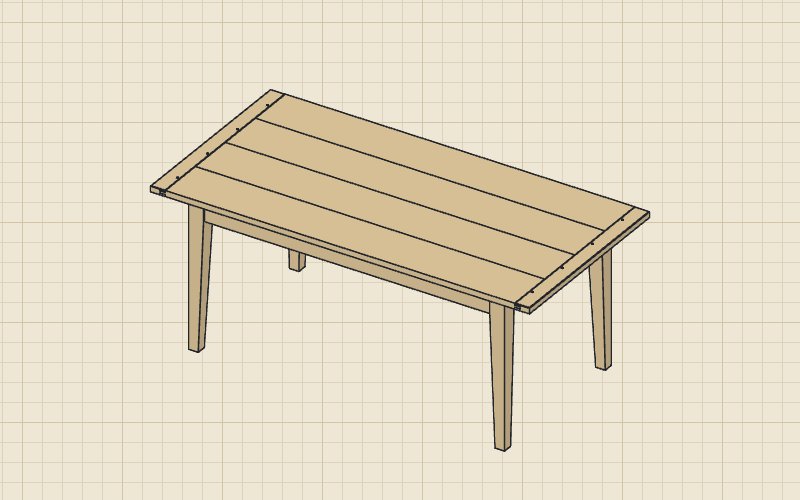
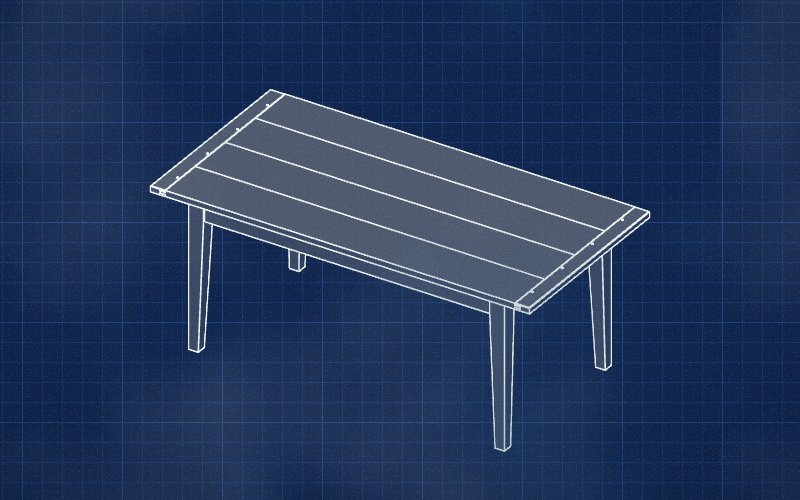
Dining Table for Six
70.9 × 35.4 × 29.1 in (1800 × 900 × 740 mm)
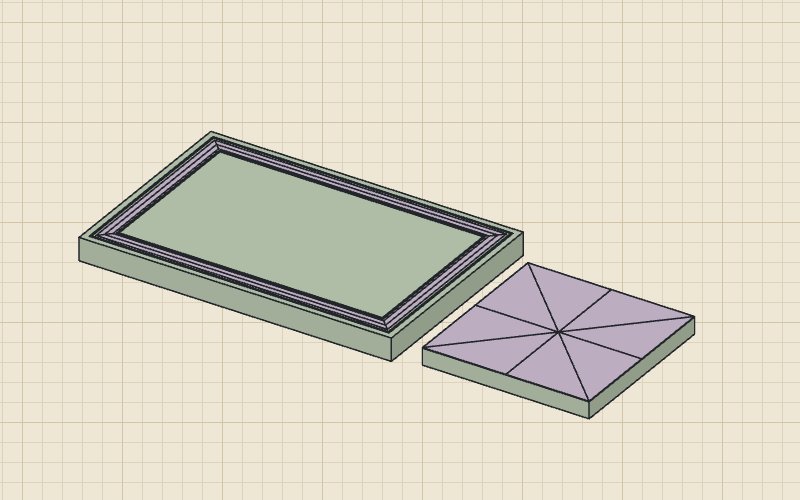
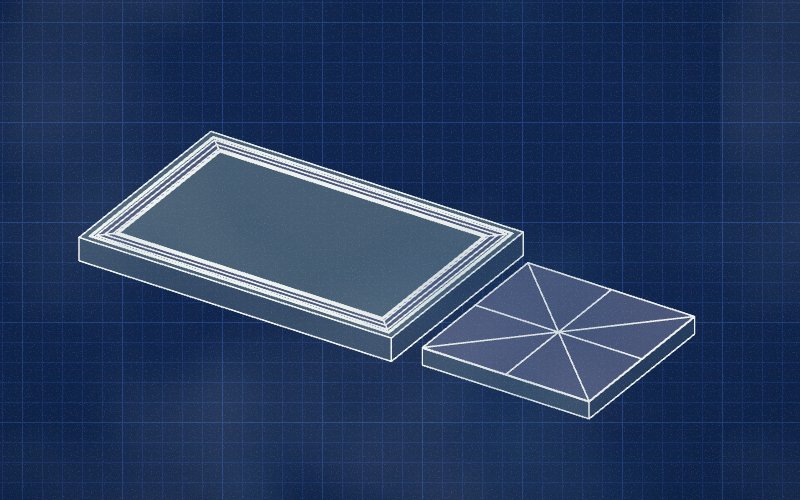
Inlaid Tray
19.3 × 7.9 × 0.9 in (490 × 200 × 23 mm)
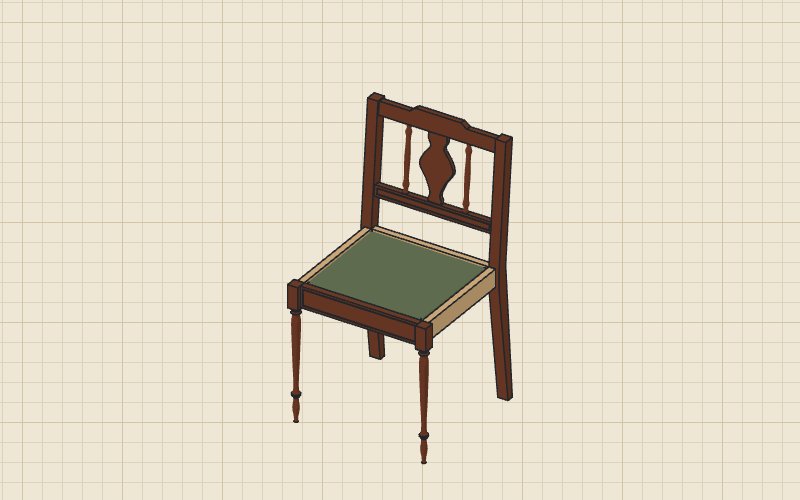
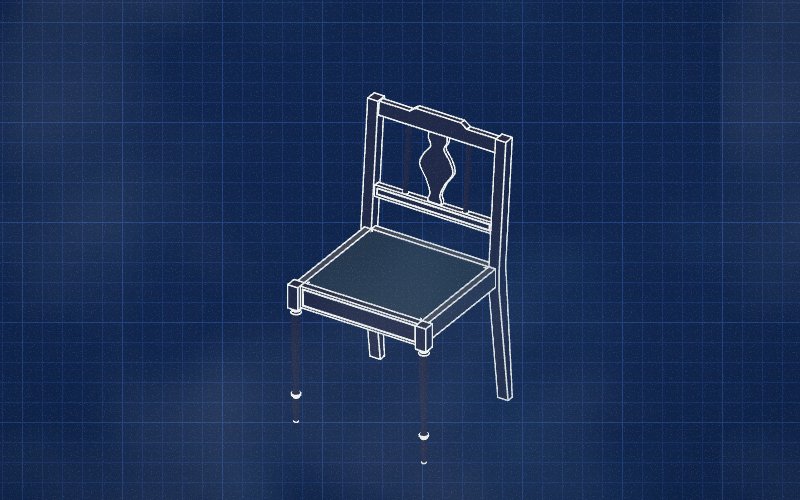
Square-Back Side Chair
18.1 × 17.9 × 33.9 in (460 × 455 × 861 mm)
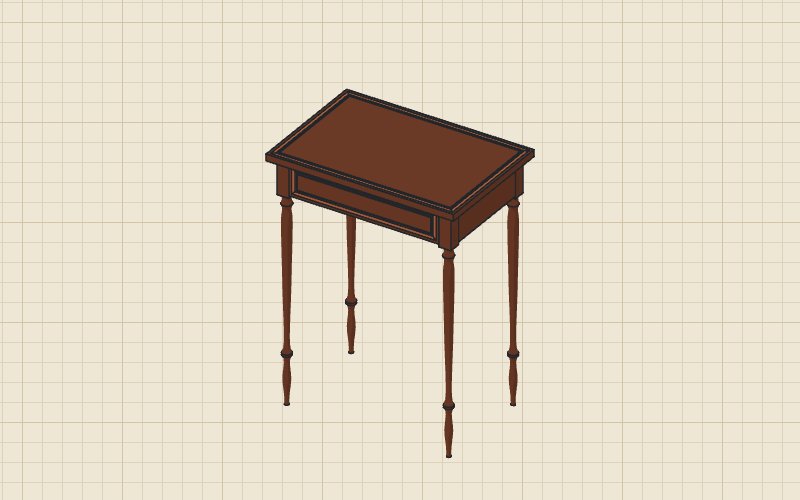
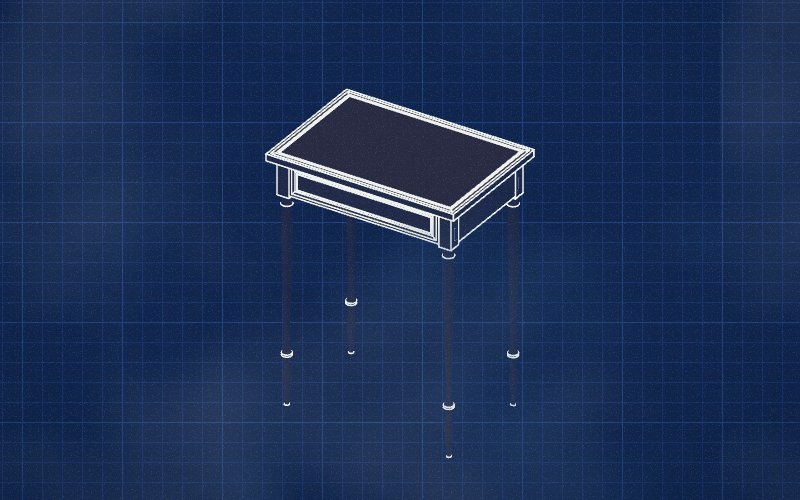
Turned-Leg Work Table
22.0 × 15.0 × 29.1 in (560 × 380 × 740 mm)
Hardware for this style
Hinges, pulls, fasteners and other hardware that guides to this style name.
- Hinges
- Back-flap hinge Butt hinge
- Casters
- Cup caster