

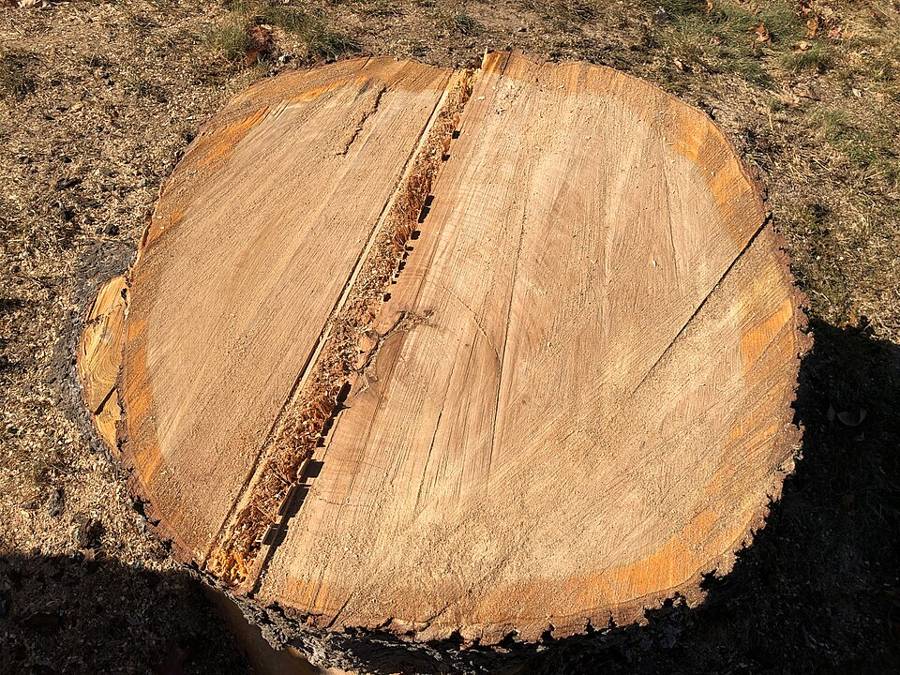

Overview
Black cherry (Prunus serotina) is the traditional American "cherry" furniture wood: fine, even-textured, light pinkish brown when cut and darkening to a rich reddish brown with age. The Wood Database calls it one of the best all-around woods for workability, and puts it with black walnut as a premier American cabinet hardwood. Pick it for a warm, smooth look that deepens over decades.
Pros
- Excellent workability: stable, straight-grained and machines well.
- Fine, even texture with moderate natural lustre; takes a clear finish beautifully.
- Develops a reddish-brown patina with age, which stains on other woods try to imitate.
- Heartwood is rated very durable.
- Moderate Janka hardness of 950 lbf and about 560 kg/m3 dried: easy on tools, tougher than pine and poplar.
- Reasonably low shrinkage movement (3.7% radial, 7.1% tangential).
Cons
- Staining can look blotchy; the Wood Database recommends a sanding sealer or gel stain.
- Sapwood is common and can mean high wastage.
- Not typically used outdoors, even though the heartwood is durable.
- Mid-to-upper price for a domestic hardwood.
- Breathing the sawdust has been associated with wheezing.
- Colour shifts: new boards look pale and pinkish next to old ones.
Variants and subspecies
- Plain black cherry: the standard grade.
- Curly or figured cherry: a curly-grain variant listed at one yard at $5.35/bf, similar to plain stock.
- Gum pockets / "gummy" cherry: a grade with resin or gum streaks; one yard lists it at $5.49/bf against $4.50 for regular cherry.
- Sapwood: pale yellow, sold within boards.
- Not sweet cherry: the Wood Database stresses black cherry should not be confused with Prunus avium, the European fruit tree. It says the many cultivars of P. avium are considered fruit trees and are not nearly as widely used for lumber. For another dark domestic wood see Black walnut.
Working and finishing
Wood Database describes black cherry as one of the best all-round woods for workability: stable, straight-grained and machine-friendly. Cutting gives a mild, distinctive scent. It glues well and takes a clear finish well.
Staining and finishing colour
Heartwood starts light pinkish brown and darkens to medium reddish brown with exposure to light, as the Wood Database notes; it suggests exposing it to direct sun to speed the process. The usual trouble is stain: it can come out blotchy, so use a sanding sealer before staining or choose a gel stain. Many makers skip stain and apply oil or varnish, letting the wood colour itself.
Sustainability and handling
The Wood Database reports black cherry as not listed in the CITES Appendices (checked 2026-09-30) and as Least Concern on the IUCN Red List. US-grown timber is still covered by the Lacey Act, which as amended in 2008 prohibits trade in plants and timber taken, possessed, transported or sold in violation of law (Wikipedia's summary of the Act); buy from dealers who can name the source. It also reports that breathing black cherry sawdust has been associated with respiratory effects such as wheezing. The Wood Database's wood-dust article treats wood dust in general as an irritant or sensitizer and notes that fine dust can cause cumulative lung damage, so extract at the source and wear a respirator when sanding or machining.
Popular projects
Cabinets, dining tables, desks, chests of drawers and bedroom suites, interior millwork, flooring, turned objects and small specialty pieces; the Wood Database lists cabinetry, fine furniture, flooring, interior millwork, veneer and turned objects.
Buying notes
Lumber and veneer are in adequate supply. List prices run from about $4.50 to $6.75 per board foot, kiln-dried, with the wide range reflecting grade and seller. Specify sapwood tolerance if you want mostly heartwood. Buy matching boards for one piece, since colour varies and the wood changes over time. Ask for gummy or curly stock separately if you want it.
Typical projects
- cabinets
- dining tables
- chests of drawers
- bedroom furniture
- flooring
- turned objects
Finishes that suit this
- Boiled and raw linseed oil
- Mineral oil for cutting boards
- Polymerized linseed oil (stand oil)
- Walnut oil and other food oils
- Danish oil
- Oil and wax blends
- Beeswax and carnauba
- Paste wax
- Ebonizing
- Lye and chemical staining
- Glaze and antiquing glaze
- Alcohol and oil-soluble dye stain
- Water-soluble dye stain
- Gel stain
- Water-based pigment stain
- Furniture polish and finish revivers
- Brush application
- French polish and padding
- Rubbing out a finish
- Wipe-on application
- Finishing schedules by species
- Tabletop finish schedules
Finishes to avoid
Hardware that suits this
Sources
- www.wood-database.com/black-cherry
- www.wood-database.com/wood-articles/wood-dust-safety
- en.wikipedia.org/wiki/Lacey_Act_of_1900
- crlumber.com/price-list
- www.johnsoncreekhardwoods.com/price-list-1
- dougwhitehardwoods.com/hardwoods
- countryconcepts.com/hardwood-softwood-prices
- www.kunzcarpentry.com/hardwood_lumber.html
- www.thewoodyard.com/current-pricing-list
Researched 2026-09-30. Prices, conservation status and CITES listings on this page are indicative and were checked on that date. They change: confirm them with your supplier, and with the relevant authority before importing or exporting.