


Overview
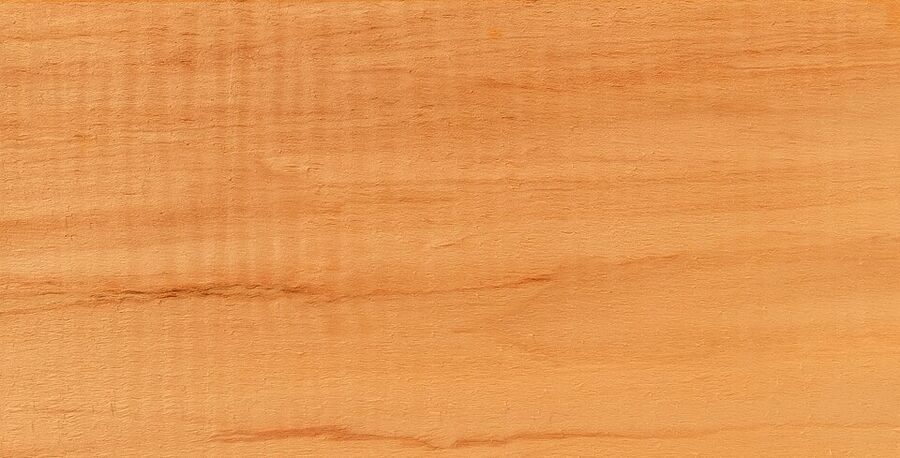
Horse chestnut (Aesculus hippocastanum) is a pale, light, fine-textured wood that is creamy white to yellowish brown. It is not related to the true chestnut (Castanea); Wood Database relates it to the American yellow buckeye. It is easy to work but soft, with a tendency to fuzzy surfaces. Choose it as a light, plain timber for turning, interior trim and veneer, rather than hardwearing furniture.
Pros
- Pale, creamy colour with fine, even texture.
- Generally easy to work, glues and finishes well (Wood Database).
- Light (about 500 kg/m3) with a Janka hardness of 820 lbf.
- Wood Database lists veneer, furniture, plywood, interior trim and turned objects among its uses.
- Prices should be moderate in Europe.
Cons
- Soft, so it dents easily.
- Wavy or interlocked grain and low density can lead to fuzzy surfaces, like aspen or cottonwood.
- Poor decay resistance: non-durable to perishable, so indoor use only.
- Not regularly available in North America; availability is likely limited to Europe.
- No shrinkage figures are published; Wood Database says values are most likely very similar to yellow buckeye.
Variants and subspecies
- Horse chestnut (A. hippocastanum): the species covered here.
- Japanese horse chestnut (A. turbinata) is a related species in cultivation; Wood Database notes ripple marks distinguish it from horse chestnut on flatsawn surfaces.
- Not a chestnut: the true chestnut timber is Castanea. See American chestnut and Japanese chestnut (kuri).
- Easily mistaken for other pale European woods such as aspen, lime or crack willow; compare with European lime.
Working and finishing
Wood Database: generally easy to work, but low density and interlocked grain can give fuzzy surfaces, so use sharp cutters. It glues and finishes well.
Staining and finishing colour
The pale, even colour takes clear finishes well. Wood Database does not report staining behaviour, so trial stain on an offcut before committing.
Sustainability and handling
Wood Database reports horse chestnut is not CITES-listed but is on the IUCN Red List as Vulnerable, because fewer than 10,000 mature trees remain in the native Balkan range and the population is declining. That assessment covers only the native populations, not the cultivated trees found worldwide; timber is likely to come from planted trees. No health effects beyond the standard dust risks have been associated with it. EU traders should note the EU Deforestation Regulation (30 December 2026 for large and medium operators). US imports need a Lacey Act plant declaration (16 USC 3372(f)).
Popular projects
Veneer, furniture, plywood, interior trim and turned objects (Wood Database).
Buying notes
In the UK it is sold as single boards from specialist sawyers. Dry stock matters because of its poor decay resistance. Outside Europe, treat it as a special-order timber.
Typical projects
- veneer
- furniture
- plywood
- interior trim
- turned objects
Sources
Researched 2026-09-30. Prices, conservation status and CITES listings on this page are indicative and were checked on that date. They change: confirm them with your supplier, and with the relevant authority before importing or exporting.