


Overview
Kapur is a rose-to-reddish-brown tropical hardwood from Borneo and neighbouring forests, used for exterior joinery and construction. It is durable, reasonably stable and sometimes mistaken for keruing. It is also the most ethically awkward timber in this family: it comes from slow-growing old forest and has a long history of illegal logging.
Pros
- Durable (Timber Development UK rates it durable) and well suited to exterior joinery.
- Moderately hard and heavy, about 770 kg/m3 on average; fairly straight grain.
- Dries fairly well with only slight warp and check.
- Takes nails, screws, stain and polish satisfactorily.
Cons
- Old-growth sourcing: Wikipedia notes the trees are often 250 to 1,000 years old when logged, often illegally. Some organisations advise consumers to avoid kapur altogether.
- Dulling of cutting edges varies from lot to lot (silica is present).
- Camphor-like odour when fresh may bother some people.
- Not commonly stocked in US lumberyards (I found no US list price).
Variants and subspecies
Dryobalanops species are sold together as kapur: D. aromatica, D. beccarii, D. fusca, D. lanceolata and D. oblongifolia are named by Timber Development UK. Weight varies by origin: Malaysian kapur about 790 kg/m3, Sarawak and Sabah about 750, Indonesian 590 to 830. The trade names Sarawak and Sabah kapur denote origin, not a separate species. Superficially it resembles keruing, but kapur has continuous gum ducts in concentric lines filled with white resin (see Keruing).
Working and finishing
Works moderately well with hand and machine tools, slightly better than the average run of keruing according to Timber Development UK. Keep cutters sharp to avoid raised grain. ITTO notes that dry timber is less easy to saw than green because of silica. Takes nails and screws. Expect a camphor-like smell when sawing fresh wood.
Staining and finishing colour
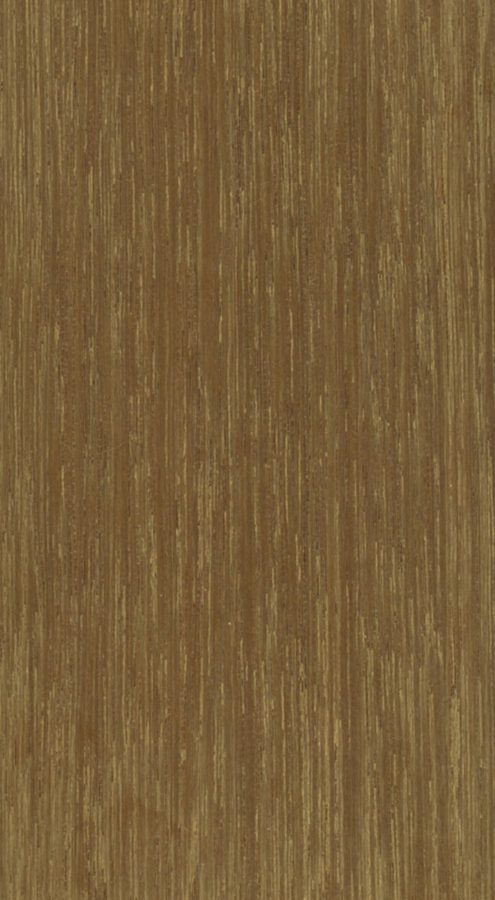
Takes stain and polish satisfactorily. The wood starts light rose-red and deepens to reddish brown on exposure, so test a sample before committing to a stain colour.
Sustainability and handling
Not CITES-listed (Cirad Tropix sheet; statuses checked 2026-09). That is not reassurance. Wikipedia states that kapur is logged from old-growth forest, often illegally, and that most traded species are on the IUCN Red List, with D. fusca critically endangered. The species pages disagree in detail: D. aromatica is listed Vulnerable, while D. lanceolata, D. beccarii and D. oblongifolia show Least Concern on Wikipedia. I could not open the Red List itself, so the CR badge here is the worst case in the group. Wikipedia reports FSC's view that certified tropical hardwood can help counter deforestation, but I did not find a certified US supply, and Lacey Act and EUDR duties were not researched. Treat kapur as a poor choice unless certified; for durable exterior joinery see Jarrah. Dust irritates, so extract it.
Popular projects
Exterior joinery and construction timber. In a US furniture shop you are unlikely to meet it.
Buying notes
Janka hardness here is derived: ITTO gives 567 kgf for D. sumatrensis at 12% moisture, about 1,250 lbf, and I did not find a Wood Database figure; other sources I saw gave conflicting numbers, so treat it as approximate. No US retail list price was found. If a supplier sells "kapur", ask for species, origin and certification, and consider a certified alternative.
Typical projects
- exterior joinery
- construction timber
Sources
Researched 2026-09-30. Prices, conservation status and CITES listings on this page are indicative and were checked on that date. They change: confirm them with your supplier, and with the relevant authority before importing or exporting.