


Overview
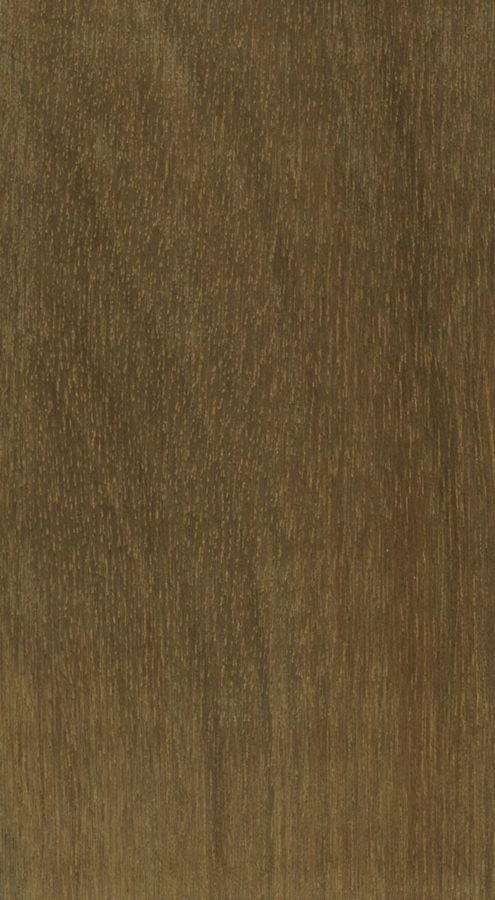
Makore (Tieghemella heckelii, with T. africana or douka) has pink to reddish-brown heartwood, sometimes mottled or curly, and a wide yellowish sapwood. It is very durable and has been sold as cherry mahogany. Wood Database says it is not closely related to the mahogany family.
Pros
- Pink to reddish-brown colour; figured stock (mottled, curly) is common.
- Very durable and resistant to insect attack.
- Generally easy to work.
- Janka 1,200 lbf, about 685 kg/m3.
- Used for furniture, cabinetry, flooring, boats and instruments.
Cons
- IUCN Endangered, from a population reduction of over 50% in three generations.
- Interlocked grain tears out; pronounced blunting effect on cutters.
- Reacts with iron and stains.
- Reported to cause eye, throat and skin irritation, headache, giddiness and central nervous system and blood effects.
- Figured boards are costly (one board works out to about $40 a board foot).
Variants and subspecies
- Tieghemella heckelii: the main species.
- T. africana (douka): used interchangeably.
- Cherry mahogany: a trade name; not related to the cherry or mahogany families.
- Substitute: Sapele or domestic Black cherry.
Working and finishing
Use carbide tools on its blunting grain, and light cuts on interlocked grain. Use brass or stainless fixings.
Staining and finishing colour
Colour deepens with age. Not usually stained; clear finishes show the mottling and curl.
Sustainability and handling
CITES: not listed (Wood Database; APHIS CITES Timber Species Manual, checked 2026-09-30). IUCN: Endangered (Wood Database). FSC availability is not verified here. The US Lacey Act makes it unlawful to trade wood taken or exported in breach of the source country's laws (fws.gov/law/lacey-act), so buy from dealers who can name the country and species. If a piece will be exported to or sold in the EU, Regulation (EU) 2023/1115 (the EUDR) requires due-diligence evidence that wood products are deforestation-free and legally produced; check its current application date with your buyer.
Ethical call: a poor choice given the Endangered status; use Sapele or Black cherry for similar tones. Health: reported eye, throat and skin irritation, headache, giddiness and central nervous system and blood effects. The US National Cancer Institute reports strong, consistent associations between wood-dust exposure and cancers of the nasal cavity and sinuses, so use extraction and a respirator when sanding.
Popular projects
Veneer, plywood, furniture, cabinetry, flooring, boatbuilding, musical instruments and turned objects.
Buying notes
Sold as lumber and veneer. Plain lumber prices were not found, so the lower figure is an estimate; a figured 4/4 board at Exotic Lumber works out to about $40.60 a board foot (September 2026).
Typical projects
- furniture
- cabinetry
- veneer
- flooring
- boatbuilding
- musical instruments
- turned objects
Sources
Researched 2026-09-30. Prices, conservation status and CITES listings on this page are indicative and were checked on that date. They change: confirm them with your supplier, and with the relevant authority before importing or exporting.