


Overview
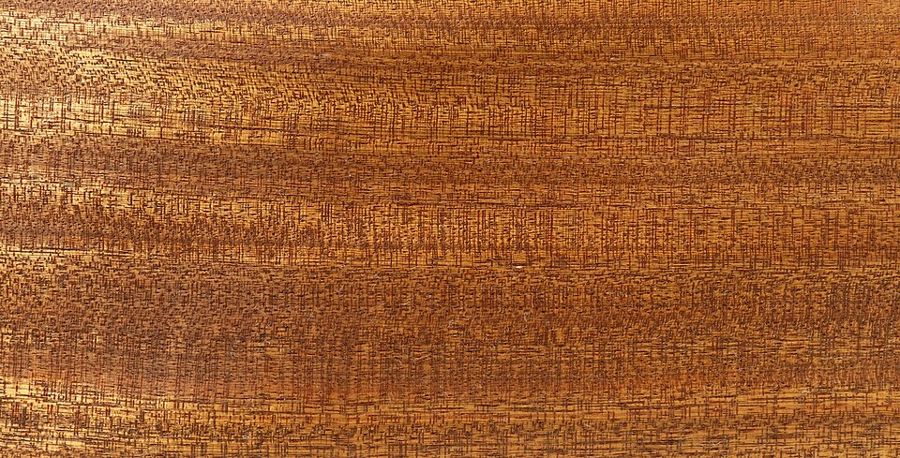
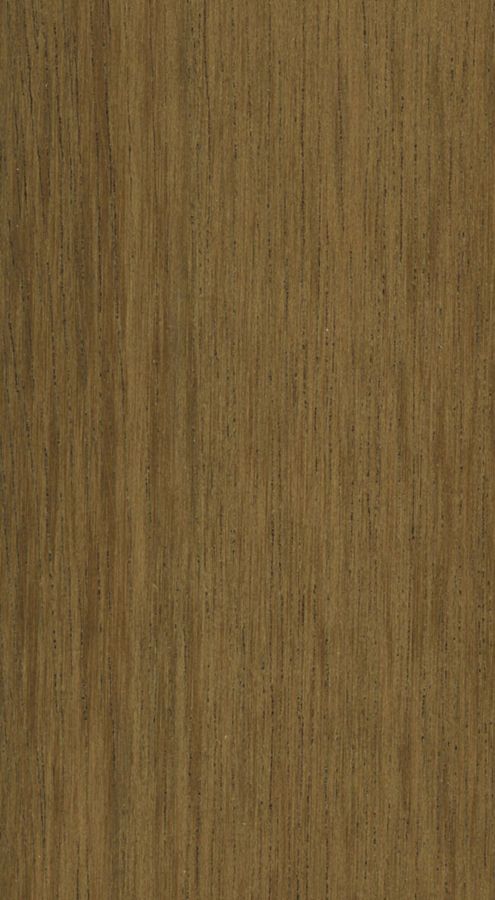
Sipo, or utile (Entandrophragma utile), is a golden to reddish-brown wood in the mahogany family, plainer than sapele and easier to work. It has a fairly well-defined pale sapwood. It is sold as sipo mahogany or simply sipo.
Pros
- Generally easy to work with hand and machine tools; turns, glues and finishes well.
- Moderately durable to durable, with moderate insect resistance.
- Janka 1,180 lbf, about 635 kg/m3.
- Moderate shrinkage (4.9% radial, 6.9% tangential).
- Generally lacks the busy figure of sapele, which suits plain furniture.
Cons
- Tear-out on interlocked quartersawn areas.
- Reported to cause skin irritation.
- IUCN Vulnerable.
- Less commonly stocked at US retailers than sapele.
- A mahogany look-alike, not a true mahogany.
Variants and subspecies
- Entandrophragma utile: the one commercial species.
- Look-alikes: Sapele (more figure), African mahogany (khaya) (lighter) and Honduran mahogany (the true Swietenia).
- Wood Database notes the epithet 'utile' just means useful and is shared with unrelated species.
Working and finishing
Easy overall; use sharp knives and light cuts on interlocked quartersawn areas. It turns, glues and finishes well.
Staining and finishing colour
Stains evenly enough for a mahogany tone, though usually finished clear. The pale sapwood contrasts with the golden to reddish-brown heartwood, so sort or trim it out.
Sustainability and handling
CITES: not listed (Wood Database; APHIS CITES Timber Species Manual, checked 2026-09-30). IUCN: Vulnerable on a population reduction of over 20% in three generations (Wood Database). FSC availability is not verified here. The US Lacey Act makes it unlawful to trade wood taken or exported in breach of the source country's laws (fws.gov/law/lacey-act), so buy from dealers who can name the country and species. If a piece will be exported to or sold in the EU, Regulation (EU) 2023/1115 (the EUDR) requires due-diligence evidence that wood products are deforestation-free and legally produced; check its current application date with your buyer.
Ethical call: reasonable with known origin. Health: skin irritation reported. The US National Cancer Institute reports strong, consistent associations between wood-dust exposure and cancers of the nasal cavity and sinuses, so use extraction and a respirator when sanding.
Popular projects
Furniture, cabinetry, doors, windows, boat parts and flooring.
Buying notes
Less common at US retail than sapele, so the price in the front matter is an estimate. Ask dealers to name the species.
Typical projects
- furniture
- cabinetry
- doors and windows
- boatbuilding
- flooring
More pictures

Sources
Researched 2026-09-30. Prices, conservation status and CITES listings on this page are indicative and were checked on that date. They change: confirm them with your supplier, and with the relevant authority before importing or exporting.