

Federal
History
Federal furniture is the neoclassical style of the newly formed United States, made roughly between 1780 and 1820 in the major port cities of Boston and Salem, Newport and Providence, New York, Philadelphia, Baltimore, and Charleston, with rural workshops carrying its forms further still. American cabinetmakers worked from the published designs of the English Hepplewhite and Sheraton pattern books, adapting them into distinct regional dialects that can often be told apart by their inlay, turning, and veneer work.
The style's light, linear look reflected a deliberate choice about how furniture should look. Its bright surfaces of contrasting veneers, its ovals and geometric restraint, and its patriotic eagle motifs echoed the new republic's self-image as heir to Greek democracy and the Roman republic. In Baltimore, this civic symbolism found its most colorful expression in painted 'fancy' furniture and reverse-painted glass panels, produced in shops like the Finlay brothers' from around 1800 to 1830.
Elements
The Federal eye is drawn to flat, veneered surfaces with crisp edges, ovals and circles set into panels, and serpentine, bow, or D-shaped fronts on new forms like the sideboard and the lady's tambour writing desk. Furniture stands on one of two kinds of leg — square and tapered, sometimes ending in a spade foot, or turned and reeded — while case pieces often rest on splayed French feet flowing from a shaped, inlaid skirt. Chair backs take shield, oval, or square forms carved with urns, drapery, feathers, or the eagle itself.
Inlay is the style's true signature: stringing and banding in holly, satinwood, and ebony; chains of bellflowers running down legs in patterns that vary by city; fans, paterae, conch shells, and urns worked into contrasting figured veneers of mahogany, flame birch, and satinwood. Construction favors dovetailed carcases and cockbeaded, half-blind dovetailed drawers, with tambour doors — thin slats glued to canvas — sliding in grooves on the smaller writing desks. Oval stamped-brass pulls and a shellac finish complete the look.
Leaders in this style: historical designers and makers whose work inspired it (inspired by, not reproduced):
Designs
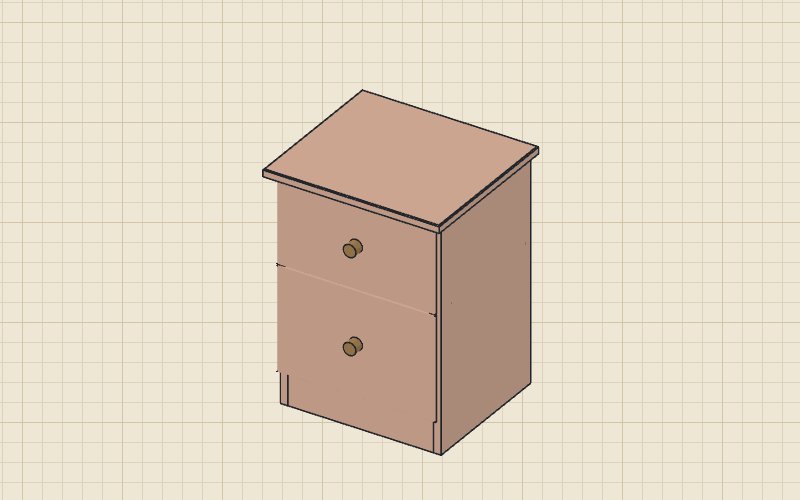
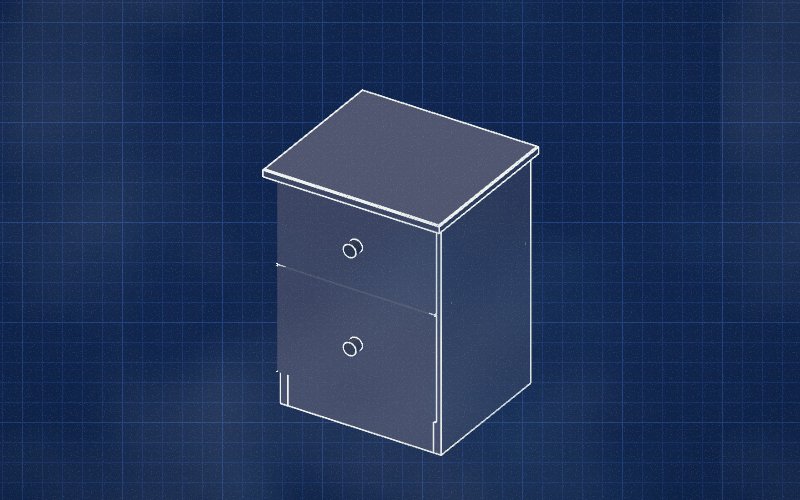
Bedside Cabinet
17.7 × 16.0 × 23.6 in (450 × 406 × 600 mm)
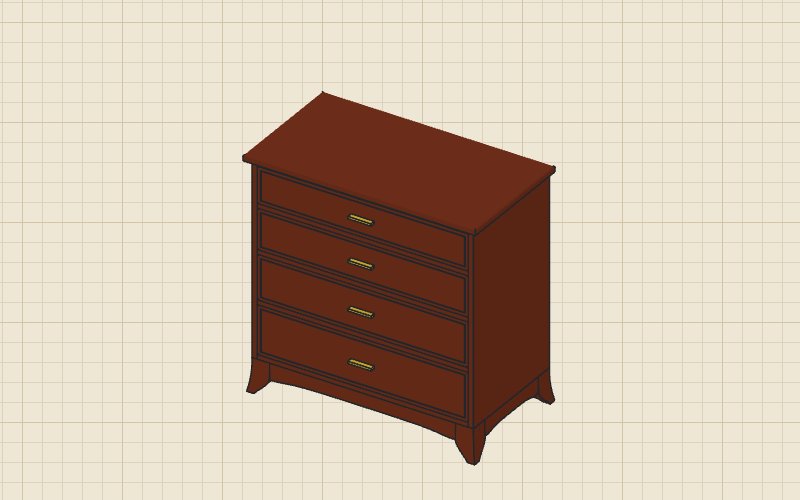
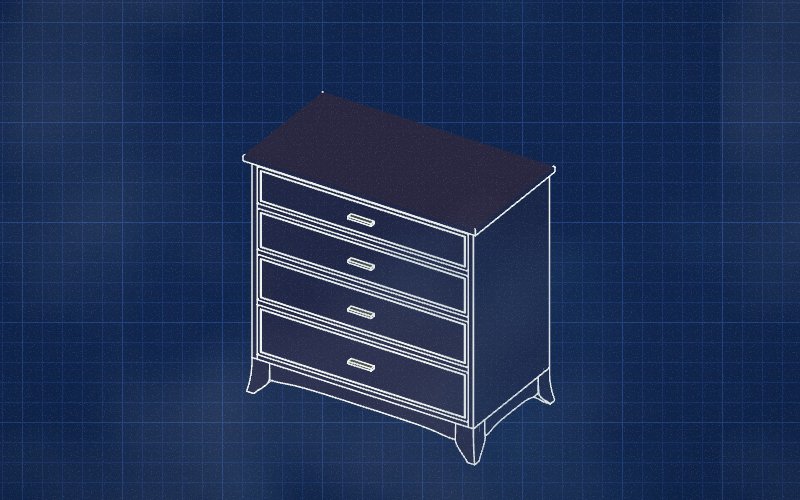
Federal Chest of Drawers
39.4 × 21.8 × 39.4 in (1000 × 554 × 1000 mm)
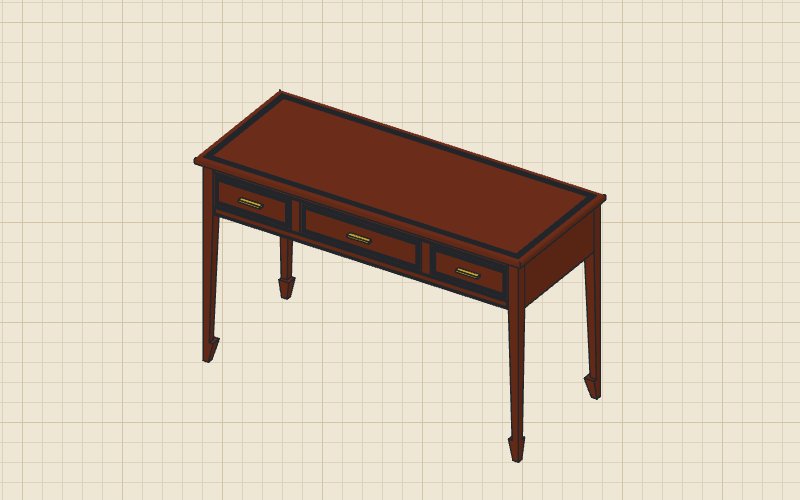
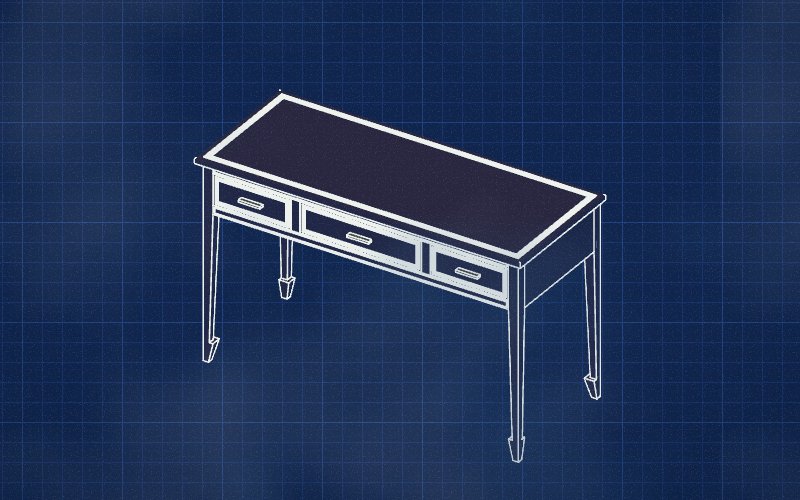
Federal Tapered-Leg Sideboard
59.1 × 24.4 × 36.2 in (1500 × 620 × 920 mm)
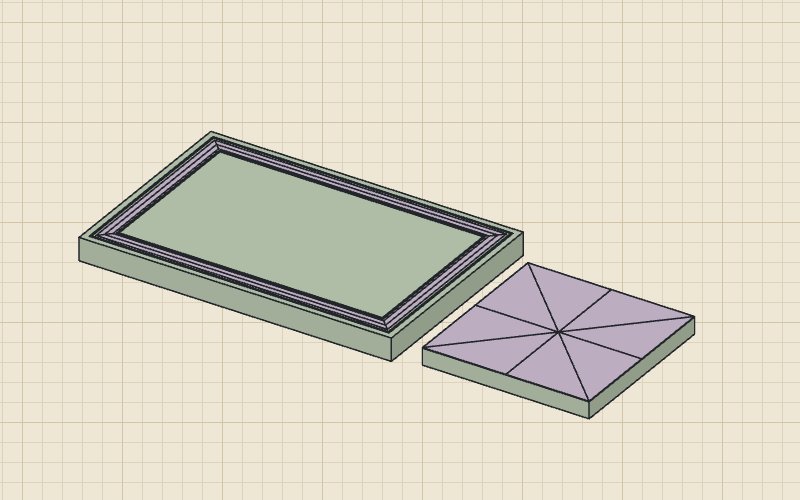
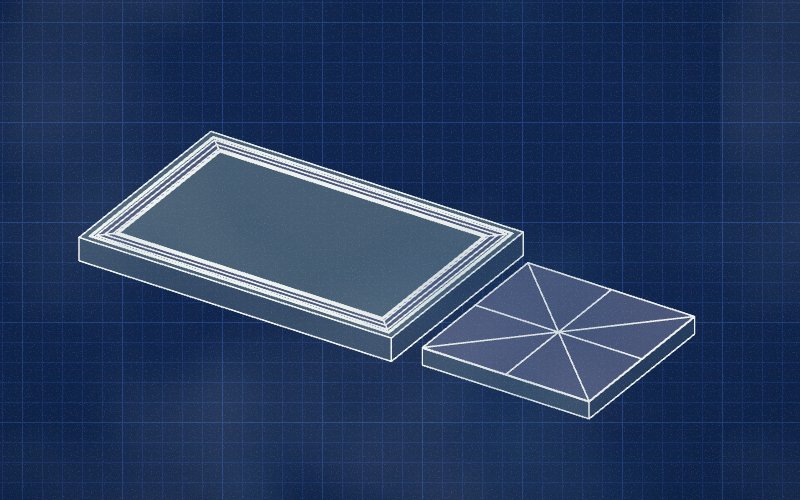
Inlaid Tray
19.3 × 7.9 × 0.9 in (490 × 200 × 23 mm)
Hardware for this style
Hinges, pulls, fasteners and other hardware that guides to this style name.
- Hinges
- Back-flap hinge
- Pulls and escutcheons
- Escutcheon (keyhole plate)
- Locks
- Cabinet and chest lock
- Casters
- Cup caster