

Quiet Minimal
History
This style gathers two related strands of recent furniture-making, from roughly 1980 to the present, that pare a piece down to its necessary parts. One strand comes from artists and designers working internationally: Donald Judd's box furniture in pine and plywood, beginning with his Chair 84 in 1982, and a British designer's Plywood Chair of 1988, famously cut from a sheet with a jigsaw because that was the only tool he had on hand. This strand makes furniture that is plainly built from boards and sheets and does not disguise that fact.
The second strand is a recent interiors movement combining Scandinavian and Japanese sensibilities, centered on Denmark and Japan, merging Scandinavian comfort and functionalism with Japanese restraint and the wabi-sabi acceptance of natural texture. The 2019 Kinuta collection, a collaboration between the Japanese manufacturer Karimoku and the studios Norm Architects and Keiji Ashizawa Design, gave the combination a named form, bringing Danish and Japanese design together in one line of furniture.
Elements
Forms are low, horizontal and generous in plan but slim in section — boxes, slabs and simple frames where nothing exists that does not carry load or hold something. Legs are square or round, set in from the ends and sometimes splayed; plinths are recessed behind the case front so the whole piece appears to hover above a shadow line. Tabletops are detailed to look thinner than they are, with a bevel worked into the underside and only a small arris or roundover on top, while exposed end grain and a clean through-tenon can serve as the only visible joinery detail. Case pieces favor flush, handle-less doors and drawers, opened by a finger-pull bevel or a routed groove rather than applied hardware.
No ornament is applied; grain, texture and the contrast between pale and dark woods do all the visual work — soap- or oil-finished oak and ash set against smoked oak or walnut, with matte surfaces throughout. Joinery in production pieces is typically precise and mostly concealed — loose tenons, dowels, mortise and tenon — and where it is left visible, it appears as a single clean through-tenon rather than a decorative pattern. Judd's own furniture began even more plainly, as planks bought at a lumberyard, cut to his dimensions and nailed together by hand, a directness the whole style still carries even as later work, such as Karimoku's, has been produced at industrial scale.
Leaders in this style: historical designers and makers whose work inspired it (inspired by, not reproduced):
Designs
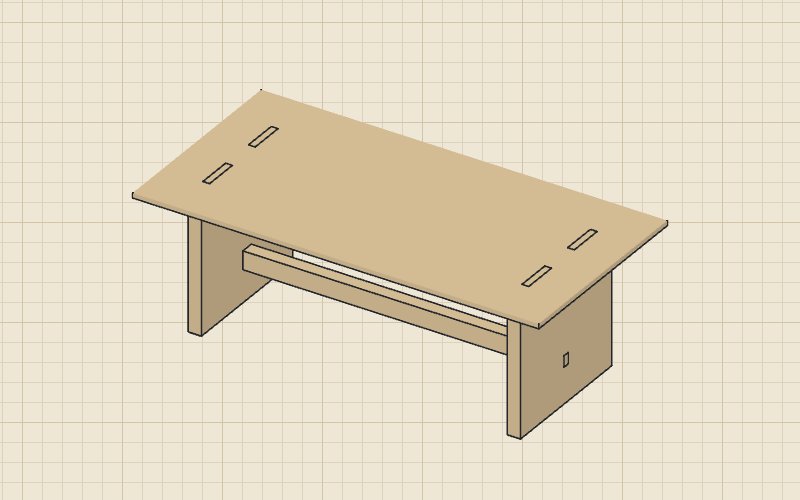
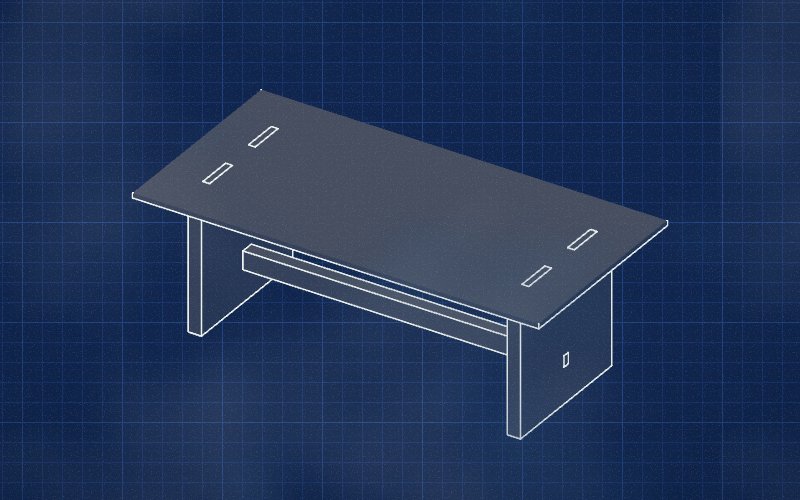
Minimal Slab Low Table
43.3 × 21.7 × 15.0 in (1100 × 550 × 380 mm)
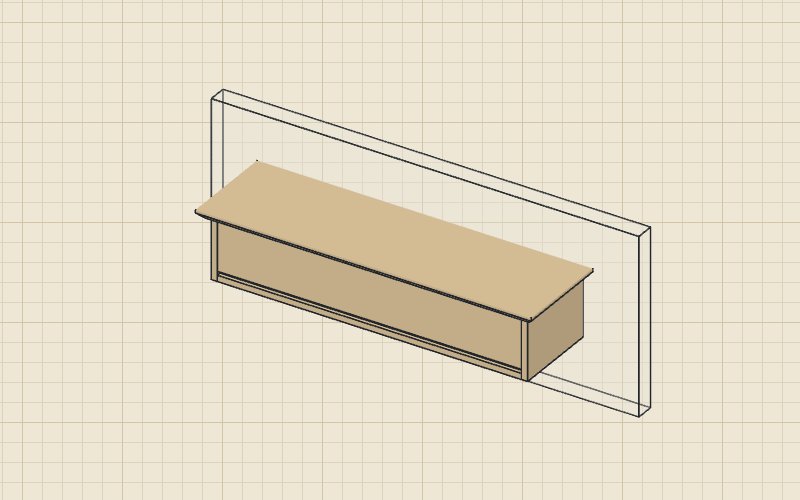
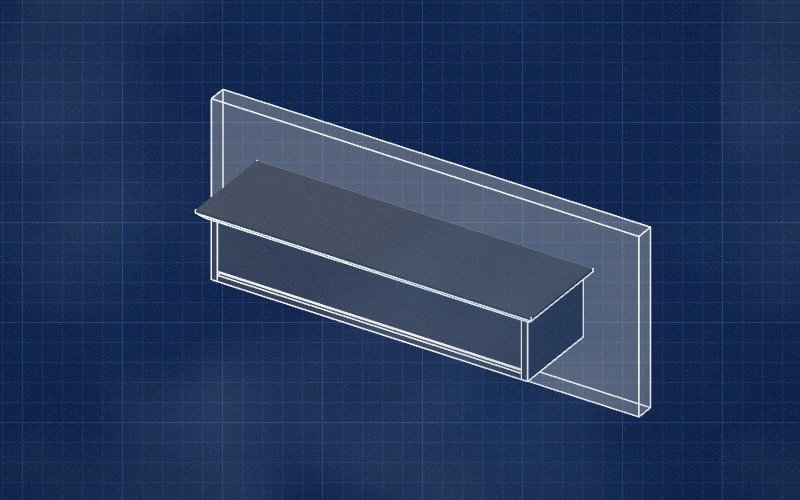
Minimal Wall Console
55.1 × 15.0 × 22.8 in (1400 × 380 × 580 mm)
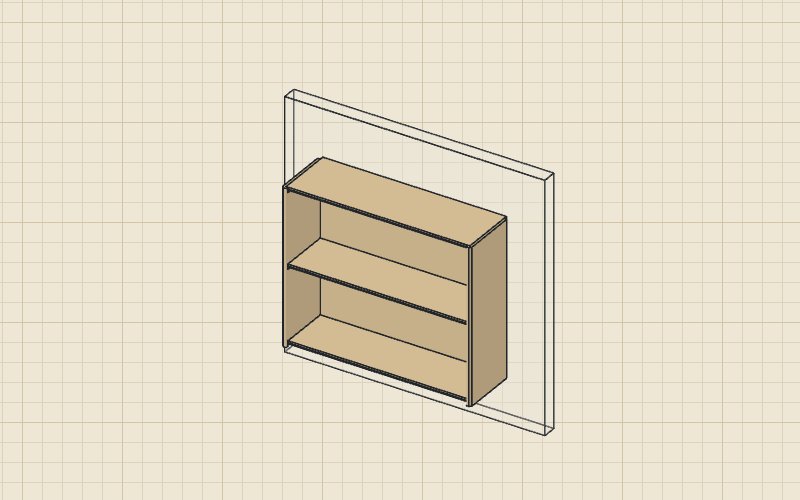
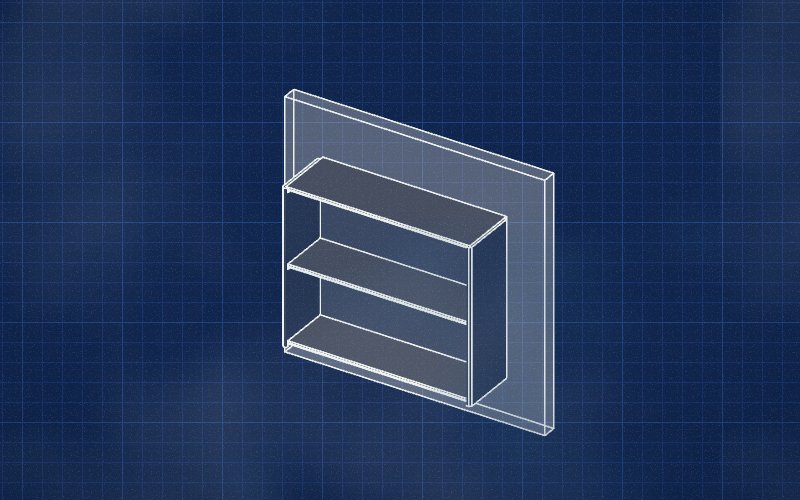
Oak Floating Wall Shelf
43.3 × 12.5 × 41.7 in (1100 × 318 × 1060 mm)
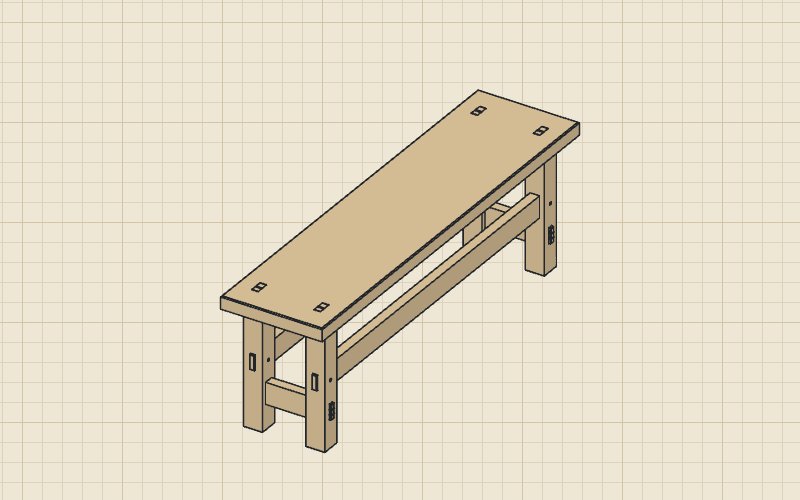
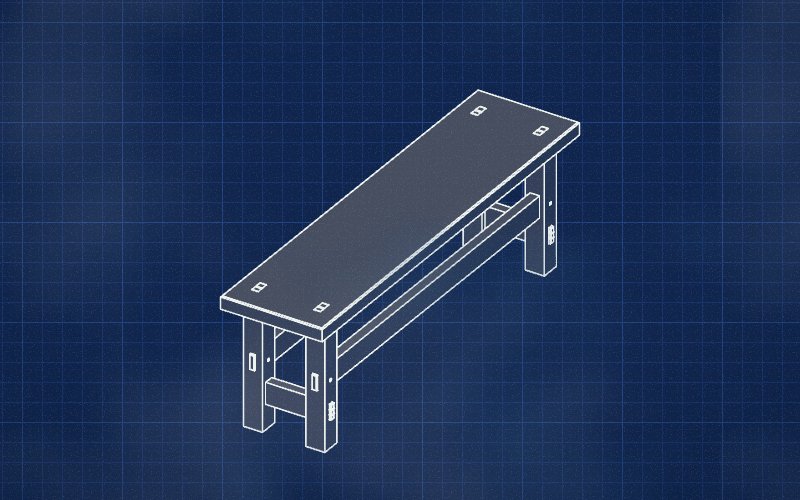
Oak Koshikake Bench
11.8 × 47.2 × 15.7 in (300 × 1200 × 400 mm)
Hardware for this style
Hinges, pulls, fasteners and other hardware that guides to this style name.
- Hinges
- European concealed hinge
- Catches and latches
- Push-to-open latch
- Screws and bolts
- Wood screw
- Tabletop fasteners
- Z-clip