

Art Deco
History
Art Deco began as French luxury work in the years just before the First World War and reached its peak at the 1925 Paris Exposition Internationale des Arts Décoratifs et Industriels Modernes, where Émile-Jacques Ruhlmann's workshop, through installations like the Hôtel d'un Collectionneur, set the standard for the style. The look crossed the Atlantic in the late 1920s and 1930s, where American designers reinterpreted it as skyscraper furniture — Paul T. Frankl turned the stepped setbacks of the new towers into bookcases — and later as streamlined, aerodynamic forms. By the 1930s and 40s the style had filtered down into mass-market factory production as the veneered, round-edged waterfall bedroom suite sold across the country.
Elements
Where the style that came before it grew curves from plants, Art Deco built with geometry: simple, massive volumes given only subtle curvature (bowed fronts, rounded corners, and in American work, stepped setback profiles), often raised on slender legs so the case seems to float. Ruhlmann's tapered, fluted fuseau legs swelling below the case and ending in an ivory or bronze sabot are the style's signature support. Ornament came from the richest surfaces available rather than from carving: macassar ebony, amboyna burl, Brazilian rosewood, shagreen and lacquer, laid up in book-, diamond- and sunburst-matched veneer panels and set off by ivory inlay, chrome and mirror glass. French work at its highest level was traditional cabinetmaking pushed to an extreme (one large veneered piece could reportedly take a thousand hours), while American skyscraper furniture built the same look from stacked boxes joined with dados and rabbets, and waterfall furniture carried continuous veneer around a rounded edge for the mass market.
Leaders in this style: historical designers and makers whose work inspired it (inspired by, not reproduced):
Designs
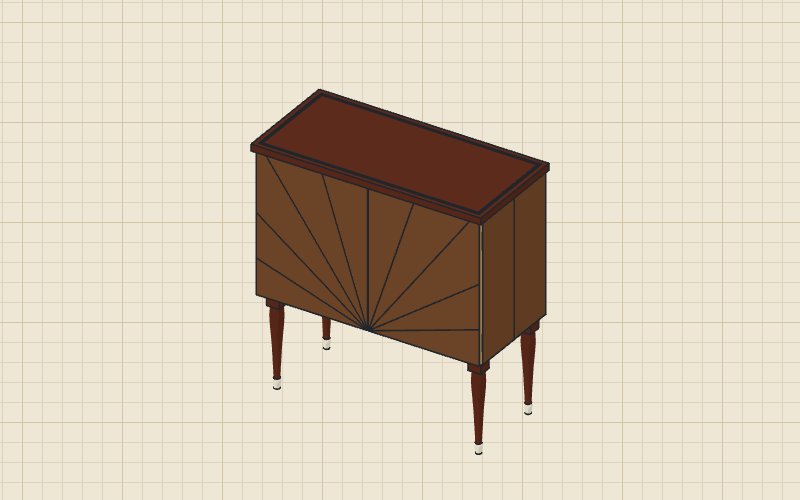
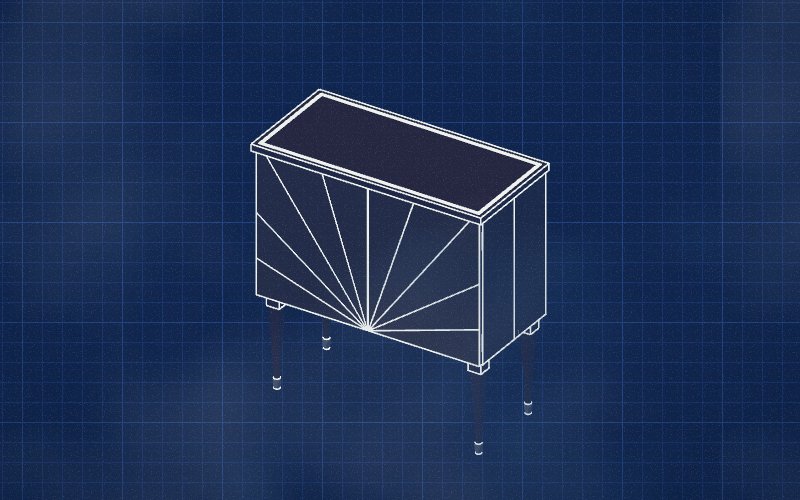
Art Deco Cabinet on Fuseau Legs
38.1 × 17.9 × 40.5 in (968 × 454 × 1028 mm)
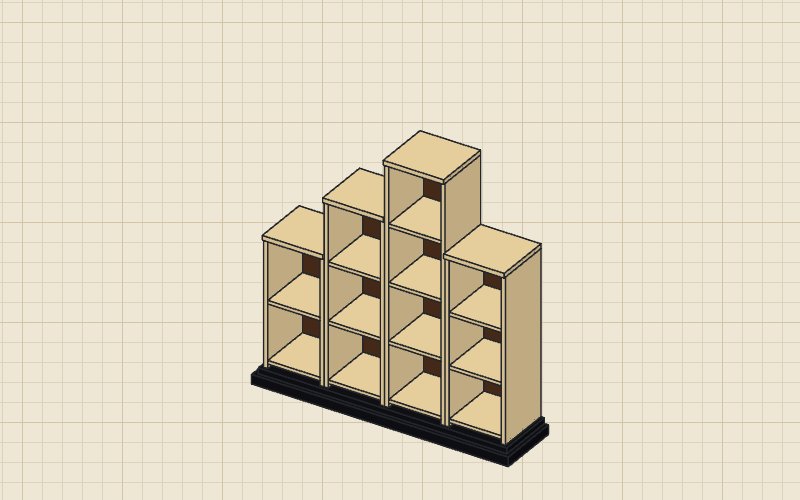

Art Deco Skyscraper Bookcase
54.2 × 13.4 × 54.3 in (1376 × 340 × 1380 mm)
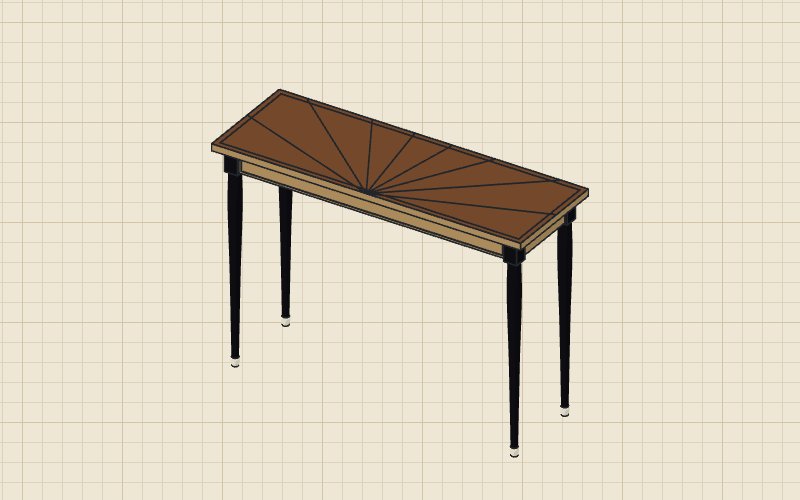
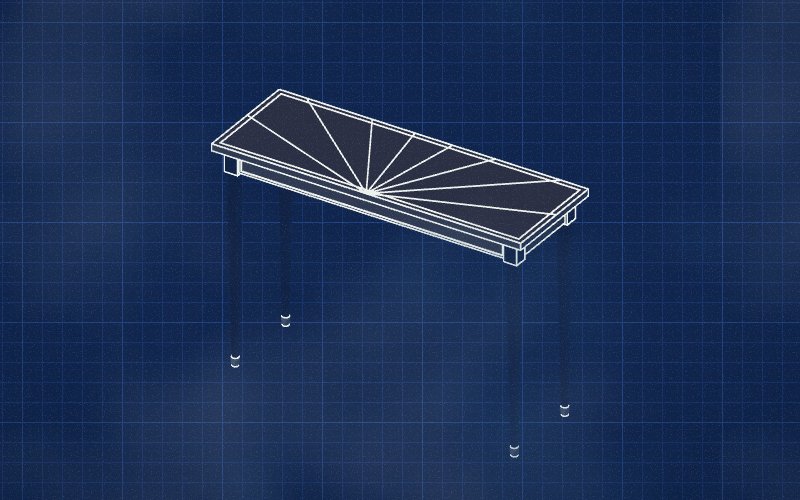
Deco Console Table
43.3 × 15.0 × 30.7 in (1100 × 380 × 781 mm)
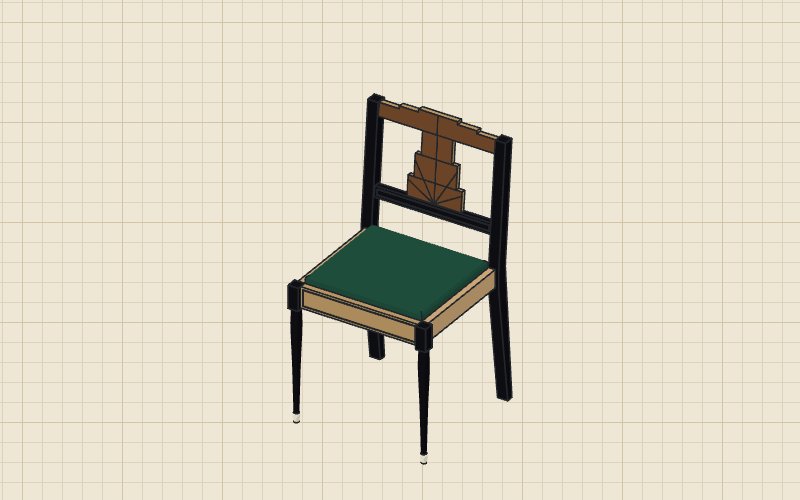
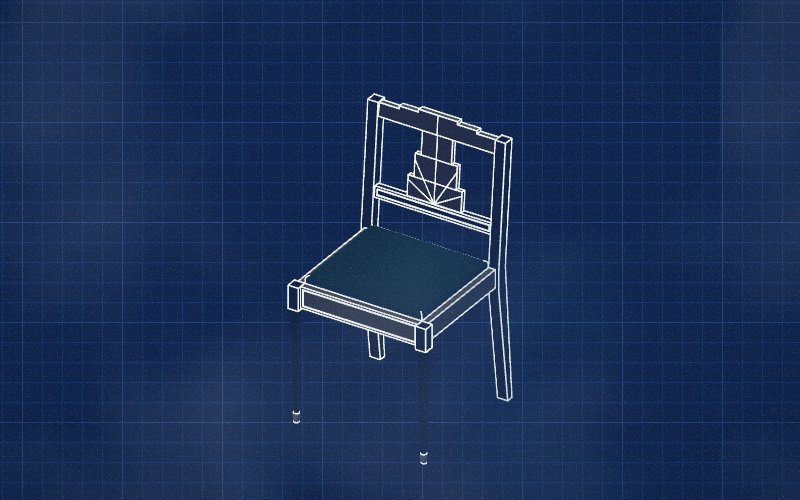
Deco Side Chair
18.1 × 17.9 × 34.1 in (460 × 455 × 865 mm)
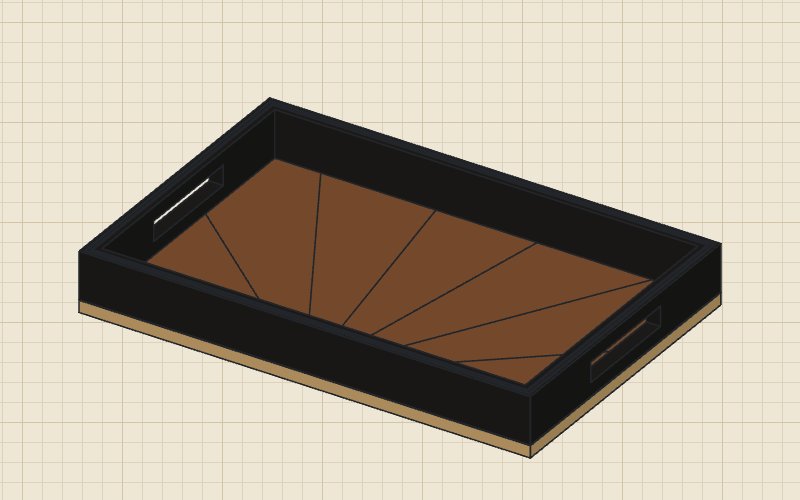
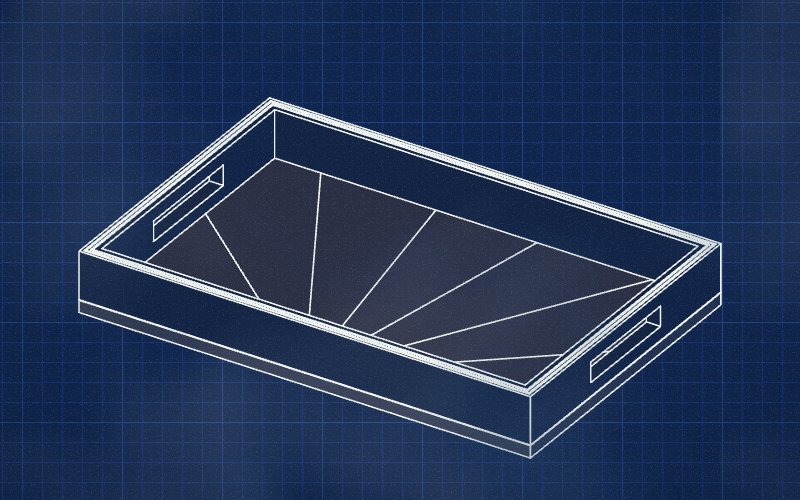
Deco Veneered Tray
17.7 × 11.8 × 2.4 in (450 × 300 × 60 mm)
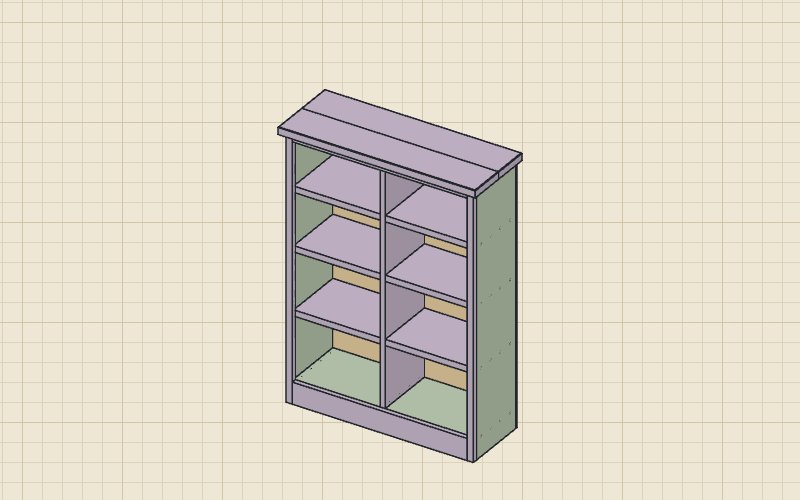
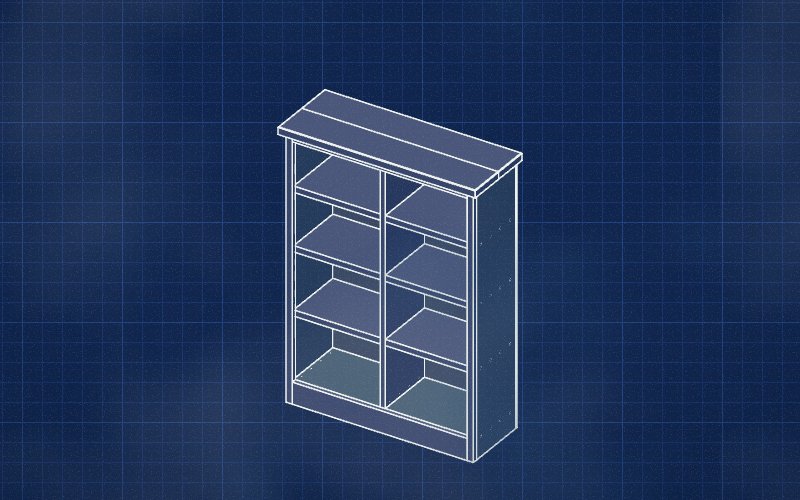
Knock-Down Bookcase
31.5 × 11.8 × 43.3 in (800 × 300 × 1100 mm)
Hardware for this style
Hinges, pulls, fasteners and other hardware that guides to this style name.
- Screws and bolts
- Confirmat screw