

Japanese
History
Japanese domestic furniture grew out of a floor-sitting way of life, so the characteristic pieces are chests, boxes, low tables and screens rather than raised seating. Sashimono, joined cabinetwork, became a distinct trade separate from temple carpentry in the medieval period and was refined through the Edo period (1603-1868), when tansu chests reached their classic form; the chest tradition continued through the Meiji period (1868-1912). In the 1920s the philosopher Yanagi Soetsu named and championed mingei, the anonymous, useful crafts of ordinary people, giving the older joinery tradition a modern aesthetic language.
Elements
The recognizable Japanese case piece is a rectilinear box or frame, kept low, its front divided asymmetrically into drawers of different widths alongside a small door or sliding-panel compartment. Stair chests (kaidan-dansu) step up in elevation and doubled as household staircases; many tansu are built as two stacked sections, some set on wheels. Chests typically have no legs, sitting flush on the floor or a plinth, with sliding doors running in grooves. Ornament is concentrated almost entirely in hardware: hand-forged iron pulls on backplates, the curled-bracken warabite bail being the classic form, paired with large corner and lock plates. Wood is left plain, lacquered in urushi, or stained, with the figure of keyaki (zelkova) especially prized on fronts; kiri (paulownia) serves lighter drawer and back work.
What defines the construction is the near-total absence of metal fasteners: fine sashimono is assembled almost entirely by joint, with around thirty basic types and over a thousand variants recorded. Box corners are wide pinned finger joints, through dovetails, or the hidden mitred dovetail (kakushi-ari-dome), which shows only a mitre line from outside. Frames use mortise and tenon, usually blind, though where a tenon is shown it is locked through the post with a tapered draw-pin or wedges driven into its end. Backs are a solid plank nailed on with bamboo pins. The whole tradition is a hand-tool one, worked with saws, chisels and planes.
Leaders in this style: historical designers and makers whose work inspired it (inspired by, not reproduced):
Designs
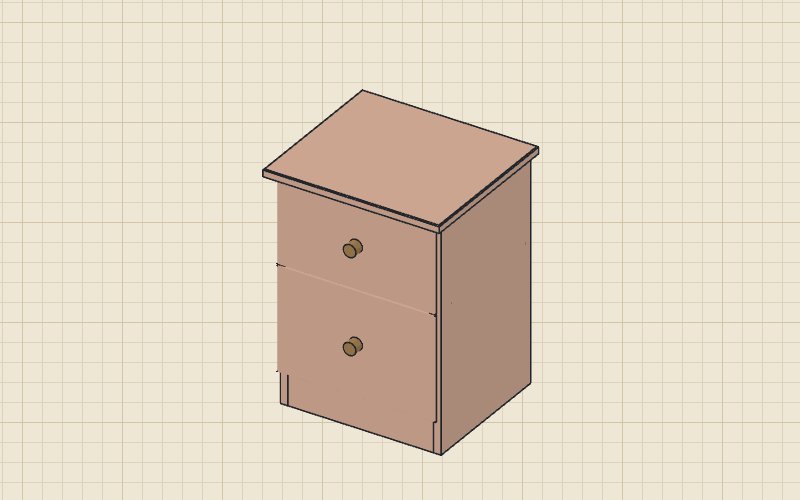
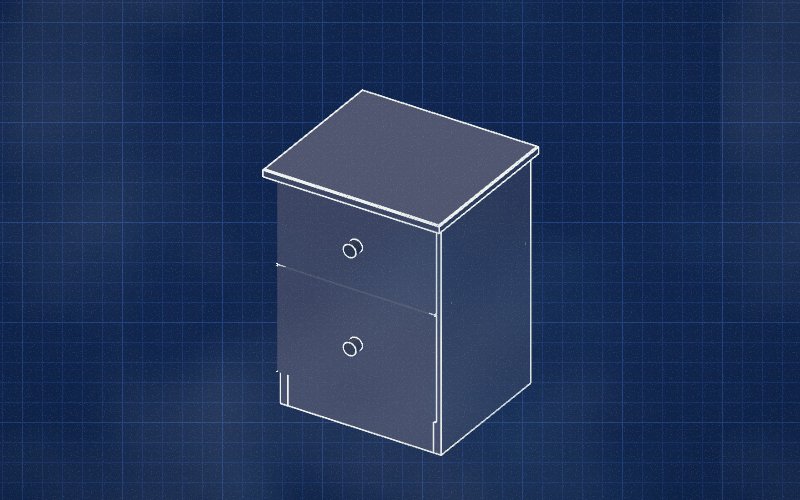
Bedside Cabinet
17.7 × 16.0 × 23.6 in (450 × 406 × 600 mm)
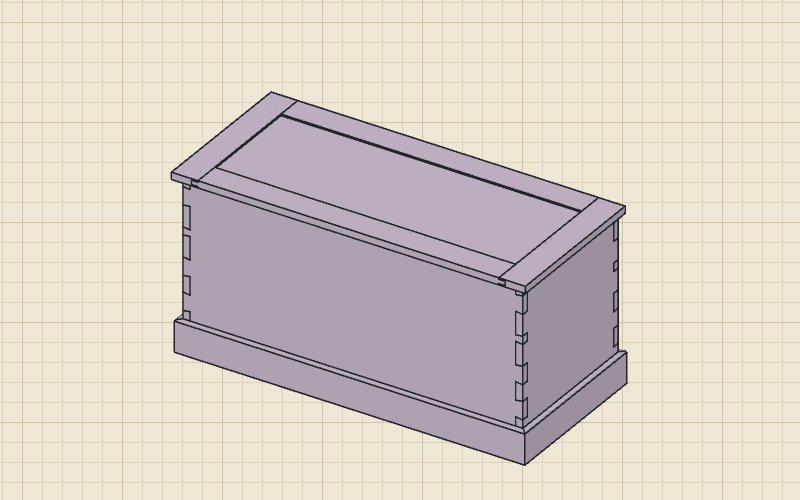
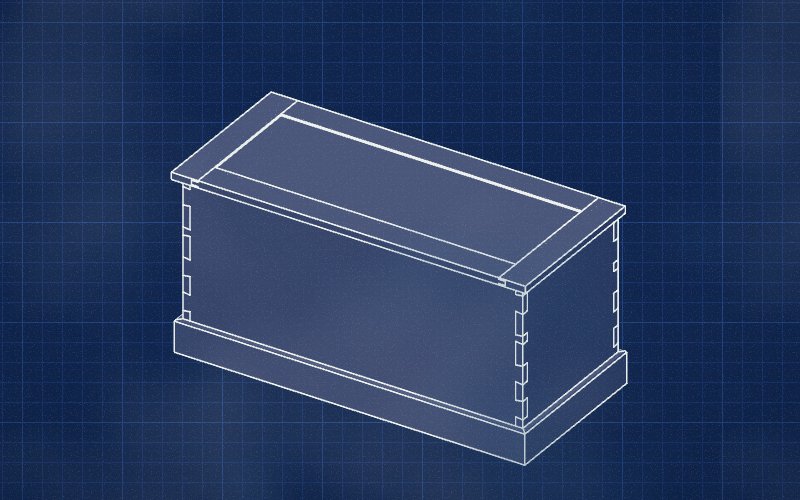
Dovetailed Blanket Chest
39.4 × 18.1 × 19.7 in (1000 × 460 × 500 mm)
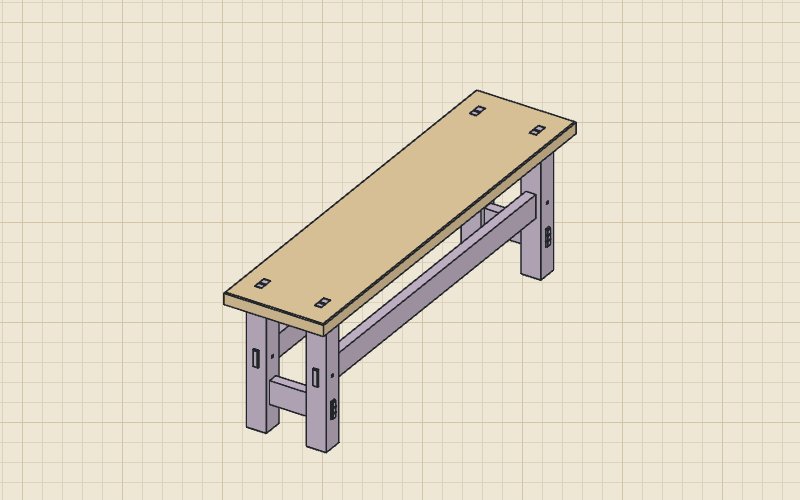
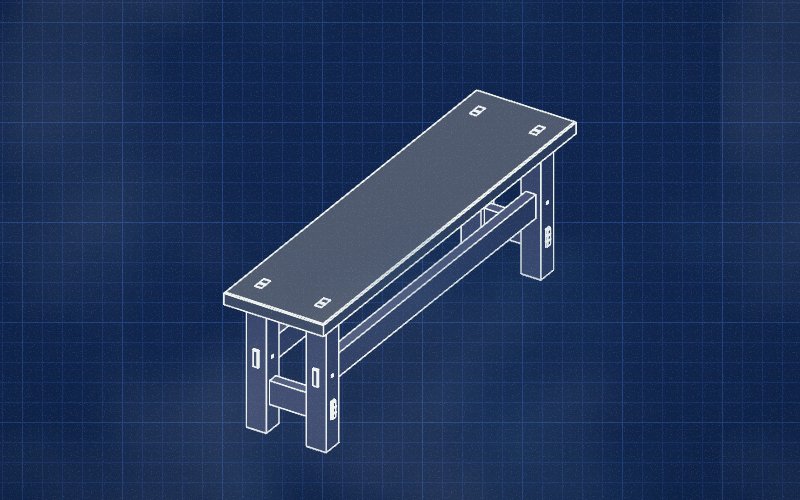
Japanese Bench
11.8 × 47.2 × 16.5 in (300 × 1200 × 420 mm)
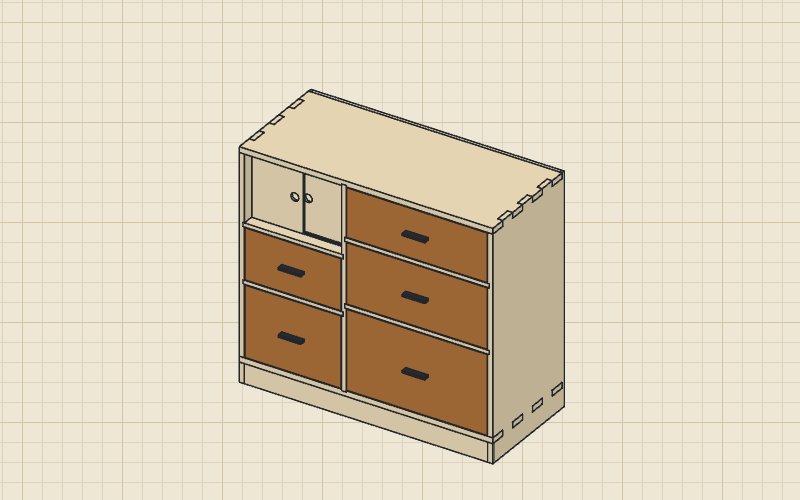
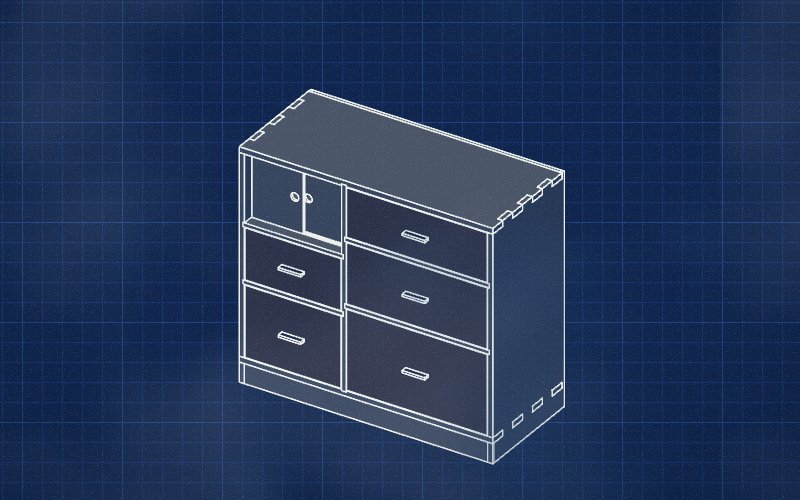
Kiri Tansu
35.4 × 16.5 × 32.3 in (900 × 420 × 820 mm)
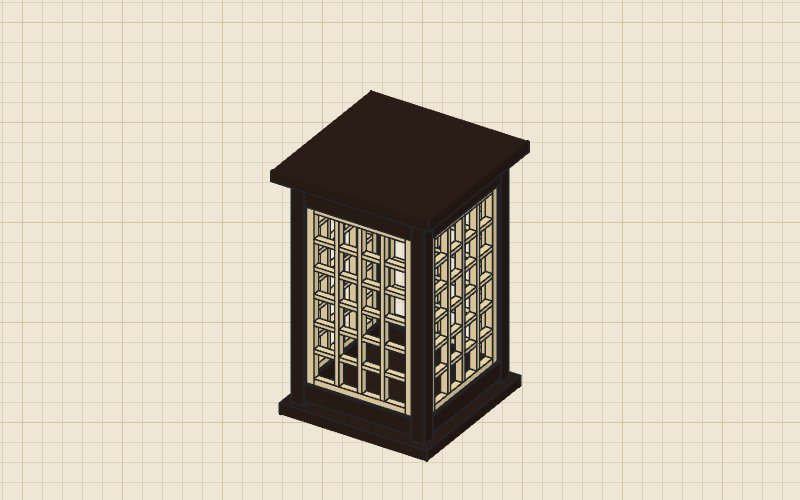
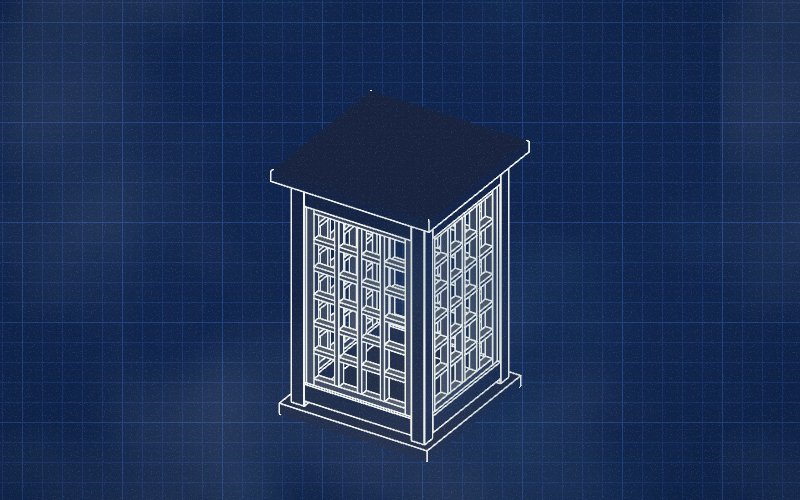
Kumiko Andon Lantern
12.1 × 12.1 × 18.5 in (308 × 308 × 470 mm)
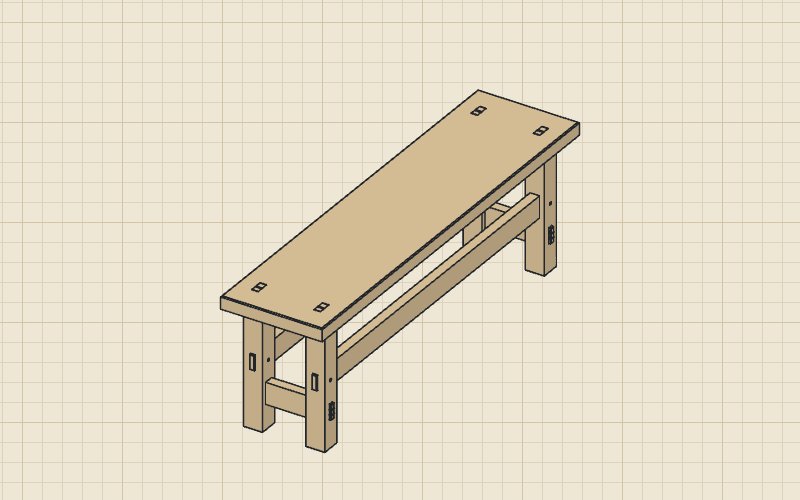
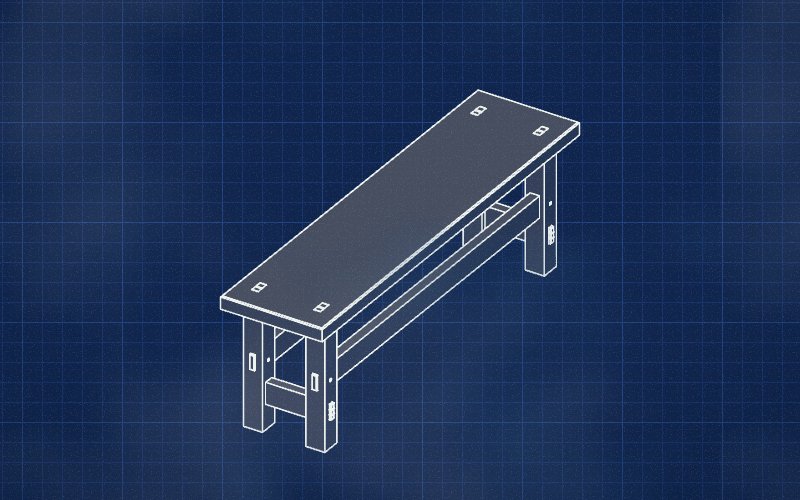
Oak Koshikake Bench
11.8 × 47.2 × 15.7 in (300 × 1200 × 400 mm)
Hardware for this style
Hinges, pulls, fasteners and other hardware that guides to this style name.
- Hinges
- Strap hinge
- Pulls and escutcheons
- Bail pull (batwing and forged)
- Locks
- Cabinet and chest lock