

Danish Modern
History
Danish Modern furniture grew out of Copenhagen's cabinetmaking trade between roughly 1914 and 1970, starting with architect Kaare Klint's chairs for the Faaborg Museum and reaching its best-known work in the 1940s through 1960s. Klint taught or influenced most of the designers who defined the style, including Børge Mogensen and a chair designer best known for reworking a single curved rail into some of the era's most widely reproduced seating, while a Copenhagen furniture designer known for sculptural, seemingly weightless seat forms, and later Poul Kjærholm, worked alongside them. Klint's method was to take historical furniture types — the Shaker chair, the campaign chair, the Chinese horseshoe chair — and re-measure them against the human body, so the style repeatedly returns to proven forms and refines rather than invents them.
That method combined with the annual Cabinetmakers' Guild exhibitions, where designer and maker showed new work together, to produce a recognizable look built on light, precise frames in teak, oak, and walnut, joints made visible and carefully shaped, and seats of woven paper cord, cane, or leather.
Elements
The furniture favors light, open frames with members kept as thin as the joint will allow and soft, rounded transitions where one part runs into another; chairs dominate the style. Legs are typically turned or shaped and taper toward the floor, sometimes splayed a few degrees, and a recurring idea is a single continuous rail that forms both the back and the arms, steam-bent in one influential chair, built up from several pieces in another, and traceable to the Chinese horseshoe chair that inspired both. One designer pushed the idea further by treating the seat and back as sculptural panels seemingly floating inside or above a separate carrying frame.
Ornament is largely absent; the joint, the grain, and the shaping of a transition are the decoration, and finishes stay thin — oil on teak, oil or soap on oak and beech — so the wood stays pale and matte. Construction relies on mortise-and-tenon and dowelled chair frames, bridle joints, and zigzag finger joints where several pieces must form one long curved rail, with parts often shaped and sculpted across the glue line after assembly. Case pieces such as teak sideboards stand on tapered legs with dovetailed drawers, and seats woven in paper cord are anchored to the rails with small L-shaped nails.
Leaders in this style: historical designers and makers whose work inspired it (inspired by, not reproduced):
Designs
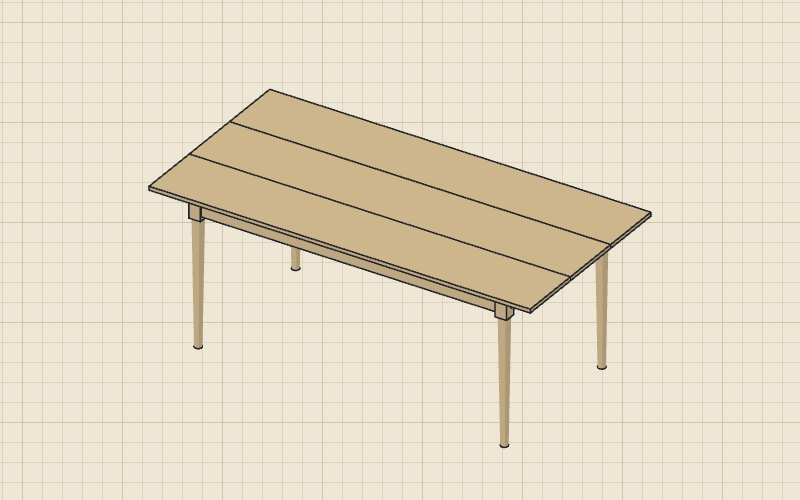
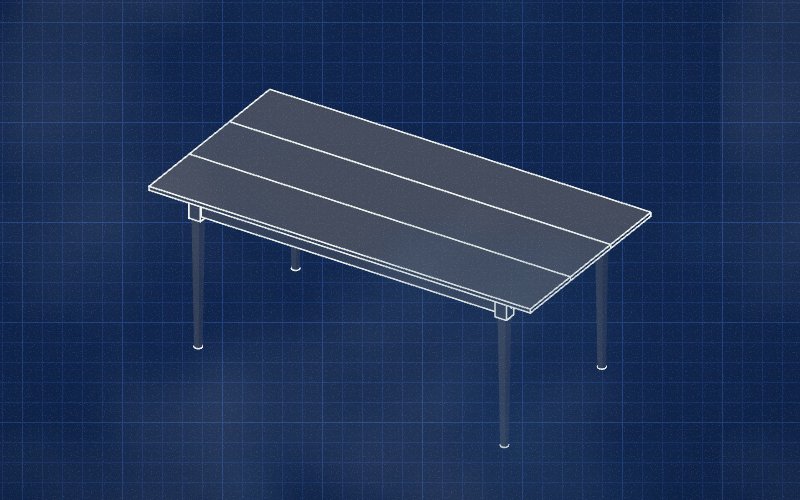
Danish Oak Dining Table
70.9 × 35.4 × 28.7 in (1800 × 900 × 730 mm)
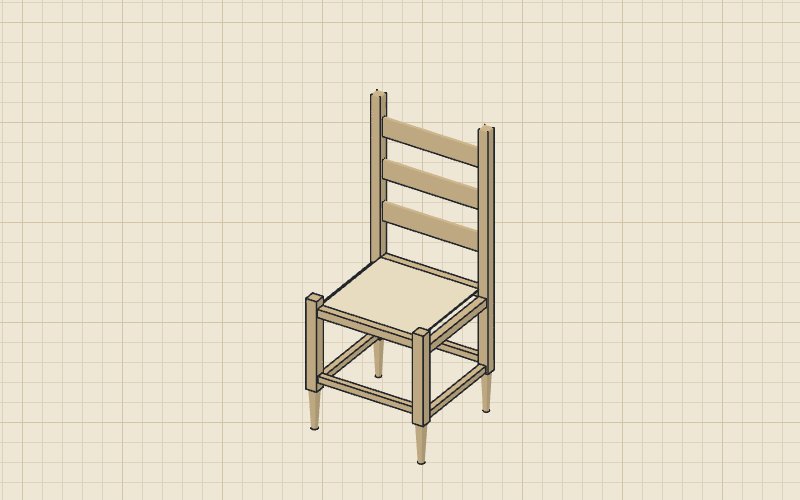
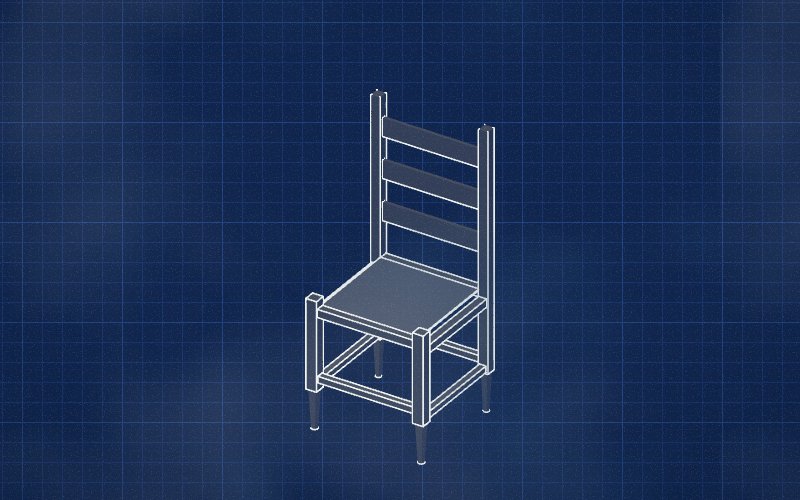
Danish Slat-Back Chair
17.3 × 16.5 × 40.9 in (440 × 420 × 1040 mm)
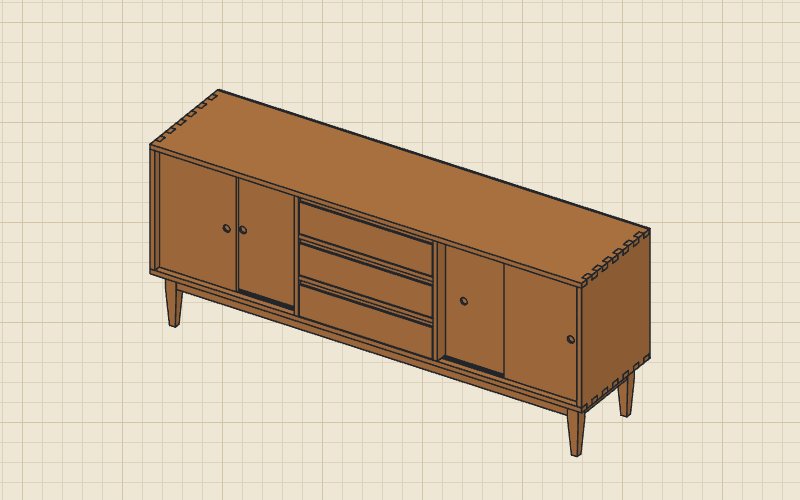
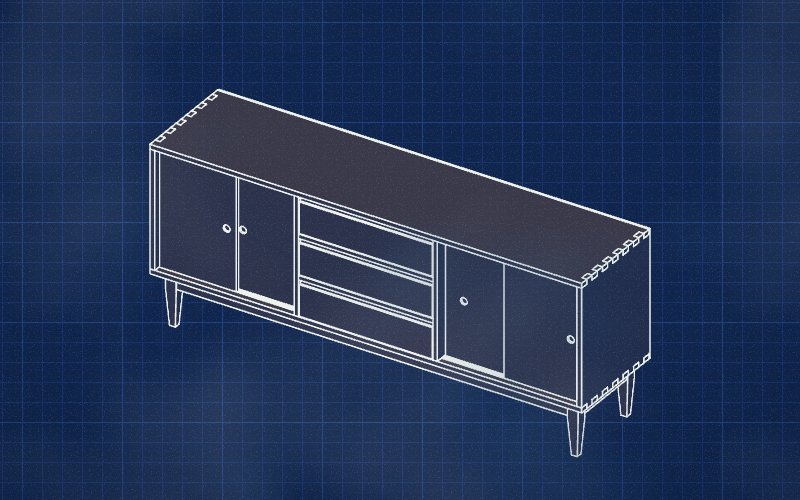
Danish Teak Sideboard
70.9 × 17.7 × 29.5 in (1800 × 450 × 750 mm)
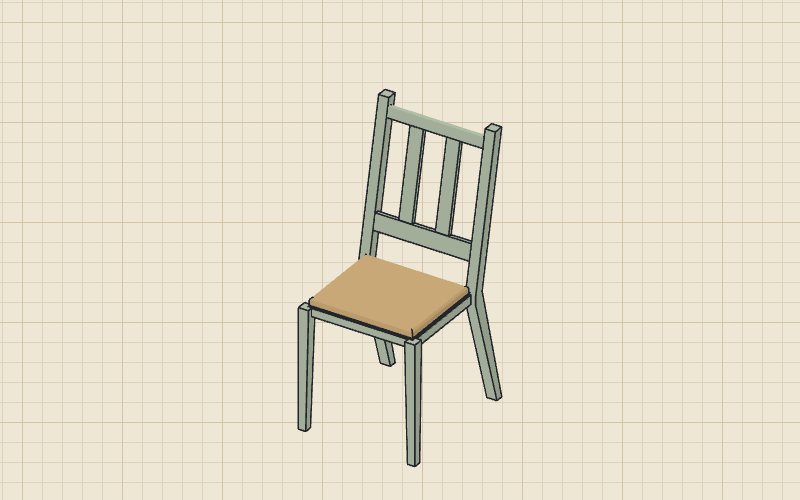
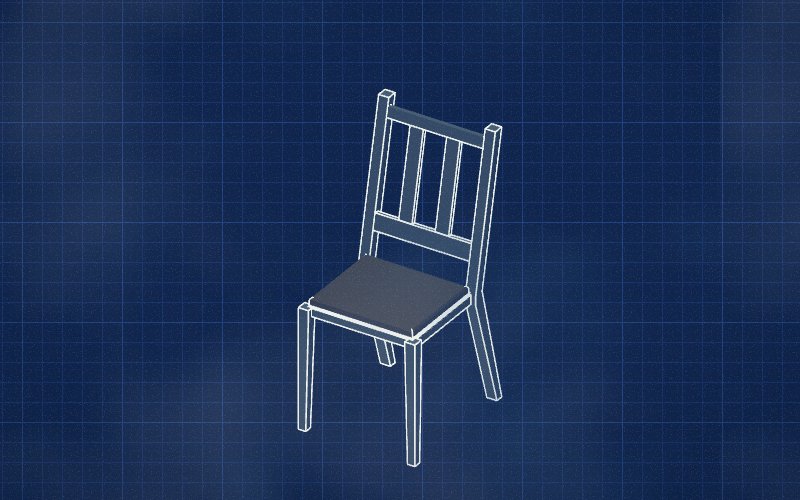
Dining Chair
17.3 × 20.4 × 39.4 in (440 × 517 × 1000 mm)
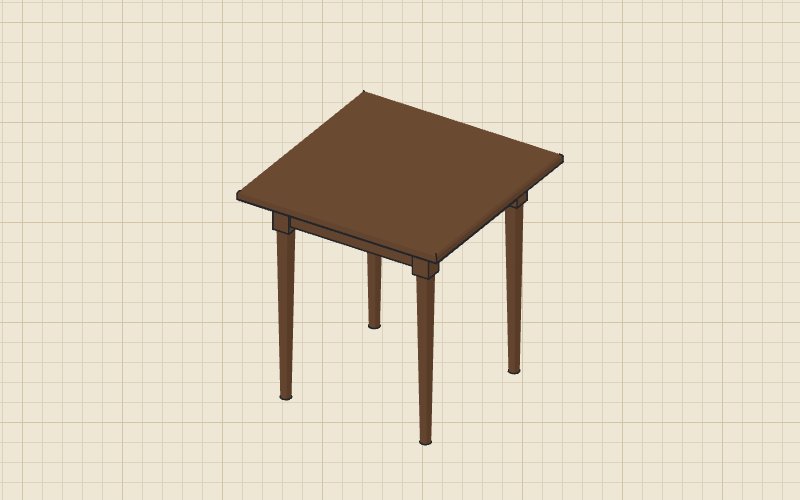
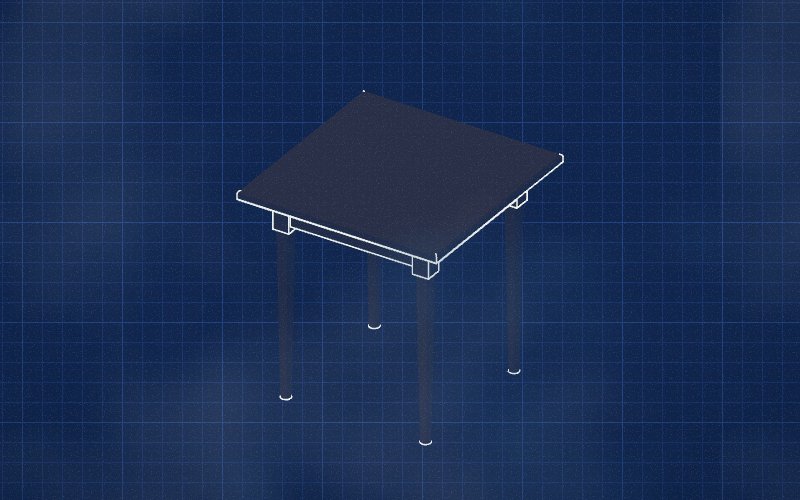
Walnut Side Table
19.7 × 19.7 × 20.5 in (500 × 500 × 520 mm)
Hardware for this style
Hinges, pulls, fasteners and other hardware that guides to this style name.
- Screws and bolts
- Machine screw and T-nut
- Knock-down and bolts
- Cross dowel and bolt Threaded insert