

Neo-Shaker
History
Neo-Shaker furniture takes shape from around 1970 onward in the United States, notably in Maine, and later spreads internationally through kitchen and cabinet manufacturing. It re-proportions the older Shaker forms, plain rectilinear cases, slim tapered legs, square-edged frame-and-panel doors, exposed dovetails, oil-finished native hardwood, for contemporary use, typically worked in solid cherry, walnut or maple and left unpainted. Its best-known makers are Thomas Moser, who founded his workshop in Maine in 1972 after leaving a tenured academic post and died in 2025, and Christian Becksvoort, a Maine maker, restorer for the Sabbathday Lake Shaker community, and author of a book on the Shaker furniture. The same design, simplified to a flat recessed-panel door, also became the dominant style associated with 'Shaker' kitchen cabinetry.
Elements
The style keeps Shaker furniture's essential lightness and rectilinearity while adjusting heights and depths for modern rooms; studio pieces often introduce a single soft curve, a bent arm or a curved apron edge, where the historical Shaker maker would have used a straight line. Legs are square and tapered on their inside faces, or softly rounded and tapered, often rising from a plinth on case pieces. Doors are five-piece, with a flat panel recessed inside a square-edged frame with no moulded profile, inset into furniture frames or inset and overlay in kitchen work; 'Slim Shaker' versions narrow the stiles and rails further. Drawers are hand-cut through- and half-blind dovetails, deliberately left visible as the style's main ornament rather than hidden.
Construction otherwise favors hand-cut or machine-assisted dovetails, mortise and tenon joinery, drawer bottoms set in grooves, and bent lamination for chair arms and crest rails, most famously Moser's Continuous Arm Chair, a Windsor form where the crest and both arms are bent as a single laminated member from thin strips of cherry. Finishes are penetrating oils and wax rather than film finishes, allowing cherry in particular to darken naturally with light over time. Kitchen versions of the style depart from this solid-wood tradition, typically using hardwood frames around MDF or plywood panels finished in painted lacquer.
Leaders in this style: historical designers and makers whose work inspired it (inspired by, not reproduced):
Designs
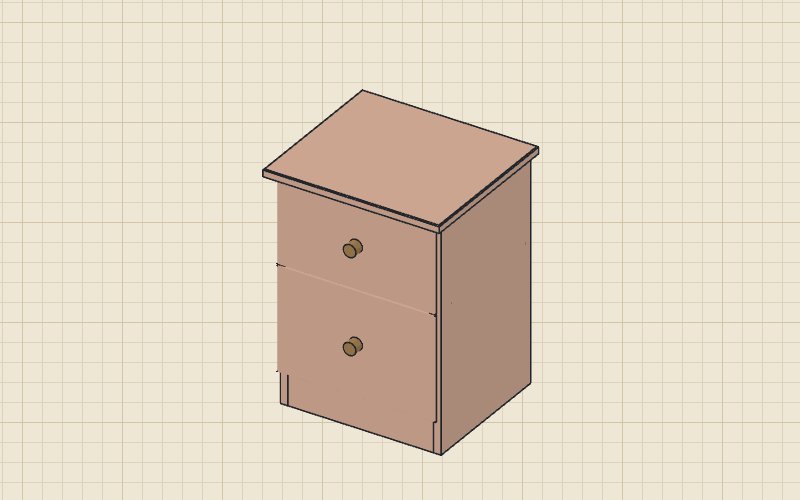
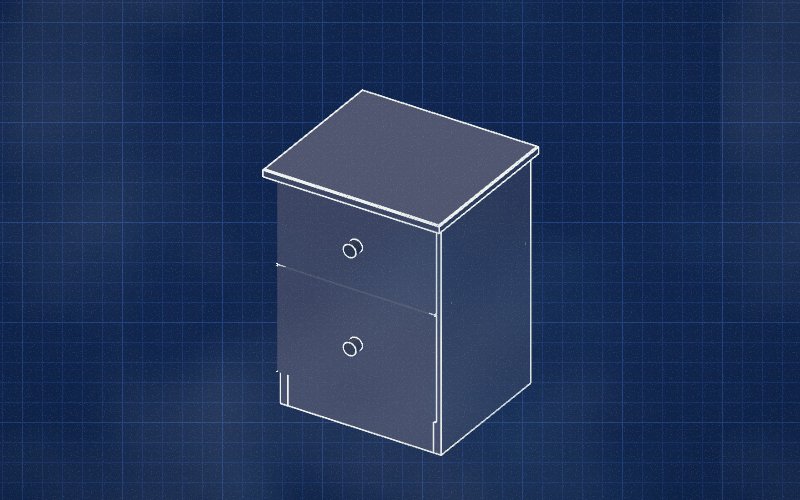
Bedside Cabinet
17.7 × 16.0 × 23.6 in (450 × 406 × 600 mm)
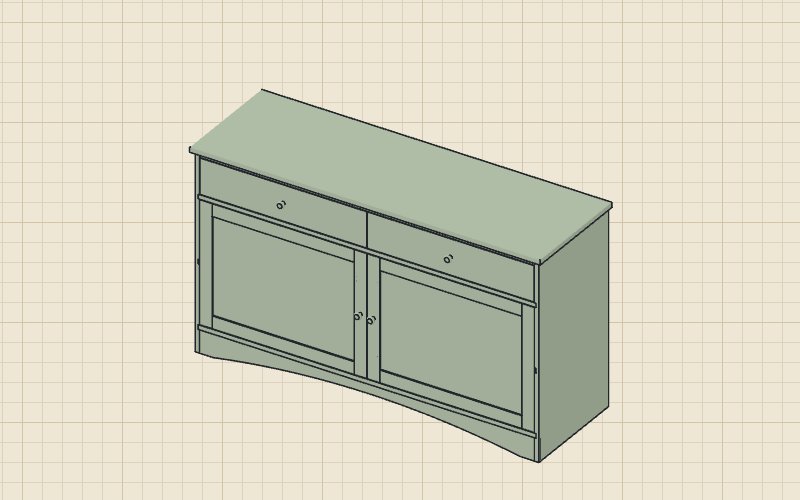
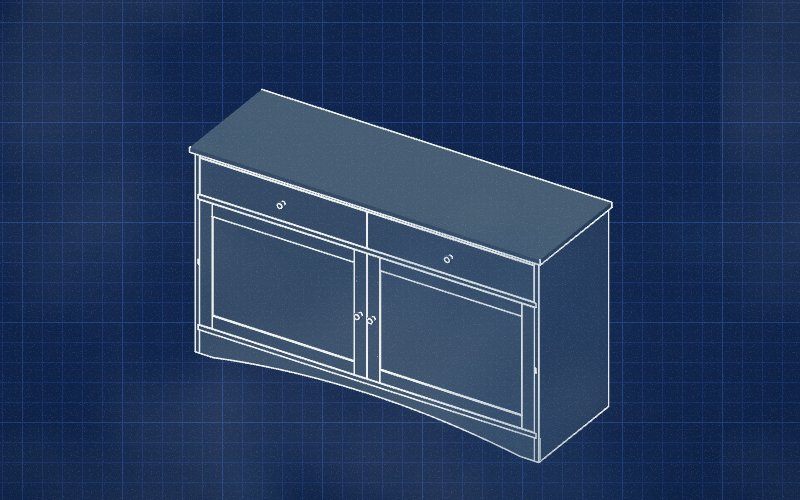
Neo-Shaker Cherry Sideboard
60.2 × 19.9 × 34.6 in (1530 × 506 × 880 mm)
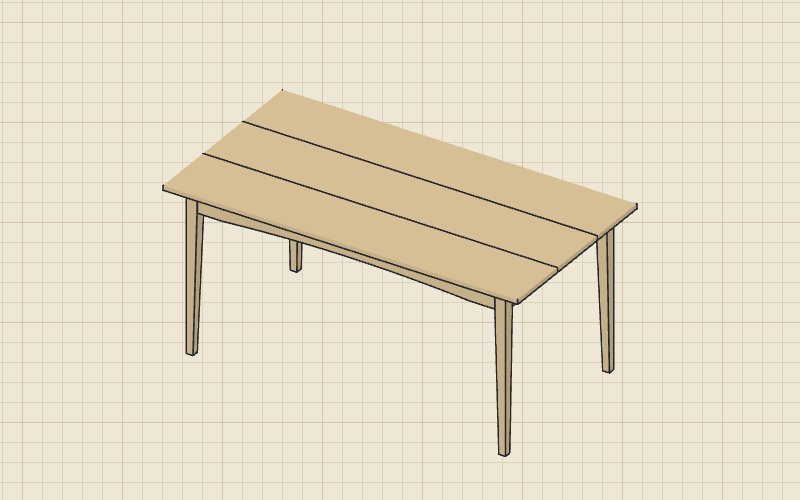
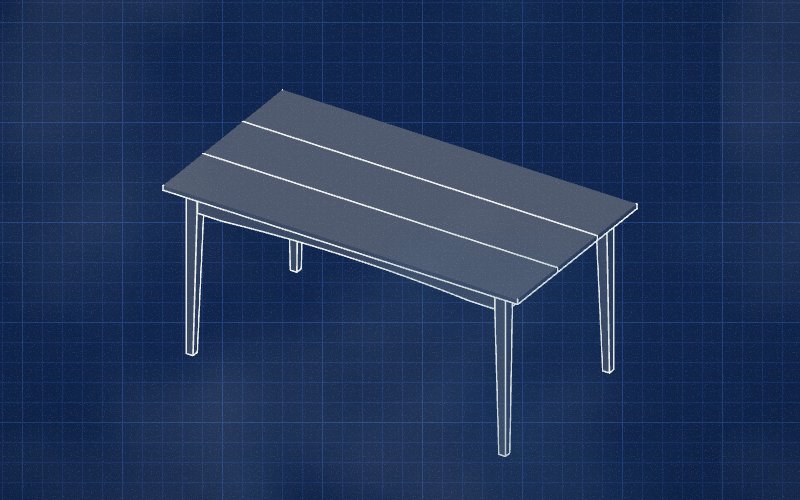
Neo-Shaker Tapered-Leg Table
63.0 × 33.5 × 29.1 in (1600 × 850 × 740 mm)
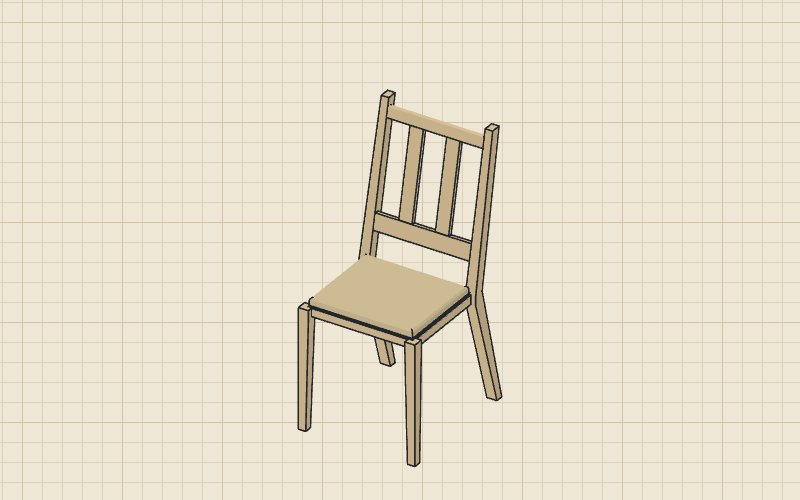
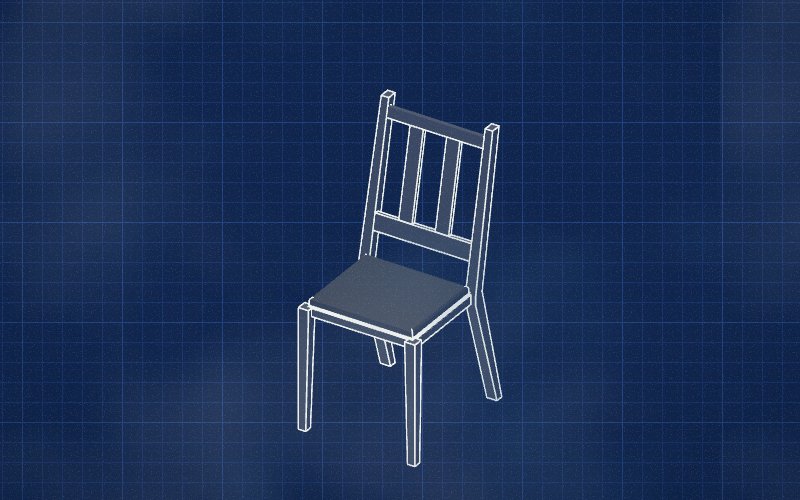
Shaker Cherry Side Chair
17.3 × 20.4 × 39.4 in (440 × 517 × 1000 mm)
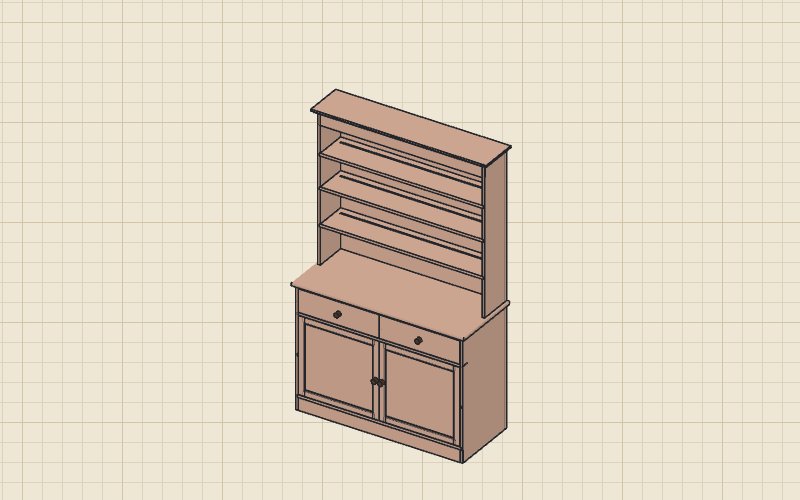

Welsh Dresser with Plate Groove
49.6 × 20.8 × 78.7 in (1260 × 528 × 2000 mm)
Hardware for this style
Hinges, pulls, fasteners and other hardware that guides to this style name.
- Hinges
- Butt hinge European concealed hinge
- Pulls and escutcheons
- Bar pull Knob
- Tabletop fasteners
- Figure-8 tabletop fastener