

Cotswold Workshop
History
The Cotswold Workshop tradition began as a reaction against Victorian machine-made, over-ornamented furniture, led in London from the 1860s by a designer whose firm sold simple turned, rush-seated chairs — the Sussex range, from about 1865 — alongside grander painted pieces. Its guiding belief was that furniture should be built by skilled hands from good native timber, with its construction left on show rather than hidden.
That idea was carried forward by the architects Ernest Gimson and the brothers Ernest and Sidney Barnsley, who after a short-lived London partnership moved to the Cotswolds and developed a furniture style drawn from English vernacular building, wagon-making, and country chairmaking. Gimson set up a workshop in Cirencester in 1900, moving to Daneway House at Sapperton with Peter Waals as his chief cabinetmaker from 1901, making pieces to his own drawings entirely by hand, and later makers such as Edward Gardiner continued the chairmaking tradition Gimson had learned in 1890 from a Herefordshire chairmaker.
Elements
The furniture is rectilinear, solid, and architectural — tables and dressers are heavy in section but visually lightened by chamfering, particularly the stopped chamfers that Sidney Barnsley favored, a technique borrowed from wheelwrighting. Dining tables often stand on a hayrake stretcher, a central rail forking at each end like the braces of a wooden hay rake, while chairs take the form of turned ladder-back and spindle-back designs in ash with rush seats, or an ebonised beech chair sold by the London firm. Case pieces use frame-and-panel construction, sometimes with octagonal fielded panels and half-ovolo mouldings, standing on open stands or built as plank chests.
Ornament stays restrained throughout: gouge cuts and chip carving, the chamfers and their carved stops, and paneling with half-ovolo moldings, with timber chosen for its own grain rather than dressed up, though veneer appears occasionally to show an unusual figure. What makes the joinery itself the decoration is that it is left exposed — through mortise-and-tenon joints, often wedged and pegged, through and lapped dovetails down case sides, and pegs left proud or flush but always visible — so that a hayrake table or an oak dresser reads its own construction at a glance.
Leaders in this style: historical designers and makers whose work inspired it (inspired by, not reproduced):
Designs
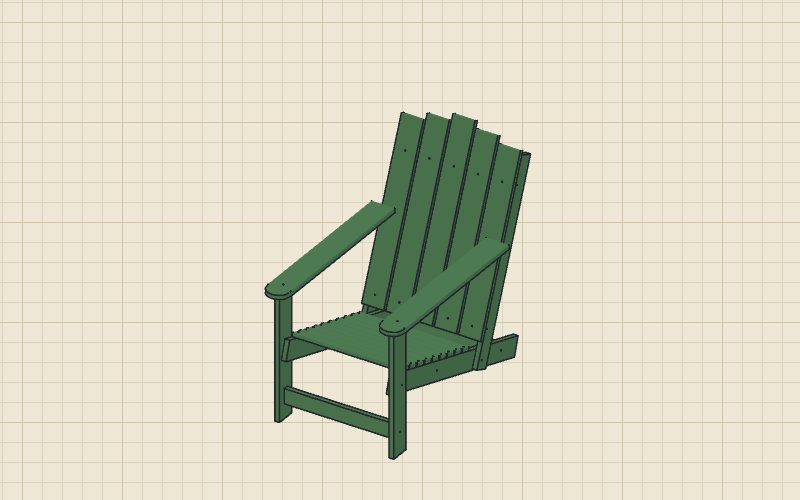
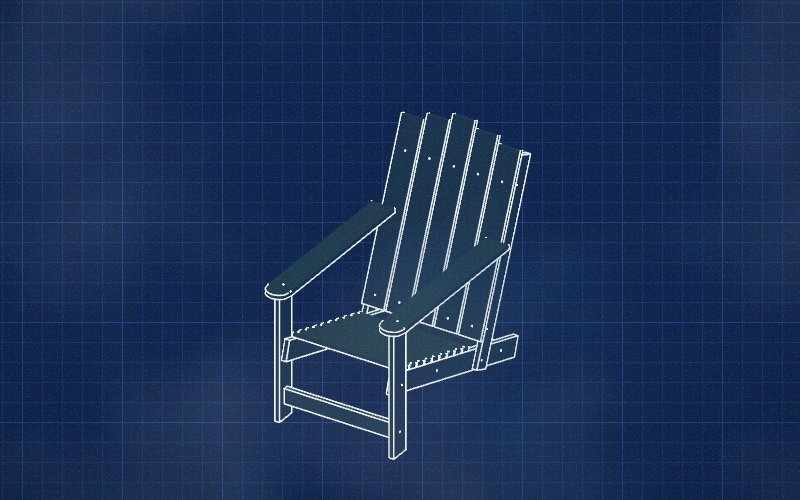
Adirondack Plank Chair
25.5 × 41.6 × 39.8 in (648 × 1057 × 1010 mm)
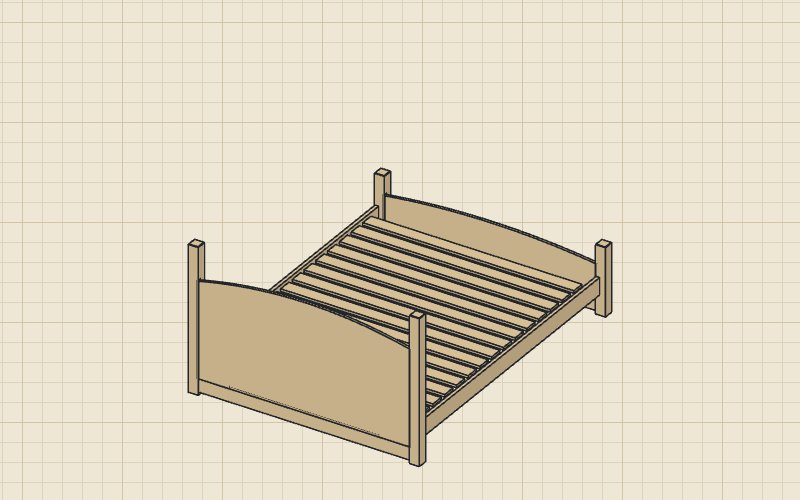
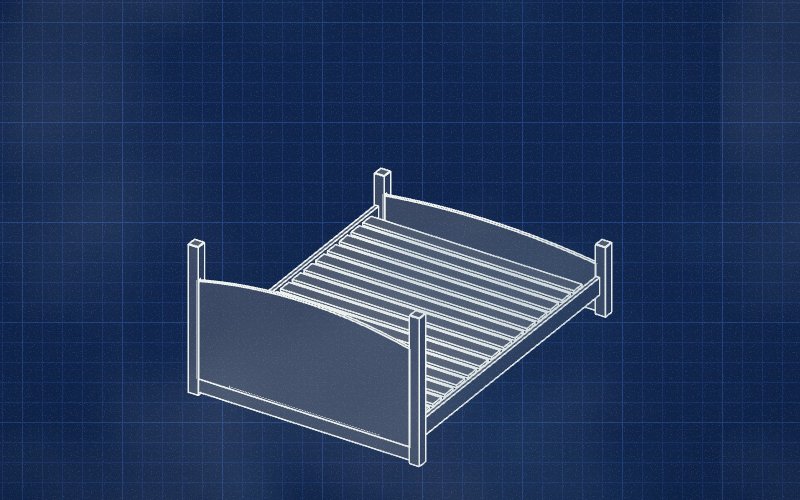
Bed
63.8 × 83.9 × 40.2 in (1620 × 2130 × 1020 mm)
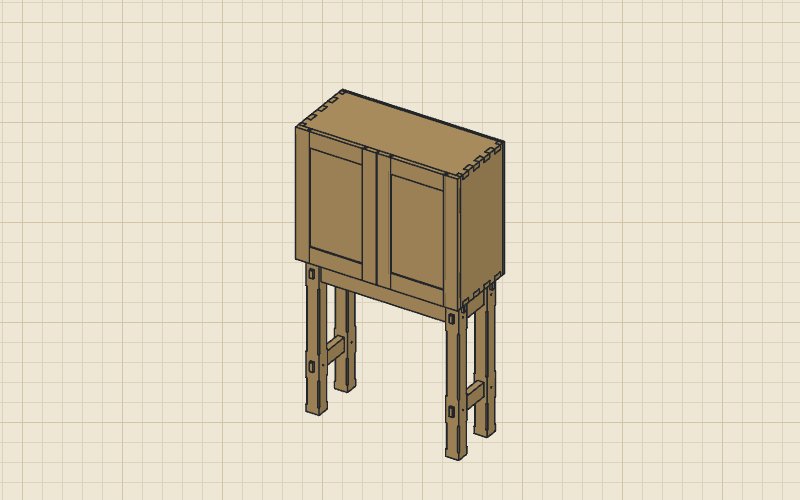
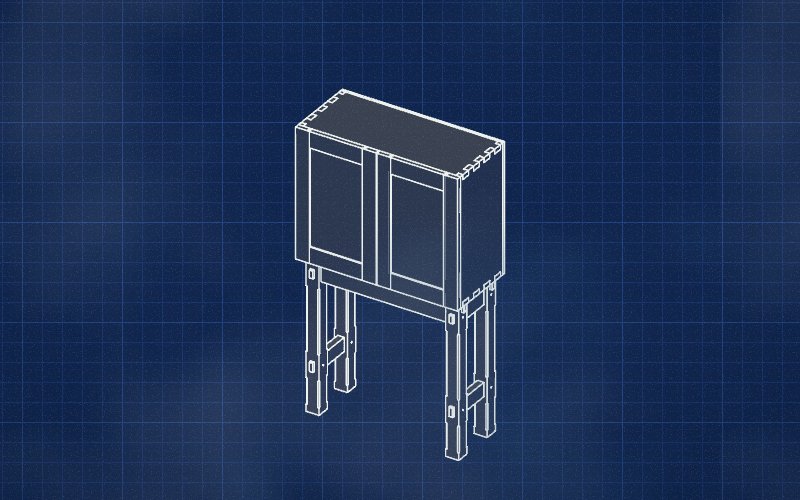
Cabinet On Stand
27.6 × 12.6 × 48.0 in (700 × 320 × 1220 mm)
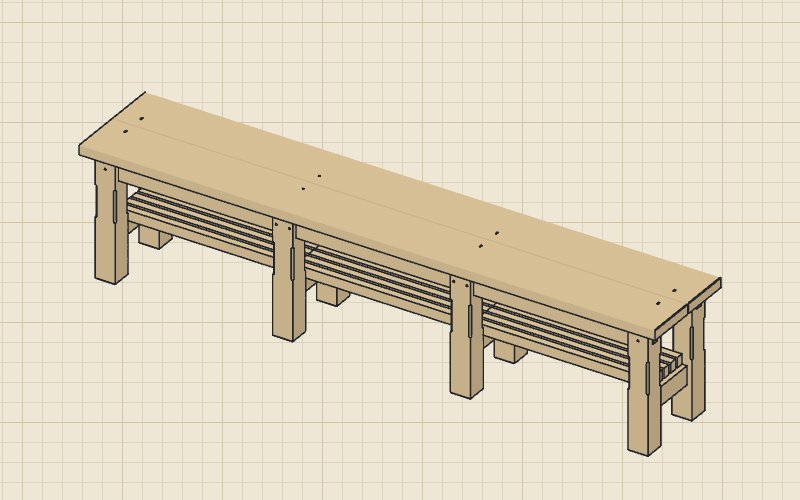
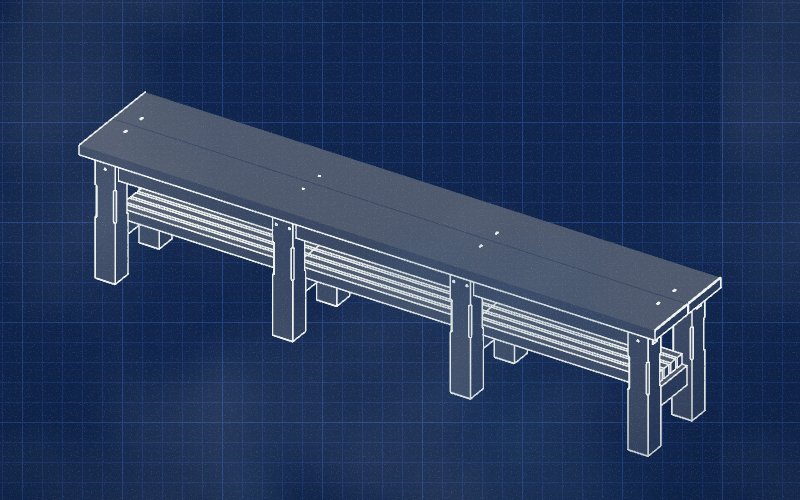
Entryway Shoe Bench
78.7 × 14.2 × 18.0 in (2000 × 361 × 457 mm)
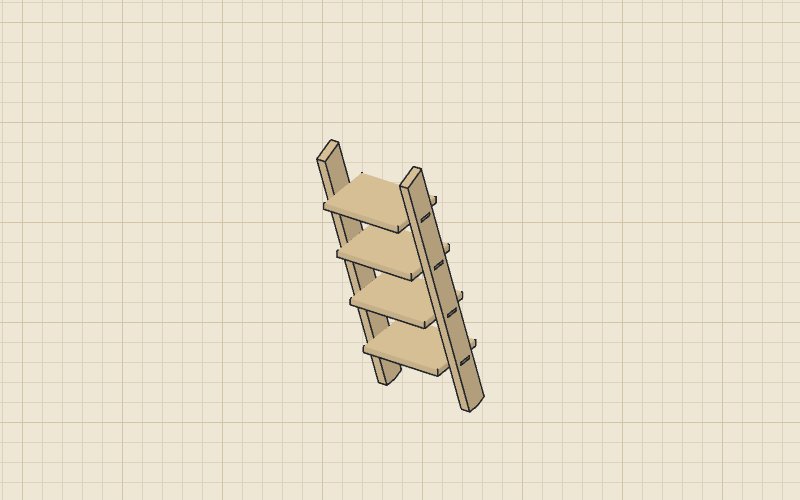
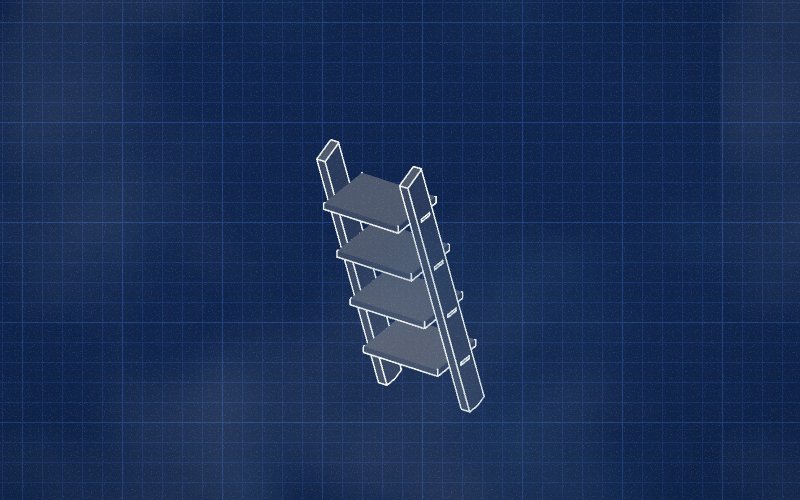
Fixed Step Ladder
13.8 × 18.6 × 41.8 in (350 × 473 × 1061 mm)
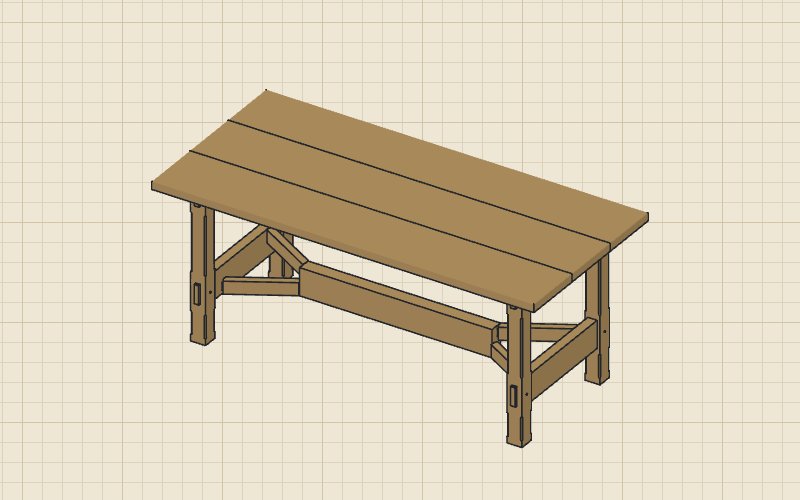
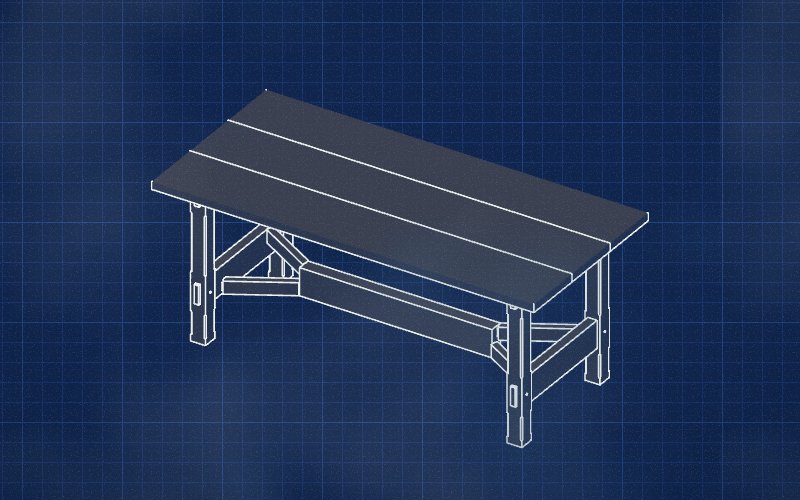
Hayrake Dining Table
70.9 × 33.5 × 29.5 in (1800 × 850 × 750 mm)
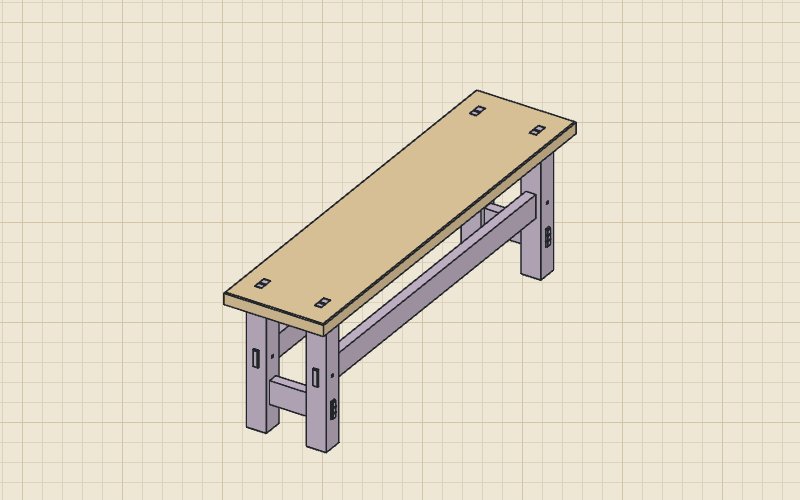
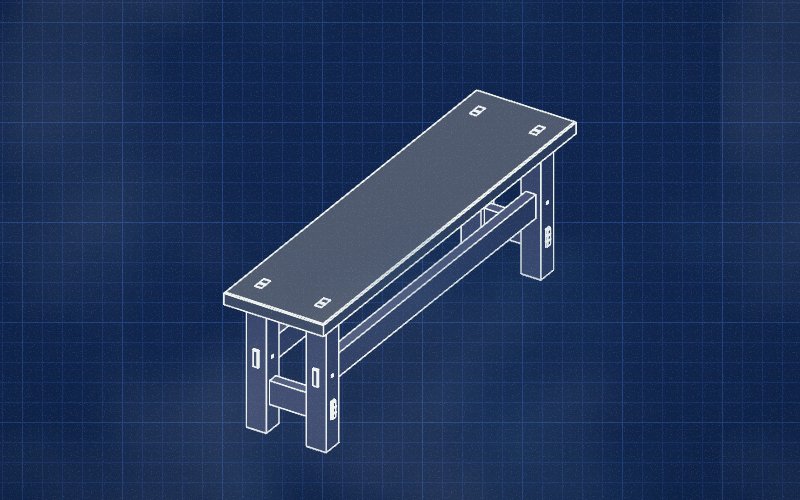
Japanese Bench
11.8 × 47.2 × 16.5 in (300 × 1200 × 420 mm)
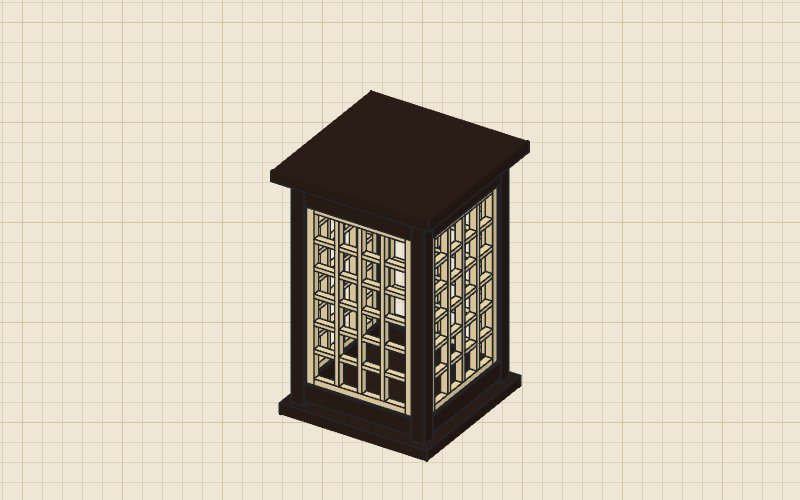
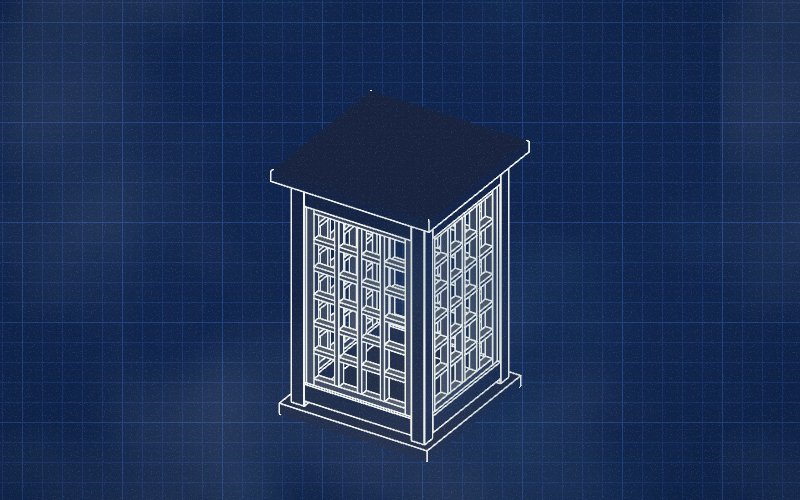
Kumiko Andon Lantern
12.1 × 12.1 × 18.5 in (308 × 308 × 470 mm)
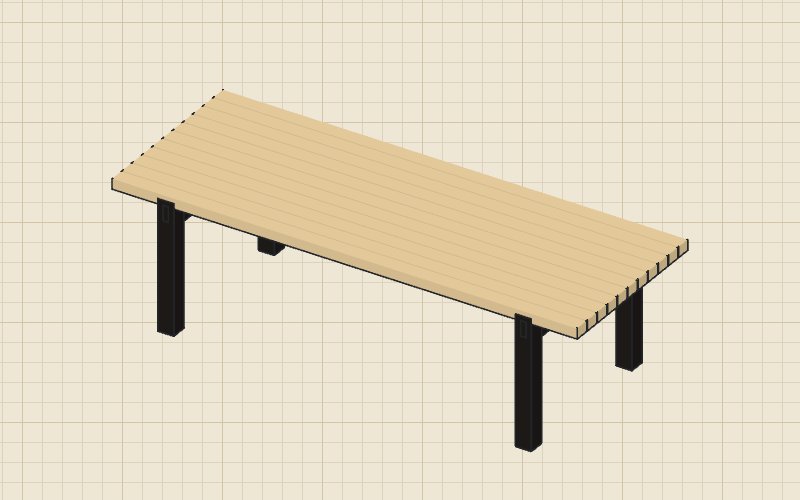
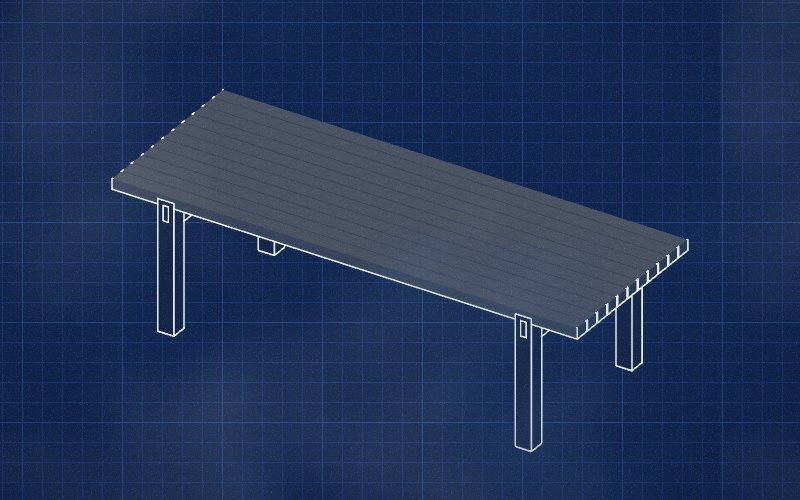
Mid-Century Slat Platform Bench
48.0 × 18.0 × 14.0 in (1219 × 458 × 356 mm)
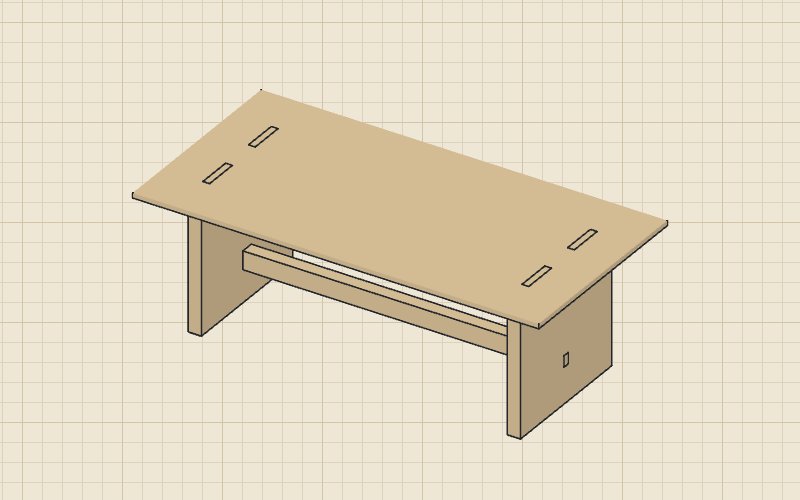
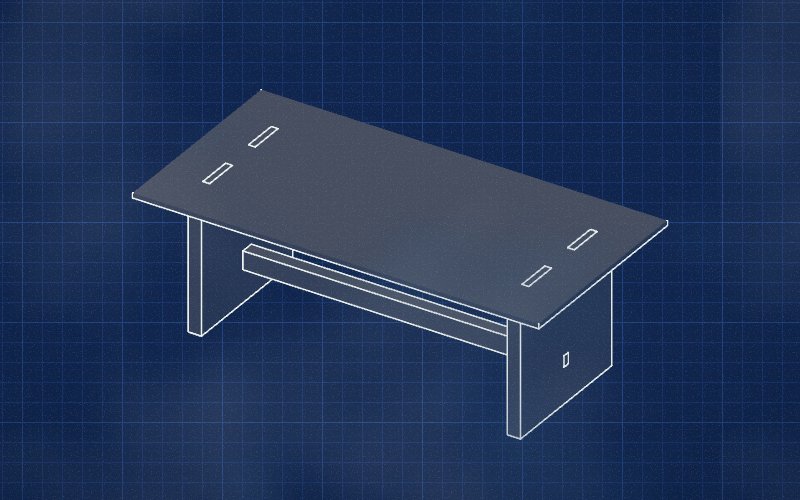
Minimal Slab Low Table
43.3 × 21.7 × 15.0 in (1100 × 550 × 380 mm)
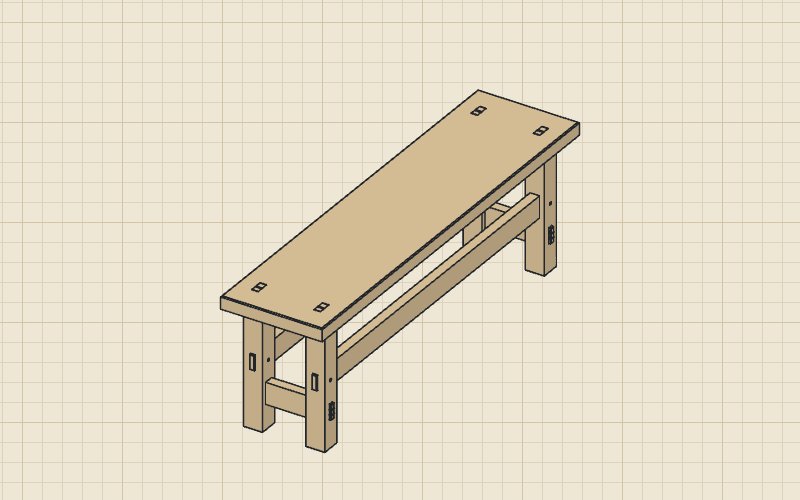
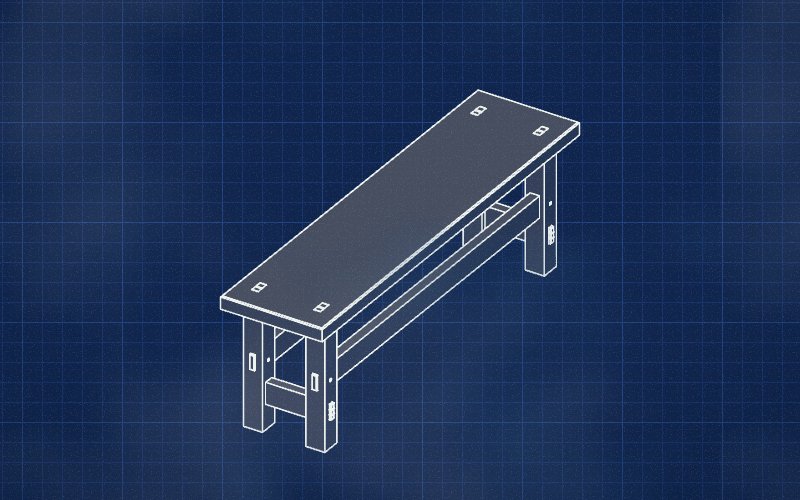
Oak Koshikake Bench
11.8 × 47.2 × 15.7 in (300 × 1200 × 400 mm)
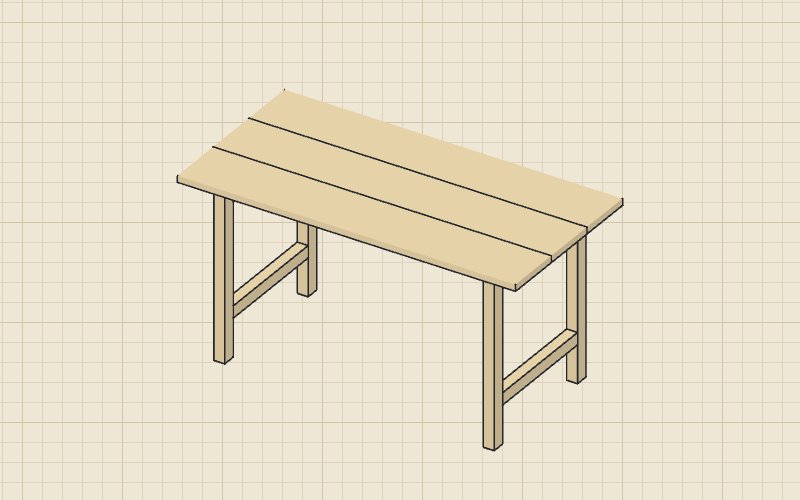
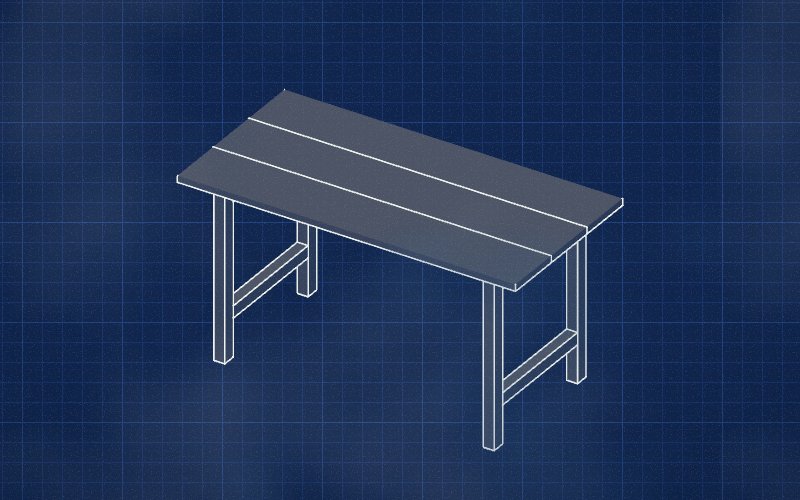
Scandinavian Birch Trestle Desk
55.1 × 27.6 × 29.1 in (1400 × 700 × 740 mm)
Hardware for this style
Hinges, pulls, fasteners and other hardware that guides to this style name.
- Hinges
- Butt hinge
- Pulls and escutcheons
- Bar pull Cup pull (bin pull)
- Tabletop fasteners
- Figure-8 tabletop fastener Tabletop button