

Mission Oak
History
Mission Oak furniture is the American branch of the Arts and Crafts movement, made in factories yet designed to look and feel hand-built. Its most influential American producer, a furniture maker based in a central New York workshop, launched his own oak furniture line in the early 1900s after a trip to England in 1898 exposed him to the reform ideals then circulating there, and within a decade the look he developed — heavy, rectilinear quartersawn white oak, darkened by fuming and left with its joinery on full view — had spread from that workshop across the country.
That maker's own brothers ran a rival firm, and were joined in popularizing the style by another company's founder, a religious community's workshop, and a wide field of imitators, which together turned the style from one maker's design philosophy into a mass-market American look by 1920. A later variant associated with a designer named Harvey Ellis, from around 1903, lightened the forms with taller proportions, arched aprons, and inlays of metal and colored wood, showing that a style built on plain, visible construction still had room for refinement.
Elements
The style reads as massive and horizontal, built from thick square posts that often run unbroken to the floor, with straight lines occasionally relieved by a gentle arch in an apron or a slight taper. Chairs and settles carry vertical slats or wide boards down to the floor beneath flat arms braced on corbels, and the reclining-back armchair is the style's best-known seating form. Tables and case pieces rely on through and keyed tusk tenons, pinned and left visible on stretchers, shelves, and trestles, while one maker's work adds tapered plank sides and geometric cut-outs in squares, spades, and hearts.
Ornament, where it exists at all, comes from the material and the joint rather than applied decoration: quartersawn white oak shows its ray fleck on every face, an effect some makers pursued further by gluing up posts from four mitred quartersawn boards around a core so the fleck appears all around. The oak was typically fumed in ammonia to darken it, then finished with shellac and a dark paste wax, and hand-hammered copper hardware — pulls, escutcheons, strap hinges — supplied the only decorative flourish alongside leather cushions and, on some pieces, inlays of metal and contrasting woods.
Leaders in this style: historical designers and makers whose work inspired it (inspired by, not reproduced):
Designs
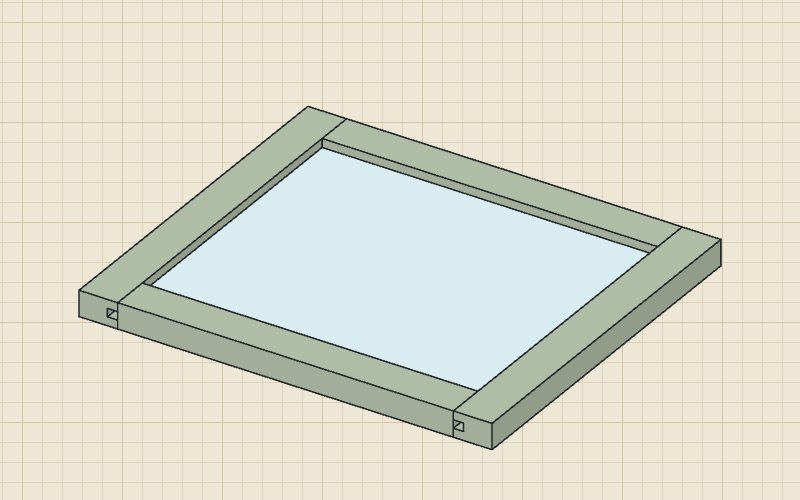
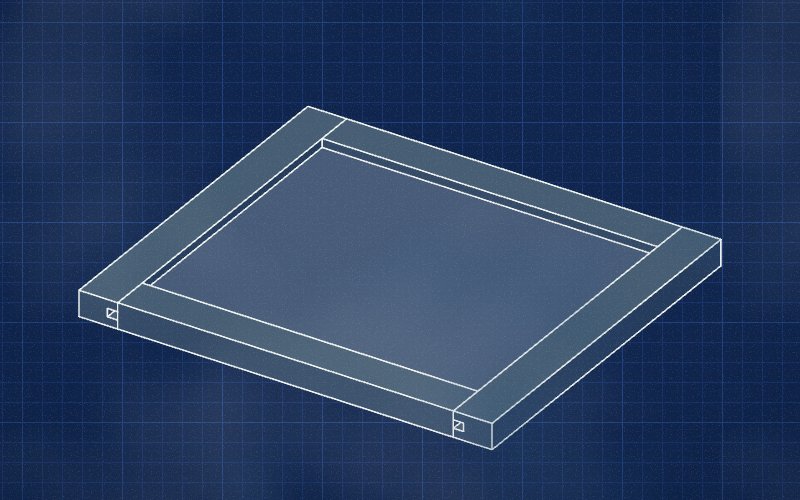
Acrylic Panel Frame
12.6 × 11.0 × 0.8 in (320 × 280 × 20 mm)
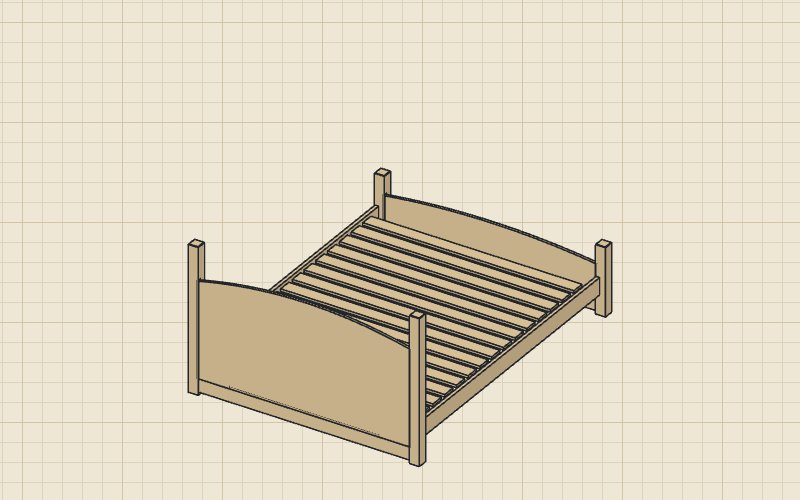
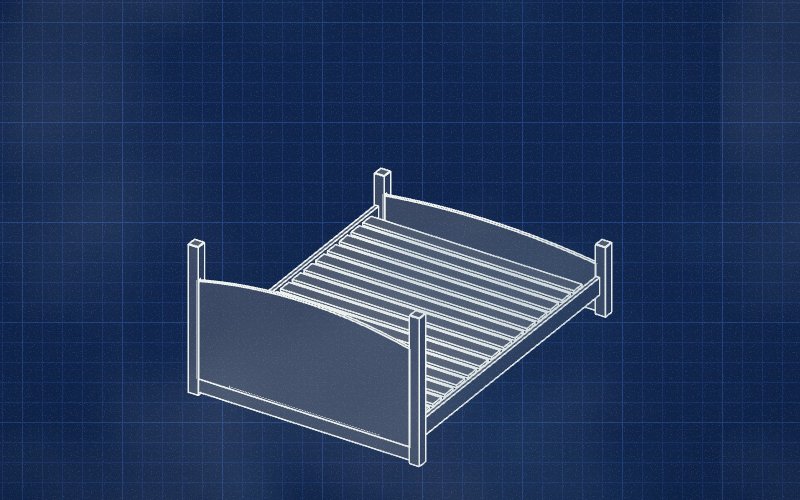
Bed
63.8 × 83.9 × 40.2 in (1620 × 2130 × 1020 mm)
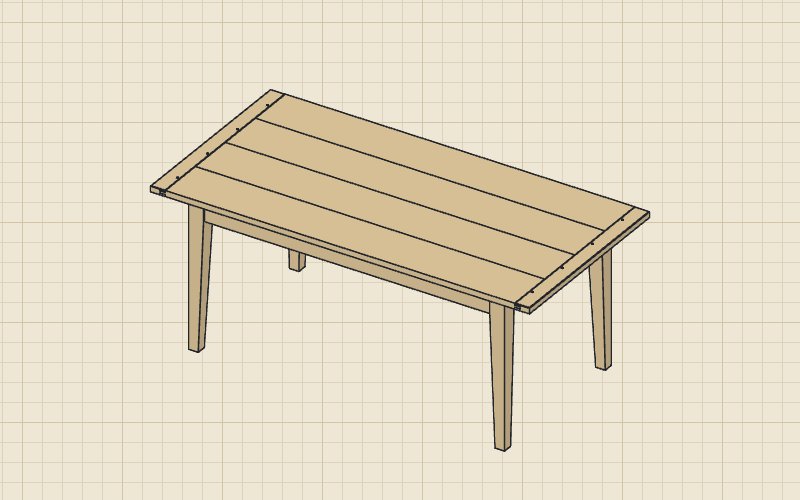
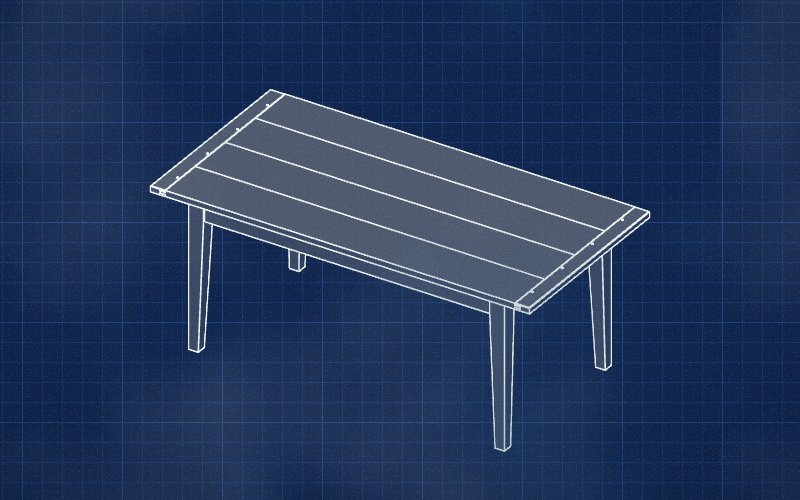
Dining Table for Six
70.9 × 35.4 × 29.1 in (1800 × 900 × 740 mm)
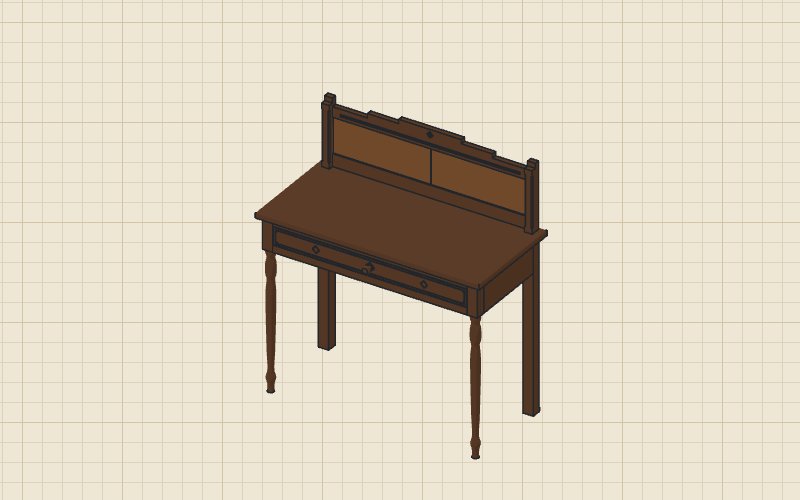
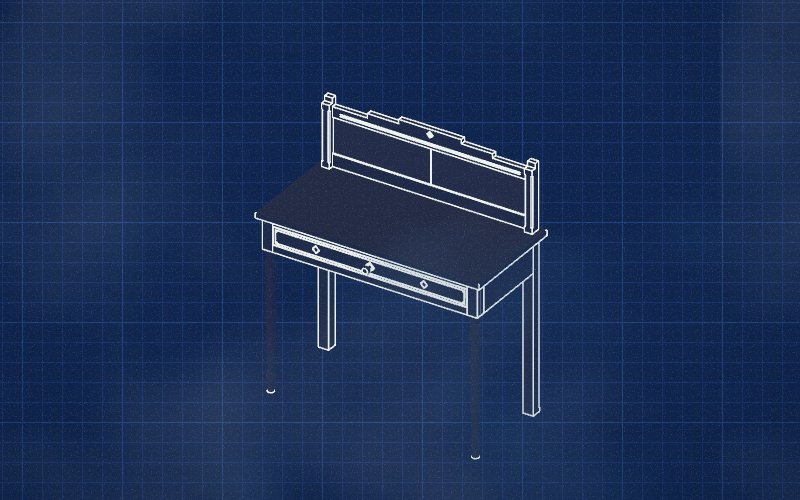
Incised Walnut Washstand
39.4 × 19.5 × 42.9 in (1000 × 496 × 1090 mm)
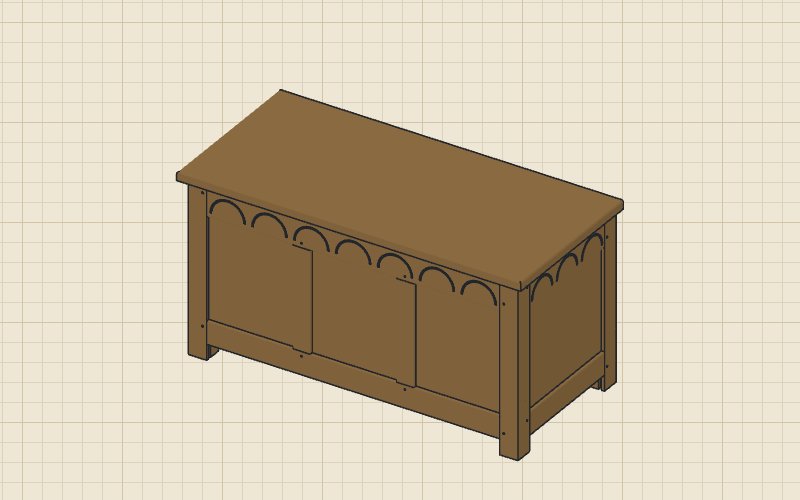
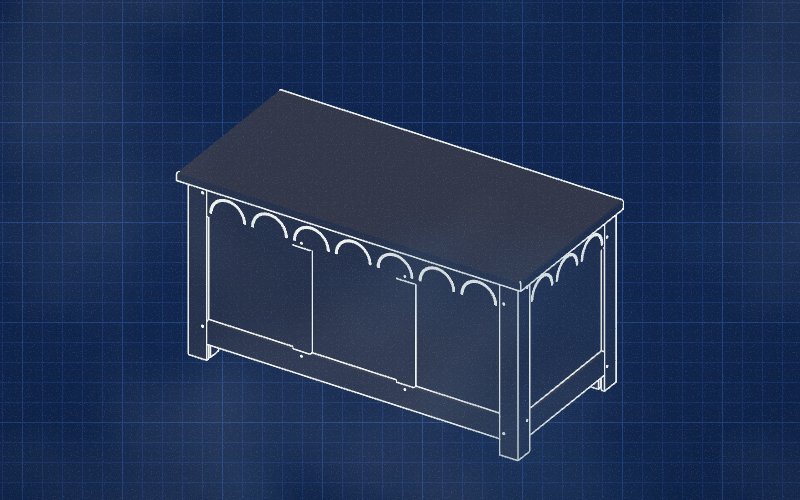
Jacobean Joined Chest
47.2 × 22.2 × 24.8 in (1200 × 565 × 630 mm)
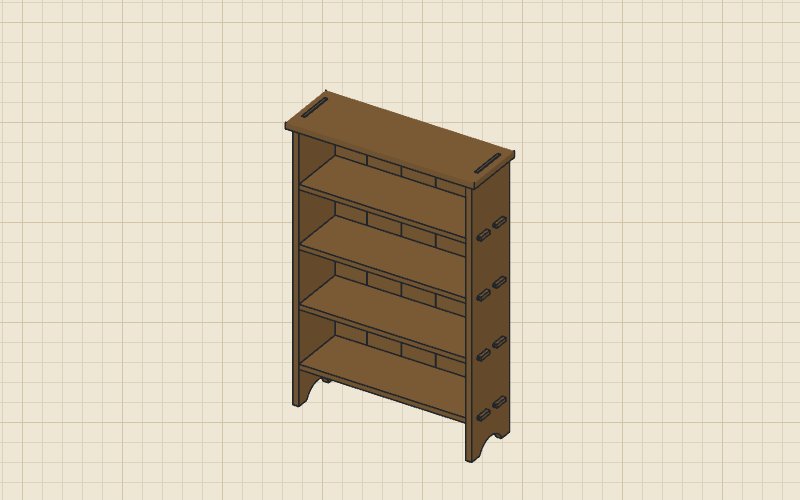
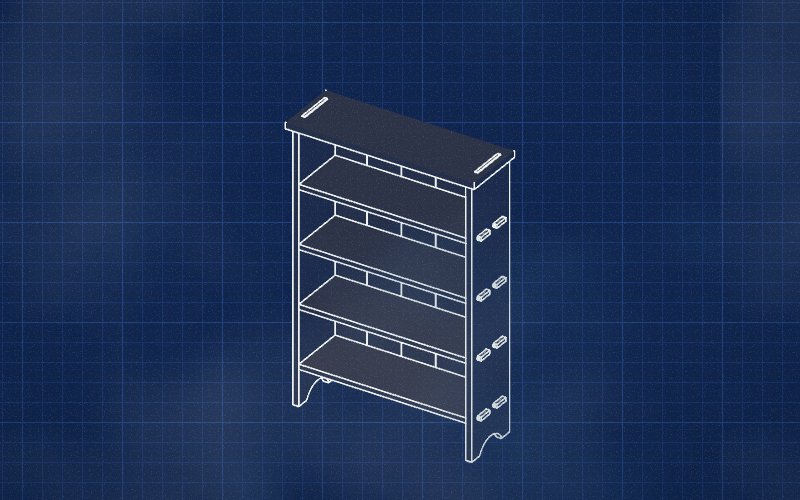
Mission Keyed Bookcase
37.4 × 12.6 × 55.2 in (950 × 320 × 1403 mm)
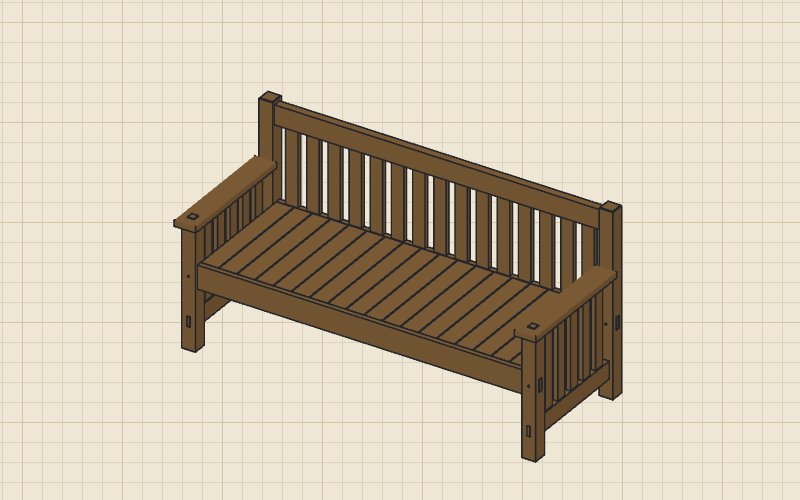
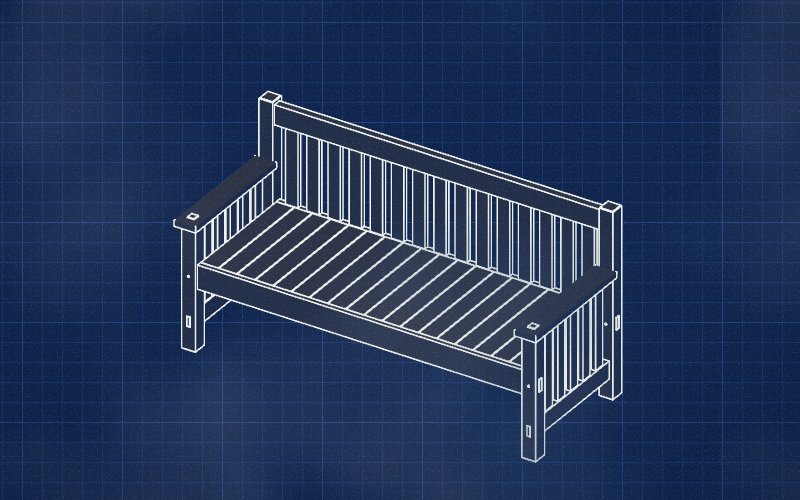
Mission Slatted Settle
72.4 × 28.5 × 37.0 in (1840 × 723 × 940 mm)
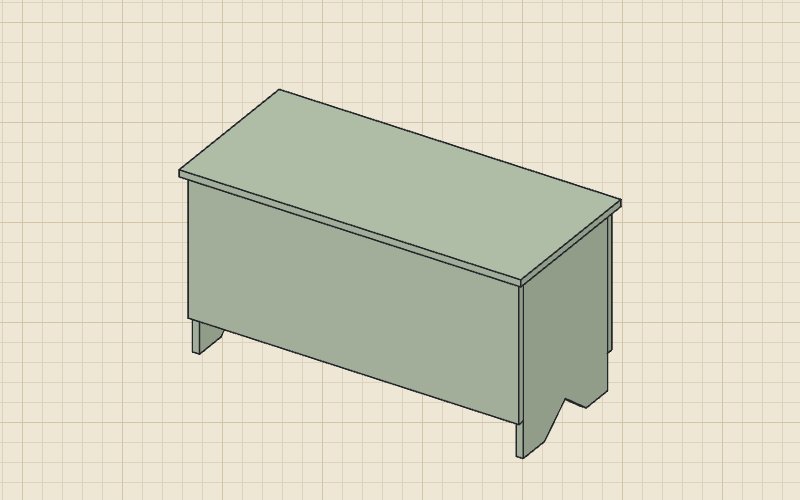
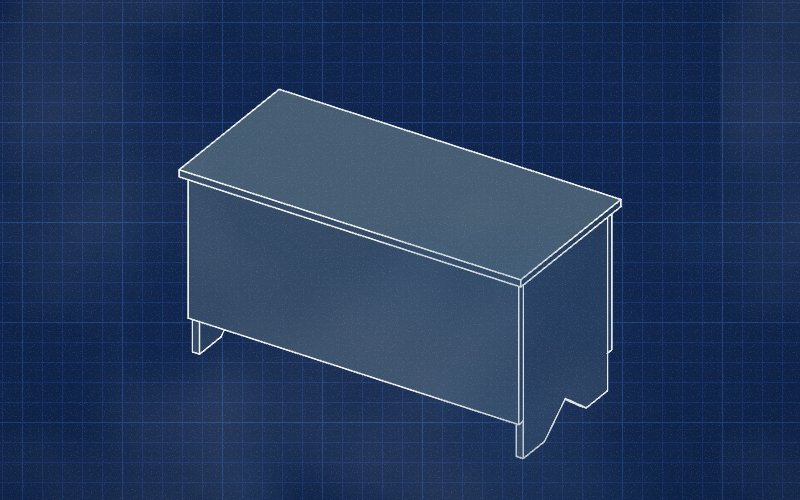
Six-Board Chest
36.6 × 16.9 × 19.6 in (930 × 430 × 499 mm)
Hardware for this style
Hinges, pulls, fasteners and other hardware that guides to this style name.
- Hinges
- Butt hinge Strap hinge
- Drawer slides
- Wooden drawer runner
- Pulls and escutcheons
- Bar pull Cup pull (bin pull) Escutcheon (keyhole plate)
- Tabletop fasteners
- Figure-8 tabletop fastener Tabletop button